
Aldi Store Apprenticeship Interview Questions

According to Bury Times, Aldi has announced the launch of 96 store apprenticeships across Greater Manchester.

Since 2012 Aldi has recruited over 200 apprentices in their head office, distribution centers and stores with a starting salary of, on average, £190 per week rising to £283 following the completion of a 3 year apprenticeship scheme.

Aldi’s apprenticeship website explains the two pathways to access a store apprenticeship:

Career Starter – For applicants with no previous qualifications you can apply for a Level 2 Retailer Apprenticeship which takes around 12-15 months to complete. You will also complete Functional Skills at Level 2 alongside this.

Store Management Apprenticeship  – For applicants that already have their GCSE’s in Maths and English at Grade C or above (or equivalents) you can apply for our Store Management Apprenticeship programme. You will complete both Level 2 Retailer and Level 3 Retail Team Leader which  takes up to 36 months to complete.

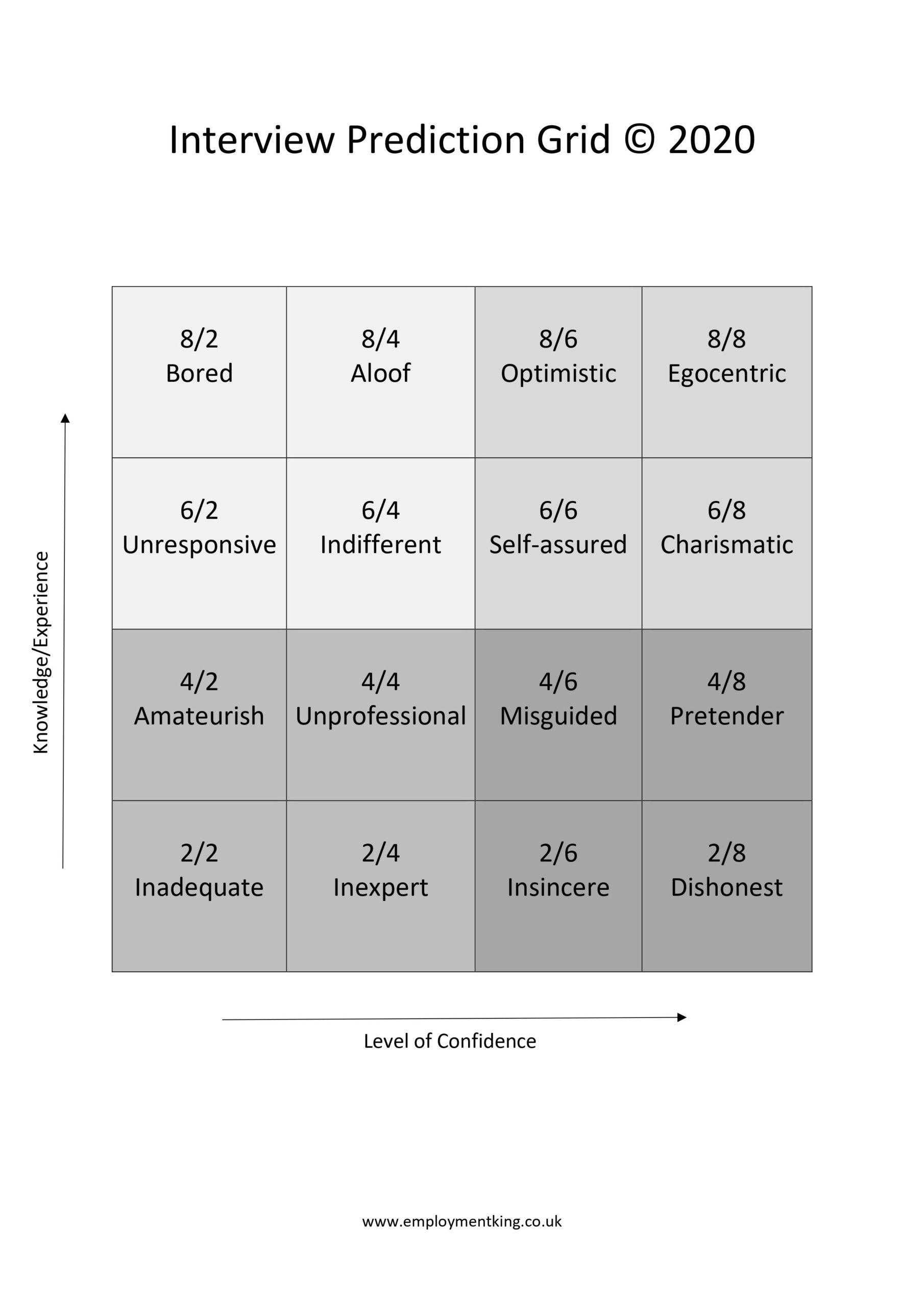
Check your level of perceived experience here: predict the job interview outcome.

Unlike a higher education course, apprentices, to be successful in the recruitment process, are required to pass an apprenticeship interview. This article will give you a list of questions and answers Aldi may ask applicants.

It is also important to remember that during the lockdown, the apprenticeship recruitment process is likely to be an online job interview.

Aldi Apprentice Interview Questions

5 commonly asked retail apprenticeship interview questions:

Tell me what you know about Aldi?

The ‘about us’ question is asked to check if applicants are on the same level as Aldis business plan – to have 1200 UK stores by 2025

What this vision requires to achieve this goal is a diverse workforce made up of hardworking and ambitious staff members.

When answering the ‘about us’ interview question, first state your knowledge of Aldi – one of the UK’s fastest-growing supermarket chains, who recently opened their 900th store. Originally started as a small grocery store in Germany back in 1913. Eventually, Aldi gained a liquor license to overcome the challenges of the great depression and built up customer loyalty by allowing customers to buy now, pay later.

By 1954 their innovation had not stopped, with the very first self-service checkout. Now Aldi has stores worldwide and is always looking at creative ways to build upon the business, such as their apprenticeship scheme.

End the interview answer by stating why you applied for this role:

‘..this is why I applied for the apprenticeship role. Not only do I want a career in retail management, but I also want to work for an innovative company that sets high standards and I believe Aldi will be the go-to supermarket for customers who want quality goods at cheap prices.

Why did you apply for the Aldi apprenticeship scheme?

Aldi recruitment director, Kelly Stokes, said: “Aldi Apprentices are trained and mentored by some of the most experienced people in the retail sector, so all new colleagues receive the best training possible.”

This statement can become the basis of the interview answer ‘I want to be the best retail manager I can, with Aldi apprentices being trained and mentored by highly skilled and experienced sector professionals I want to increase my skill set, knowledge, and experience to ensure I will become a success Aldi manager.’

In addition to stating what you the apprentices want out of the relationship, explain what you can bring to the team:

‘As a (add experience, skill or qualification) gained from (give example) I will (state what you can offer the Aldi family)

Skills required for an apprentice retail manager or store assistant include:

  • Determination
  • Creative problem-solving
  • IT and mathematical skills
  • Target driven
  • Customer service skills

Walk me through what you believe a standard working day will look like?

This question, sometimes worded as ‘give me an overview of the role you are applying for?’ or ‘what do you think your main duties will be?’ is a question to check each applicant’s understanding of the day-to-day task.

The employer here is checking suitability. If you know the job duties and are enthusiastic about them, you are likely to be applying for a suitable job role.

On the other hand, if you dislike some or all of the retail tasks or have no awareness of the essential job duties it is unlikely that you would last long as an apprentice.

To show understanding simple list the job duties in order;

  1. Preparing the store for opening; stacking shelves, stocktaking, cleaning the isles, checking the temperature of the fridges, getting the tills ready
  2. Customer service; operating the tills, assisting customers, re-stocking the shelves, taking deliveries, cleaning up
  3. 3 End of the day; closing the store, checking security, stock-taking, filling up the stores, stock rotation

To stand out during the interview answer, end the answer with what you would most enjoy about this role:

‘Out of all these duties, I am most looking forward to (add duty) as I know this would give me a great deal of job satisfaction.’

Give me an example of great customer service

Aldi value customer service.

When answering this interview question use an example that highlights how you go above and beyond to help a customer.

Also, be enthusiasm and communicate with words that motivate .

At the start of the answer set the scene;

  • where were you?
  • what was the customers problem?
  • who was the customer?

Next, explain what action you took to support the customer to overcome their problem:

  • gave advice
  • source additional support
  • find a creative solution

End the interview answer with positive success:

  • the customer was happy
  • increase in repeat business
  • gave an online review

Are you a team player?

Sometimes, the question is framed as ‘give an example of working within a team?’ or ‘why is teamwork so important in retail?’

No matter how the interview question is worded, the wannabe apprentice has to ensure that the interviewer knows that they excel in team.

Start the answer confidently ‘I’m an excellent team player, in all my previous roles I have had to work within a team.’

Next, show sector awareness by stating how the Aldi team work together:

‘I know that for an Aldi store to be successful all colleagues and departments have to work collectively. As an example, if the warehouse team hasn’t been informed about a well-selling product they are unlikely to have the goods ready to refill the shelves, which could result in a loss in sales, or if the tills are busy and a colleague decides not to help out this could result in poor customer satisfaction.’

End the answer, by expaining the type of ‘team player’ you are:

‘As a team player I always look at the big picture and proactively help colleagues out whenever I can with the goal of ensuring customers are well looked after.’

In addition to the above interview questions, interviewees will also be able to ask the interview panel a set of questions.

Job Interview Advice

What is your approach to problem-solving? Interview Question

One of the most in demand skills in the workplace is problem-solving.

It makes sense then that a ‘problem-solving’ interview will be asked during most job interviews.

The question may be phrased differently, depending on the job sector and advertised position, but all interpretations of the question require a step-by-step explanation of the applicant’s individual approach when faced with a problem.

Different versions of the ‘problem-solving’ question.

  • Tell me about a problem you faced and what you did to overcome this?
  • What is your approach to problem-solving?
  • If X happened what would you do?

In structured job interviews, employers ask either behavioral job interview questions or situational questions.

Behavioral interviews ask for evidence of previous experience – ‘tell me about time you had to overcome an unforeseen problem?’ and situational questions are future-oriented: ‘how would you deal with a problem you haven’t prepared for?’

For both versions of the interveiw questions, the answer needs to meet the criteria on the interview scorecard.

Interviewers, when listening to interviewees’ answers make notes of what each applicant has stated. Post-interview, the interview panel discusses the answers giving each an allocated point depending on how many criteria the applicants have referenced during the job interview.

The highest scoring candidate is offered the job role.

How to create high scoring interview answers.

Employers only know what an applicant stats during the job interview.

Missing information, ambiguous statements or a lack of detail simply won’t make the cut.

Research shows how the delivery of a longer answer, embedded with emotive language, when communicated confidently, increases the allocated points.

The duration of the interview answer alone isn’t enough to score high, what is needed a longer and relevant answer.

How to answer the problem-solving interview question.

There are several ways to answer this question:

  • Listing facts
  • Giving an example
  • Quoting problem-solving models

List building interview answer

The weakest way to answer the problem-solving question is fact listing.

Nervous candidates, such as the amateurish interviewee, often default to fact listing as they struggle to deliver a structured interview answer.

An example of fact listing to the ‘what is your approach to overcoming a problem?’ could be ‘finding the problem, looking at solutions, completing a risk assessment, delegating tasks.’

Overall, the list answer, if delivered correctly, can cover the key elements required for an employer to recognise the applicant’s level of experience, but a list does not score high because high scoring answers require elaboration.

Using examples in the job interview

Real-life examples, on the other hand, often have enough information and detail to gain a high score.

The structure of the example answer is key. A weak example of an answer would sound something like: ‘I worked on X project where (Problem), to overcome this problem we did (A&B)’

The above structure states the problem and actions but is missing the detail to receive additional points; the creative process, the outcome, and any unique selling points.

Example answers should also elicit emotions. The storytelling process of an example answer takes the employer on a journey. Not only does the interviewer visualise the story they go on an emotional rollercoaster, as the interviewee talks about the highs and lows, the ups and downs, of the situation being discussed.

A strong interview structure for example answers

  1. State the problem that required solving
  2. Explain the negative effect the problem would have if it wasn’t solved
  3. Discuss the creative problem-solving process used to find a solution
  4. Detail how the solution was implemented
  5. End with the positive outcome

Embedding models and theories into interview answers

The job interview process, simply put, is to predict the job performance of each applicant. The candidate who is believed to be able to perform the best is offered the job role. Performance prediction is based on the perceived level of industry knowledge and sector experience.

Experience and knowledge can be expressed through the explanation of relevant theories and models, as an example, if asked a ‘problem-solving’ question a candidate can initiative the answer by referring to a relevant model:

‘The 6 step problem-solving model states that to a solve problem you first need to define what the problem is and the root cause, as understanding the root cause, using tools like the fishbone diagram, will help ensure the problem doesn’t repeat itself. Once the problem and cause are clear, the next stage is to develop solutions using mind-mapping, analysing best practice logs and shared experience. After selecting the most suitable solution, the final stags are to implement and then evaluate the success of the solution.’

  1. Define the Problem
  2. Determine the Root Cause(s) of the Problem
  3. Develop Alternative Solutions
  4. Select a Solution
  5. Implement the Solution
  6. Evaluate the Outcome

Breaking down a model into easy to digest steps shows a high level of understanding. To score even high, a real-life example can then be added to the interview answer: ‘…an example of using the 6 steps problem-solving model was when I worked at ….’

Conclusion

Many job interviews will ask a version of the problem-solving interview question. Research has shown that the more detailed description of a problem-solving answer will score higher. Interviewers are also impressed by an applicant’s industry knowledge, including that of the use of relevant sector models and theories.

Don’t presume the employer knows the process you would have taken, as this leads to an applicant missing out on the discussion of relevant data. Instead, give as much detail as possible as this increases the number of job criteria the interviewee will reference when answering the interview question.

Job Interview Advice

Interview Identity 8/6 – Optimistic

Congratulations on completing the Interview Prediction Grid Test (IPG) ©2020.

Below is a breakdown of your Interview Identity

8/6 – Optimistic

optimistic interviewee

8/6 – Optimistic interviewees are qualified career professionals with more than 10 years’ industry experience. They are experts in their field but humble enough not to over-egg their high-level skill set. 

Of all 16 interview identities, the 8/6 – Optimistic is more likely to be consistent with receiving job offers. The employability factor comes down to having specialist skills and knowledge gained over a vast period of time. This duration in the industry is directly linked to their ability to identify the job criteria, and thus their ability to prepare high-scoring answers. 

It is unlikely that 8/6 – Optimistic interviewees won’t have an example or two that reveals how they meet the scoring criteria. Furthermore, they are able to state sector models and theories with ease and give accurate information (as an example: how the global economy impacts their sector) that can be utilised by the employer. 

Impressions are formed based on the applicant’s behaviour, vocal cues and language. As the charming interviewees have a good level of self-esteem, they generally have excellent communication skills. When challenged they are calm, collected, and confident, without being too overbearing. As a self-promoter, they are at ease when discussing competencies creating the impression of intelligence. 

In short, interviewers will be impressed with the 8/6 – Optimistic applicant.

Strengths 

A career professional with the highest level of industry knowledge is destined for a senior- or expert-level position. 

With a wealth of experience, educated to the highest level and often with a natural temperament for the desired role, the optimistic candidate is in demand, often being head-hunted for high paying positions. 

The combination of extensive experience, academic ability and character, means they are able to build upon current industry theories, contributing significantly to the field. Previous successes and lessons learnt throughout their duration in the industry allows the applicant to respond decisively to any challenging interview questions. 

The pre-interview screening process results in high expectations as the halo effect comes into play. This presumption of excellence is reinforced as the applicants consistently referencing their own talents and expertise.

It isn’t just the candidate’s level of self-esteem along with their exceptional level of knowledge that shapes the persona of being optimistic. More importantly it’s their attitude throughout the job interview: answers are positive. Solutions are found. No detail is too small and no problem too big. 

The icing on the cake is the applicants’ ability to reframe any job interview question so their knowledge level is showcased. An example of this is stating less commonly known solutions to familiar interview questions. Imagine a retail employer asking for examples of increasing profits. Common answers relate to price increases or offers. Whereas, the optimist applicant answers strategically, “Decreasing packaging sizes and product content by 1% over a 12-month period has a compound effect on overhead cost.”

Development

Being an expert naturally increases self-worth. Self-worth improves confidence. Confidence increases self-promotion. However, confidence is on a scale meaning that an individual’s self-promotion can vary depending on the person’s mind-set. 

Generally speaking, self-promotion is strong, but the optimists aren’t as influential as their high confident counterparts. The small difference in persuasion can create a differential scoring of a high vs medium confidence level applicant.

For senior positions every point counts. Each applicant will possess expertise resulting in high scores being given across the board. The negligible difference of a ‘3’ or ‘4’ score is in fact significant when points are accumulated. 

Therefore, the admiration held for a charismatic identity could win the day, even though an optimist is liked. This is especially true for senior position recruitment processes, which often include an informal interview. The non-structured interview relies on an instinctual assessment of the candidate. It is often applicants with the highest confidence levels, therefore the most likely to create affinity, that will be viewed as most suitable. 

For senior positions, the interviewer is assessing characteristics as well as competencies. Any thoughts of imposter syndrome and the employer will have concerns over their appointment, especially for high-salaried roles. 

Some interviews are purposely hard, employing cold interview tactics. A lack of confidence at this stage will be to the detriment of the interview outcome. 

At this level applicants would never disclose weaknesses without reframing their experience. Instead, the aim is to highlight value in terms of what the candidate can bring to the organisation. Doubts, misgivings, or a lack of trust is enough to destroy any chances of a job offer. 

Optimists will self-promote, be assertive and influence others, but not at the consistent level of ‘8’ level of confidence applicants. High confident interviewees will use a combination of logic, emotional stories, and intrigue to persuade the interviewer that they, not others, are the best fit for the organisation. 

Advice for the job interview

  • Use self-praise to its fullest extent. Reframe the weaknesses question, so the focus is on lessons learnt rather than mistakes. 
  • Don’t leave the interviewer with any potential doubts. Become emotionally intelligent, read non-verbal cues, and adjust answers accordingly
  • Remain calm with a cold interviewer. Answer slowly and clearly, as this helps to ‘think on your feet’. Avoid feeling rushed and modify answers when required

Research: IPG

Evolve the mind book on Amazon

Interview Identity 8/8 – Egocentric

Congratulations on completing the Interview Prediction Grid Test (IPG) ©2020.

Below is a breakdown of your Interview Identity

8/8 – Egocentric

egocentric interviewee

Possessing the highest level of knowledge/experience and confidence out of all of the sixteen identities doesn’t result in consistent success.

With, on average, more than 10+ years’ industry experience and possessing a specialist skill set, egocentric applicants are in demand. It is an overconfident belief in their own ability (which is likely to be true) which can come across as domineering. 

In fact, 8/8 – Egocentrics truly believe they are more skilled than other interviewees, and often the interviewers themselves. Any opportunity to showcase the expertise will be taken. Self-presentation, though, can end with the applicant arguing over a minor point with the employer. 

On paper egocentric interviewees are the most suitable applicants. Extensive experience working on specialist projects has given them a unique insight that can lead to them contributing significantly to the field. Qualified to the highest level, along with an assertive and professional attitude, they constantly build upon industry theories and models, often leading the way. 

8/8 – Egocentrics, at the extreme, can be narcissistic; they will self-promote which increases a positive job interview outcome, but they won’t back down on a point they have made even when presented with contradictory evidence. In addition, especially for internal positions, the candidates will happily say negative comments about other internal applicants to make themselves look more suitable for the role. 

As alluded to previously, decisions are made emotionally, not logically. If purely a logical decision, the 8/8 – Egocentric career professional would, in most cases, be offered the position. As some interviewers feel threatened by the overbearing 8/8 – Egocentric and/or feel annoyed by their self-centred appearance, the emotional judgment of an interviewer plays a large part in the interview scoring process.

Strengths 

Self-promotion is not only required in the job interview, it is expected. No other ‘interview identity’ candidates consistently discuss their competencies as regularly as the 8/8 – Egocentric. Their self-identity is one of a high achiever, and rightly so, as they have often accumulated a wealth of sector-related knowledge/experience and are thus viewed as an industry expert. 

With strong mental toughness, any negativity from the interviewer washes over the applicants keeping their confidence level consistent throughout the recruitment process. 

Often experienced in diverse roles, they are used to high-pressured situations and can remain calm and even enjoy what others would consider a stressful environment. Cold interview techniques wouldn’t rattle their cage. In fact, the egocentric enjoys the challenge of a tricky interview. 

With such interviewees being highly motivated, assertive, and open to challenges, employers view the candidate as one who could fit in with, or more likely, lead a team to a successful outcome. 

With a high view of self, 8/8 – Egocentric interviewees will make it clear, using self-praise, data sharing, self-promotion, emotional stories, referencing the job criteria, emotional intelligence, that they are the most suitable candidate for the advertised position. 

Interviewers are often charmed by the high competent and confident career professional, viewing them as a specialist who could help the organisation achieve its strategic aims. 

This identity is further helped by the candidates who will willingly state their unique selling points at every opportunity. An example of this would be at an interview start when an employer asks, “Tell me a little about yourself.” Most interviewees give a generic summary of their work experience, whereas the 8/8 – Egocentric candidate will create intrigue with a relevant boast, “Over the last 20 years I have turned underperforming organisations on the brink of bankruptcy into multi-million pound businesses within a short timeframe.”

Development

Initial impressions are important. The employer, knowing of the applicants’ reputation, is influenced by the halo effect. As these applicants utilise all three rules of a successful interview (identifying the job criteria, being a self-promoter and communicating with confidence), they win over even the hardest of interviewers. 

The downside to having excessive self-belief is ‘tunnel vision’. It is the self-absorbed attitude which seeds doubt in the employer’s mind. Their inflated view of their own self-importance distances them from the interviewer. 

Disagreements with an expert interviewer can be common even when contradictory evidence has been presented. If egocentrics don’t get their own way, they can take on an aggressive tone. 

Candidates need to learn to let-go. And to recognise that the interviewer may also be an industry expert and sector specialist. It is important in a job interview to listen to employers to understand their frame of reference. Emotional intelligence is key. With this insight a better-worded reply can be given that helps rebuild rapport. 

Even when the applicant is more experienced than the interviewer, and often the 8/8 – Egocentric candidate has a rare talent that the employer does not possess, behaviour needs to be amended. Egocentrics will often talk down to people they view as low status.

Advice for the job interview

  • Don’t dismiss an expert interviewer’s opinion if it doesn’t adhere to your own experiences. Instead debate, and communicate, various viewpoints to be seen as an authority 
  • Give the employer attention. Don’t get lost in your own self-importance, instead make the interviewer feel important as this increases rapport
  • Adjust communication to keep rapport strong. If any disagreements happen, let them go. Be assertive but professional 

Research: IPG

Evolve the mind book on Amazon

Interview Identity 2/2 – Inadequate

Congratulations on completing the Interview Prediction Grid Test (IPG) ©2020.

Below is a breakdown of your Interview Identity

2/2 – Inadequate

Inadequate interviewee

As the lowest score on the IPG, it is highly unlikely that a 2/2 – Inadequate interviewee, coming across as lacking the required criteria (competence and confidence) – will be offered a paid position.

In fact, many voluntary interviewers, unless they feel they have resources to support a 2/2 – Inadequate applicant, will also refuse an offer of unpaid employment. 

The employer, due to a lack of rapport, will stop looking for potential and instead will be hoping to terminate the interview at the earliest stage.

Strengths

The 2/2 – Inadequate applicant is in essence a blank piece of paper, from which a masterpiece can be created. By showing willingness, the candidate can be seen as someone who can be moulded by an organisation. 

For voluntary positions, many employers are keen to support applicants who may struggle to gain paid work allowing this natural ‘vulnerability’ to become an asset, but opportunities like this can be rare.

Development

Confidence can be improved significantly within a very short timeframe. As an example, research shows how standing in a confident stance improves internal confidence levels. 

Employers recruiting for low skilled voluntary roles value work ethic and personal qualities more than academic ability. By improving employability skills: communication, teamwork, problem solving, customer service, the applicant’s level of confidence will also increase. 

Gaining experience to improve soft, key skills would be useful. Work experience as part of an educational course can assist with this. All experiences can be used to showcase a wider range of skills and qualities. An example of this could be helping out at a village fair selling raffle tickets to develop customer service skills. 

Attending educational courses, not only improves the perceived ‘interview identity’ as the applicant’s level of knowledge increases, it also builds confidence as self-worth develops within the applicant.

Advice for the job interview

  • Focus interview answers on personal skills, qualities and strengths. Use personal stories to increase the length of the interview answer
  • Show willingness and make reference to a positive work ethic, allowing an employer to see what you can bring to the team
  • Utilise pauses as this breaks up the delivery of the answer and allows you to take deep, calming breaths to reduce interview anxiety 

Research: IPG

Evolve the mind book on Amazon

Interview Identity 6/6 – Self-Assured

Congratulations on completing the Interview Prediction Grid Test (IPG) ©2020.

Below is a breakdown of your Interview Identity

6/6 – Self-Assured

Just about all 6/6 – Self-assured applicants will easily build rapport with a job interviewer as their medium confidence level and knowledge/experience is expressed with industry-related anecdotes and detailed examples. 

Being medium in both knowledge/experience and level of confidence, 6/6 – Self-assured individuals are aware of their own abilities and express them well. 

Within the high/high segment, 6/6 – Self-assured applicants are the lowest scoring in the quadrant. This does not mean they will be unsuccessful against other high/high interviewees, as some applicants with an 8-level of confidence can overplay their hand. But the reality is that 6/6 – Self-assured career professionals are often at the beginning of their senior-level career, applying for roles against other, more experienced, high/high applicants.

Strengths

Being confident, but not overbearing increases likeability. The interviewer’s opinion of 6/6 – Self-assured applicants improves when they talk with authority on subjects relevant to the job criteria. 

Descriptions of past experiences are delivered conversationally while remaining focused on the interviewer’s question. Each answer sounds simple, but underlying the strengths of these replies is a structure designed to explain the situational problem the applicant faced, the steps taken to overcome the barrier and the positive outcome that was the result of their well-planned actions. In short, answers are filled with self-praise. 

The pace, tonality and non-verbal communication is relaxed and welcoming, disarming a cold interviewer. This is especially true when explaining past experiences and well used sector models. 

Industry-related knowledge has been gained from working in the sector over a long duration. Often these career professionals have worked their way up from low-skilled positions giving the applicant an insight into the workings of an organisation from different viewpoints. When applying for managerial roles, this level of knowledge can be invaluable. 

Other 6/6 – Self-assured applicants with less industry experience are likely to have Level 7 qualifications, arming them with an in-depth knowledge of sector related theories and models. Either way, possessing a medium level of knowledge/experience complements their competent delivery style, putting an employer at ease.

Development 

Applying for medium-skilled roles, the 6/6 – Self-assured applicant is in a strong position, as the other three interview identities from the high/high segment are likely to only apply for highly skilled roles. 

In preparation for highly skilled positions, where competition is at its highest, the self-assured applicant needs to take steps to be viewed as more suitable than other high/high applicants. 

An easy solution to improve the level of knowledge/experience is to gain professional industry qualifications (as an example an engineer can become chartered) or for Level 6 qualified applicants to gain a Level 7-8 qualification. What is important is to gain the required qualifications or knowledge by completing CPD (continued professional development) qualifications relevant to the position being applied for. 

For high level positions, employers are often looking for an applicant who is an authority on a subject. It is the positioning of this authority within the job interview that can be the difference between receiving the job offer or not. Successful career professionals as well as showcasing their expertise, make it relevant to each organisation they are applying to work for. 

Confidence is at the top end of the sufficient level due to the level of knowledge/experience, but when interviewed by an expert interviewer who is determined to test every interviewees’ competencies, cracks can form in the applicants’ composure. 

Being able to debate a subject well isn’t the same as having the ability to persuade another person to take on your ideas, as an ‘8’ confident applicant would be able to do. 

To beat other high/high candidates the 6/6 – Self-assured applicant needs to first understand that competitive applicants may be more persuasive or simply have the required expertise needed by the employer. 

The skill of influence comes from being adept at emotional intelligence, knowing, through the interviewer’s verbal and non-verbal cues, how each interview answer is being received and amending answers as required. Skilled manipulators are able to hear the motivational preferences of an interviewer and change their own language, behaviour and word choice to frame each answer, so it resonates with each interviewer.

Advice for the job interview

  • Explain industry theories with authority. When giving a suggestion, do so with conviction. Interviewers respond well to assertive individuals 
  • Share opposing viewpoints when discussing sector models. Not only does disputing well-known frameworks show confidence, it gives the employer an insight into your understanding of industry-related processes and problems
  • Use academic language, acronyms and jargon when appropriate. Utilise storytelling and forecast data from the solutions you would implement once employed

Research: IPG

Evolve the mind book on Amazon

Interview Identity 8/4 – Aloof

Congratulations on completing the Interview Prediction Grid Test (IPG) ©2020.

Below is a breakdown of your Interview Identity

8/4 – Aloof

aloof interviewee

A distant and stand-offish interviewee created through a high knowledge/experience and sufficient confidence level, is a concern to employers looking to recruit a highly skilled employee to join a team of experts. 

The 8/4 – Aloof applicant, the highest scorer in the high/low segment, is often looking to move from a medium level position to high level role (or a high-salaried role). For highly paid vacancies, the interviewer is most likely an industry expert possessing high levels of confidence in his/her own ability. 

Much research shows that interviewees will receive more job offers when the interviewer finds commonality with the applicant. If the candidate, being interviewed by a confident interviewer, lacks confidence, rapport will be broken. 

Employers often search for a new team member that will fit-in with the team dynamics and the company culture. Anyone who sits outside of this image, the aloof applicant, can be viewed as potentially harmful. If an unapproachable, unresponsive and unhelpful applicant is allowed to join a current group of motivated employees, the influence could be highly disruptive. 

Such 8/4 – Aloof applicants, because they possess a sufficient level of confidence, can give enough detail in an interview answer, allowing the employer to be aware of their high level of knowledge/experience. Detailed answers, delivered confidently, increase likeability and change the perception of how the candidate is viewed as a team member. 

If the majority of answers lack specifics due to a nervous delivery style, and most do, a sense of distance between the applicant and interviewer will be created. 

The employer initially will put the lack of detailed answers down to interview anxiety. When applying for highly paid medium positions, organisations are expecting applicants to have the communication skills, and confidence, to be able to express themselves clearly.

Strengths 

A vast amount of knowledge and experience, often being an expert within an industry sub-niche, along with a unique set of industry related skills and experiences increase the likelihood of gaining employment. 

When confident about a particular topic, relevant to their expertise, answers are clear, well-structured and descriptive enough for an employer to see the value in having such candidates as part of their team. 

In addition, their long duration in the job sector enables them to identify the job criteria offering the employer relevant answers and an insight into their impressive range of knowledge and skills. 

Many ‘8’ knowledge/experience candidates will be an expert in a sector sub-niche, creating authority within the job interview. If the expertise is presented prior to the job interview, in the application process, the halo effect will be in play. 

The expertise of an aloof applicant is rare and therefore highly valuable. Even when an employer has concerns over a candidate’s persona, the thought of a competitor gaining an industry advantage by utilising the applicant’s wealth of experience and talent can result in a job offer. 

Development

One of the unknown factors within the interview process is the level of knowledge/experience and confidence of the competition. 

Lately, the number of career professionals returning to education to gain post-grad qualifications has increased. In a global marketplace, employers are seeing the financial advantage of encouraging and even funding staff members to gain professional industry qualifications (i.e. a chartered engineer). The result of this is an increase in applicants ranking high on the level of knowledge/experience axes. 

In addition, the job market is in constant flux due to the fast pace of technology and globalisation, with career professionals working in job roles that weren’t available only a few years previously. At a technical level, applicants for these new roles are on a level playing field. 

Possessing a specialist skill or knowledge is still highly sought after but cannot alone be relied on. Expert applicants still need to follow rule 3 of a successful interview – confident communication. 

The 8/4 – Aloof applicant can close down when challenged or asked unexpected questions. In addition, if interrupted by an interviewer, the candidates’ concentration can be disturbed, often ruining the flow of their answers, putting them at a disadvantage. 

Even as an expert, the candidate will hesitate, stutter, and use excessive filler words when discussing a complex idea, reducing the perceived level of knowledge/experience. 

The perceived level of knowledge/experience is also damaged by the fact that 8/4 – Aloof applicants do not actively self-promote believing that their experience speaks for itself. Whereas other ‘interview identities’ will make it clear that the actions they took made a project a success, the aloof applicant will talk about the team’s achievement and may even self-disclose their own weaknesses and mistakes. 

Specific self-praise and bragging is required when facing competition from other, more confident, industry specialists. 

Advice for the job interview

  • Make a point of referencing, in detail, the actions you took to achieve the outcome being described in the answer. Be a self-promoter, praise yourself and brag! 
  • In the main, mention three criteria per interview answers as this will increase the allocated marks per question
  • Take deeper breaths (rather than short shallow breaths) to reduce the flight-or-fight mode created by the sympathetic nervous system

Research: IPG

Evolve the mind book on Amazon

Interview Identity 8/2 – Bored

Congratulations on completing the Interview Prediction Grid Test (IPG) ©2020.

Below is a breakdown of your Interview Identity

8/2 – Bored

bored interviewee

Interviewers can sense when an applicant has high levels of knowledge/experience (in this case the highest level of K/E within the high/low segment) as sector terminology, industry references, and specific details stated by the applicant give unconscious clues to the interview panel. But the low level of confidence for 8/2 – Bored interviewees can come across as they aren’t interested in the position, even though they are. 

This perceived lack of interest kills the likability factor which will influence the job interview outcome. It is often the monotone voice, with an unchanging pitch, and/or the short snappy answers which shapes this negative illusion. It is rare for employers to recruit such an employee for a medium level position, as they believe that anyone who is bored in a job interview will surely be bored once employed. 

Many employers will recognise that the interviewee is anxious and will support the applicant throughout the interview, requesting more details and/or examples. If the nervous applicants fail to state the required criteria for the job role, the interviewer has little choice but to mark them low on the interview scorecard.

Strengths

Career professionals with an ‘8’ level of knowledge and experience are highly employable, as they possess a skill set that far surpasses that of what is required on most job adverts. 

Often qualified to at least a master’s level and/or having over 10 years’ industry-related experience, their knowledge base far exceeds other applicants. In fact, their industry insights can be at a level where they can build on proven sector models and theories, adding to the field. 

Such applicants’ temperaments will often suit their chosen career path: a creative mind for innovative industries or analytical brain for mathematical roles. This mixture of personality, knowledge and experience creates a most suitable, and often passionate, career professional who can deal with unforeseen sector-related problems with ease.

At their best ‘8’ knowledge/experience employees can redesign systems and processes and/or think of innovative ways to improve results never before thought of by colleagues working in the same industry. They also possess the insight to take ideas and technology from other sectors and make it relevant to their own.

Development 

Having a wealth of related knowledge isn’t always enough to secure job offers, even when their reputation has created a pre-interview halo effect. What is also required is the third rule of a successful interview – communicate with confidence. 

Positive slippage (i.e. the use of industry acronyms, referencing industry theories) creates a positive generalisation, “They must be an authority on the subject.” The long duration working within the sector should showcase competencies. Employers, seeing the potential value of an applicant, become interested, which is a short step away from desire. However, a weak communication style discourages intrigue. 

Intrigue and excitement are created through the use of stories, vocal variety and through non-verbal communication. It is the poor communication style, even when an employer is aware of the applicant’s high level of knowledge/experience, that leads to the perception of the applicant as being bored.

Hesitations, excessive filler words and short snappy sentences, as well as a lack of assertiveness, decrease likeability. Even when questions are asked, that are directly relevant to the applicant’s knowledge/experience, a lack of self-belief in one’s own abilities results in an overuse of negative self-disclosure, reducing the perceived level of suitability. 

A cold interviewer has a powerful negative effect on an 8/2 – Bored interviewee. Applicants believe the cold behaviour of the interviewer is down to their lack of skill and confidence (imposter syndrome), increasing their anxiety. To overcome this barrier, candidates need to externalise the interviewer’s behaviour, putting it down to their communication style and character rather than believing the interviewer’s actions are a result of the applicant’s own performance.

Advice for the job interview 

  • Acknowledge that you are likely to be the most knowledgeable person in the room on your chosen expertise. This self-awareness of ability increases confidence
  • When answering technical questions, state the potential negative outcome to the problem you are discussing, and the steps you took to achieve the desired solution required to solve the issue. The ‘problem-action-outcome’ structure increases the length of the interview answer, improving the number of criteria the employer can score you on
  • Change tonality, volume, and speed to keep the employer engaged and listening. The more interviewers register, the more likely they are to give a higher score

Research: IPG

Evolve the mind book on Amazon

Interview Identity 6/4 – Indifferent

Congratulations on completing the Interview Prediction Grid Test (IPG) ©2020.

Below is a breakdown of your Interview Identity

6/4 – Indifferent

indifferent interviewee

Possessing a medium level of knowledge/experience make applicants more employable as the candidate will possess a wealth of industry experience. During the job interview, they are able to identify the required criteria for the desired position, therefore give suitable high-scoring answers.

A sufficient level of confidence allows some good answers to come through, highlighting the applicant’s knowledge/experience, but this level of quality answer is sporadic. 

The result of the sporadic level of quality answers, some detailed and others lacking substance, comes across as if the applicant aren’t interested in the position for which they are applying. The 6/4 – Indifferent applicant can have success if the good answers are for the key criteria interview questions. 

Those 6/4 – Indifferent interviewees often perform well when all the interview questions relate easily to their direct experience. When questions are framed outside of their area of expertise, or when challenged on a technical point, the applicant will struggle to reply confidently which affects the employer’s perspective of their employability value.

Strengths

Being confident enough to share experiences as part of an interview answer helps to showcase the medium level of industry knowledge/experience. 

The knowledge level comes across as strong when applicants discuss, in detail, the sector models and theories they utilise during business as usual tasks. In fact, if all questions, and therefore the essential job criteria, relate directly to the applicants’ experience, they are likely to be offered the position. 

As highly accomplished workers with up to 10 years’ industry experience, they would have previously dealt with many unforeseen situations, giving them a diverse level of skills that can be utilised within a variety of sector roles. 

The pre-interview impression, the halo effect, is often strong especially for applicants who have gained a wide range of skills over an extensive career history. The positive impression created can positively influence the post-interview scoring process.

Development 

Familiar subjects may be easy to discuss, highlighting the applicant’s unique selling point, but the sufficient level of confidence increases the amount of unpromoted self-disclosure of weaknesses. It is the constant referencing of weaknesses that decreases the final overall interview score.

Likeability comes from an employer’s initial assessment of the applicant’s interpersonal skills, as well as their perceived intelligence. If an applicant is nervous at the interview start, creating a weak assessment, rapport can be low creating an uncomfortable interview. 

Low self-esteem can also increase awkwardness during silences when the interviewer is making notes. Interruptions or random comments, irrelevant to the job interview, can be annoying or at worst can weaken the perceived character of the applicant.

Learning the skill of only stating important facts relevant to the job criteria improves the perceived level of confidence and competence. The rule of ‘less is more’, in the case of self-disclosure weakness and interruptions, can remove negative associations that come from verbal diarrhoea.

Advice for the job interview 

  • Start the majority of interview answers with a confirmation statement, “Yes, I am very experienced in …” Confirmation statements increase the perception of confidence and decrease the use of filler words during the start of an answer
  • Imagine that you have to explain business-as-usual tasks to a new employee, not an interviewer. This will result in an in-depth step-by-step answer referencing all the required criteria 
  • End the interview answer expecting a silence. Once ended, look up at the interviewer and wait for the response, which helps to switch the power balance

Research: IPG

Evolve the mind book on Amazon

Interview Identity 6/2 – Unresponsive

Congratulations on completing the Interview Prediction Grid Test (IPG) ©2020.

Below is a breakdown of your Interview Identity

6/2 – Unresponsive

Unresponsive interviewee

The lack of confidence of 6/2 – Unresponsive interviewees outweighs their medium level of knowledge/experience, leading to short snappy answers that lack detail. 

Some employers will encourage the interviewee throughout the question and answer process. Even hinting that they require more information, but the anxiety of a job interview can result in a poor performance that will make the interviewer remember the applicants for the wrong reasons, “We gave them every chance to answer the interview questions.” 

Many interviewers will create a bias at the interview start based on the candidate’s obvious nervousness that will influence the hiring decision. It is the 6/2 – Unresponsive interviewees’ consistent lack of good answers that results in regular job rejections. 

Against other highly confident applicants, 6/2 – Unresponsive interviewees will often fail unless they possess a unique desirable skill that they can express during the job interview. It is the lack of confidence that results in the 6/2 – Unresponsive sometimes working in positions below their level of knowledge/experience.

Strengths

Possessing at least a degree-level qualification and/or having worked in the sector for a high number of years, often in different roles gaining a diverse skill set, the highly accomplished applicant will easily meet the required criteria for medium-skilled positions. 

With a working knowledge of sector theories and models, plus, in many instances, actual experience of implementing processes into business as usual tasks, the 6/2 – Unresponsive applicant can be highly suitable for the advertised role. In addition, some highly skilled and experienced applicants can show their competencies by sharing examples of how they handled situations that could have resulted negatively for an organisation. 

When feeling confident, which is rare, or when a question relates to a subject they are passionate about, this wealth of experience can be expressed through detailed examples.

The expertise gained through many years working within the sector often results in applicants applying for managerial or specialist roles – a position they should excel in.

Development 

A career professional with a low level of confidence will often suffer from imposter syndrome. A lack of self-belief and self-worth is the applicant’s biggest barrier. A negative opinion of self comes across in the weak answers given to technical questions. Not only does a weak answer minimise the perceived level of knowledge and experience, it also reduces likeability. 

Even with evidence: the duration in a job sector, possessing a higher education qualification and/or industry-related successes, 6/2 – Unresponsive candidates feel inadequate for the role they are applying for. This results in a lack of self-promotion. 

Imposter syndrome is a belief. Beliefs can be challenged. Challenging a belief creates change. It is the negative generalisations that applicants tell themselves which build upon their limiting belief. By picking holes in the generalisation, the belief can be removed. An example of this would be an applicant asking, “What does good enough mean?” to the limiting belief, “I’m not good enough.” Or, “What skill do I excel in?” to the belief, “Everyone is better than me.” 

Self-deprecation will evolve into self-esteem when applicants become aware of and believe in their skill set. Collating evidence can be completed through a self-evaluation, 360-degree feedback, appraisals, and the reviewing of successful projects. Positive common themes, gained from various sources, become the new frame of reference. 

Advice for the job interview 

  • Drink water between interview questions to stop the negative effects of a dry mouth. The duration of the water intake can be used to think of details for the forthcoming answer 
  • When answering questions, imagine telling a story – a story requires a beginning, middle and end, which results in a higher word per answer ratio, helping to naturally discuss the job criteria 
  • Purposely use varied language, singular and plural pronouns, power words and language that elicits a positive emotional response, to increase likeability

Research: IPG

Evolve the mind book on Amazon