
Typical Job Interview Questions and Strong Example Answers for a Care Assistant

The UK labour market for care assistants is an important and growing sector due to the increasing demand for elderly care – people are living for longer so they require more care workers, and support for people with disabilities or long-term health conditions.

Demand for Care Assistants

  • The demand for care assistants has been consistently rising, particularly due to the aging population and the government’s focus on social care.
  • The UK has a large number of elderly people, with many needing assistance for daily activities, such as personal care, mobility support, and companionship. This is expected to increase as life expectancy rises.
  • Care assistants are employed in various settings, including residential care homes, nursing homes, domiciliary care (home care), hospitals, and supported living environments.

Entry Requirements – Skills and Qualifications

  • Basic qualifications: While no formal qualification is required for entry-level roles, employers often expect candidates to have GCSEs in English and Maths.
  • NVQs and Diplomas: Many care assistants complete vocational qualifications and/or apprenticeships, such as the Level 2 or 3 Diploma in Health and Social Care, which help increase employability.
  • Experience: Previous experience in a care role or similar settings can be very beneficial. Some people start as home care workers or volunteers before becoming full-time care assistants.
  • Specialised skills: There is a demand for care assistants with experience in dementia care, palliative care, or working with individuals with learning disabilities or mental health challenges. These specialised roles often come with a higher salary

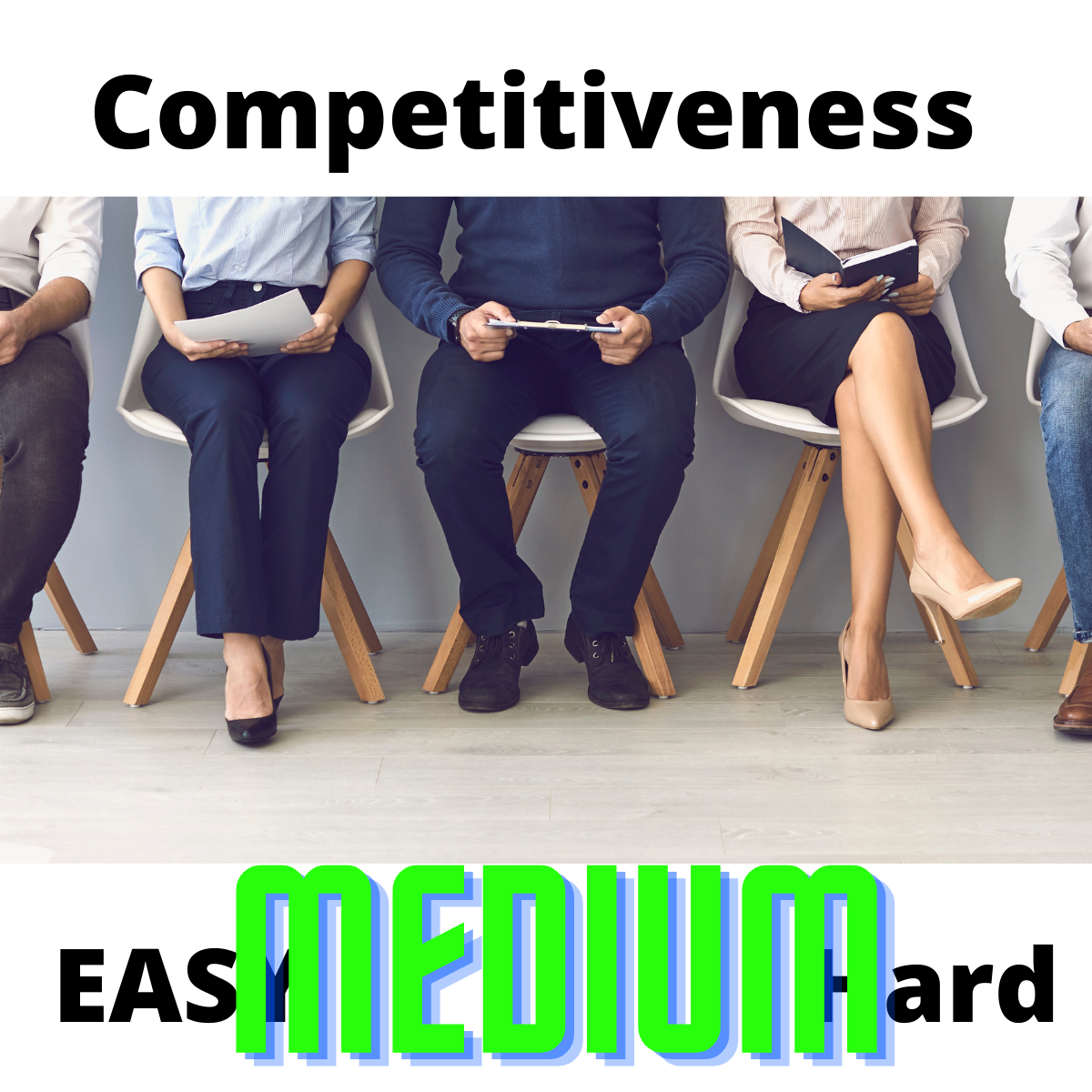
How competitive is a Care Assistant job interview?

Job interview competitiveness - easy

Job Opportunities and Job Outlook

  • The care assistant job market remains strong, with regular vacancies across the UK, particularly in the Midlands, North East, and North West regions.
  • The sector is expected to grow steadily, especially as the NHS faces pressure, and the demand for home care increases.
  • Many care providers offer career progression opportunities for staff, such as training to become senior care assistants or supervisors.
  • Job growth is driven by the need to support older adults and people with long-term conditions, and it’s also influenced by government funding for social care.

Location Trends

  • Larger urban areas, like London, Manchester, Birmingham, and Edinburgh, generally have more care assistant job openings due to the larger population sizes.
  • Rural and remote areas may have fewer job openings, but there can be a higher demand in certain specialized care sectors, such as elderly care in smaller communities.

Challenges in the Sector

  • Workforce shortages: The social care sector is facing a significant shortage of workers, partly due to low wages compared to other industries, and the demanding nature of the work.
  • Retention: High turnover rates are common, as the work can be physically and emotionally demanding.
  • Training and support: There is an emphasis on improving staff training and retention through ongoing professional development opportunities.

Employment Types

  • Many care assistants work full-time, but part-time and zero-hour contracts are also common in the sector.
  • Shift work: The nature of care work often requires evening, night, and weekend shifts, which is something to consider when looking for a job.

Where are the care assistant jobs in the UK?

1. Regional Job Opportunities

London and South East

  • Demand: High demand due to the large, diverse population and the aging demographic. There is also a greater number of private care agencies and care homes.
  • Salary: Typically on the higher end of the scale. Starting salaries can range from £10 to £12 per hour, with more experienced roles or specialized care positions going up to £25,000 or more annually.
  • Types of Jobs: Many care assistants work in residential care homes, while domiciliary care (home care) is also growing, especially for elderly clients who prefer to stay at home.
  • Opportunities: Look for local job boards or agency listings (e.g., Reed, Indeed, or local council websites).

North West

  • Demand: Growing demand, particularly in areas like Manchester, Liverpool, and other urban centers. The region has a mix of public, private, and charity-based care providers.
  • Salary: Average salaries range from £9 to £11 per hour, with slightly higher wages in urban areas and for specialized roles like dementia or palliative care.
  • Types of Jobs: Residential care, dementia care, and home care services are all in demand.
  • Opportunities: Many opportunities through NHS jobs, recruitment agencies, and local council postings.

Midlands

  • Demand: The demand for care assistants is strong in both rural and urban areas, with an emphasis on elderly care and care for individuals with learning disabilities.
  • Salary: Pay tends to be slightly lower compared to London but still competitive. Expect around £9 to £10.50 per hour.
  • Opportunities: Care assistants are needed in nursing homes, care homes, and home care. Look out for opportunities through both private providers and the NHS.

North East

  • Demand: High demand, especially in rural areas where care needs are more specialized and personalized.
  • Salary: Pay ranges from £8.50 to £10.50 per hour, with opportunities for progression into senior care assistant roles or management in care homes.
  • Opportunities: Plenty of openings in smaller, more specialized facilities or independent care providers.

Wales and Scotland

  • Demand: Both countries see a growing demand for care assistants, especially in rural areas where the elderly population is higher.
  • Salary: Similar to other regions but can vary slightly depending on location. Expect around £9 per hour in general.
  • Opportunities: Scotland, in particular, has seen initiatives aimed at improving care staff wages and conditions. Opportunities often available through local government or private care providers.

Tips for Entering the Care Sector

A. Qualification and Training

  • Entry-level: You don’t necessarily need formal qualifications to start, but having a good level of English and maths (GCSE or equivalent) is helpful. Employers often provide on-the-job training, including courses in manual handling, health and safety, and safeguarding.
  • Vocational qualifications: The Level 2 or 3 Diploma in Health and Social Care is highly valued and can help you progress into more senior roles.
  • Additional Certifications: For specialized care roles (e.g., dementia care), consider additional training or certifications like Dementia Care Matters or End of Life Care training. This can make you more competitive, especially if you want to work in more complex care settings.

B. Volunteering or Work Experience

  • Gaining experience through volunteering in a care home or with a home care service can give you an edge. It allows you to understand the work environment and gain firsthand experience, which is highly valued by employers.
  • Many charities and non-profit organizations offer opportunities for volunteers to work alongside professional care assistants, and these experiences can lead to paid positions.

C. Register with Recruitment Agencies

  • There are many agencies that specialize in placing care assistants, particularly in areas of high demand. Examples include Hays Social Care, Recruitment Panda, and Bluebird Care.
  • These agencies can help you find temporary or permanent positions and may also offer additional training.

D. Apply Directly

  • Larger care providers, such as Care UK, Barchester Healthcare, and HC-One, often post job vacancies directly on their websites.
  • The NHS Jobs site also lists roles in the public sector, and local councils regularly post care assistant roles.

E. Be Prepared for Shift Work

  • Many care assistant roles, particularly in care homes or hospitals, require night, weekend, or holiday shifts. Ensure you’re comfortable with irregular hours before applying.
  • Some care providers offer more flexible working hours or part-time roles, so it’s worth asking during the application process.

F. Consider Career Progression

  • Many care assistants progress into roles such as Senior Care Assistant, Care Supervisor, or Registered Manager. With further qualifications (e.g., NVQ Level 5 in Leadership and Management in Care), it’s possible to move into management positions.
  • The sector offers varied career paths, so keep an eye out for opportunities to take on more responsibility.

Job interview questions will vary depending on the job role’s specialty, with employers asking for examples and looking for high levels of knowledge around the specialism.

Interview Specifics:

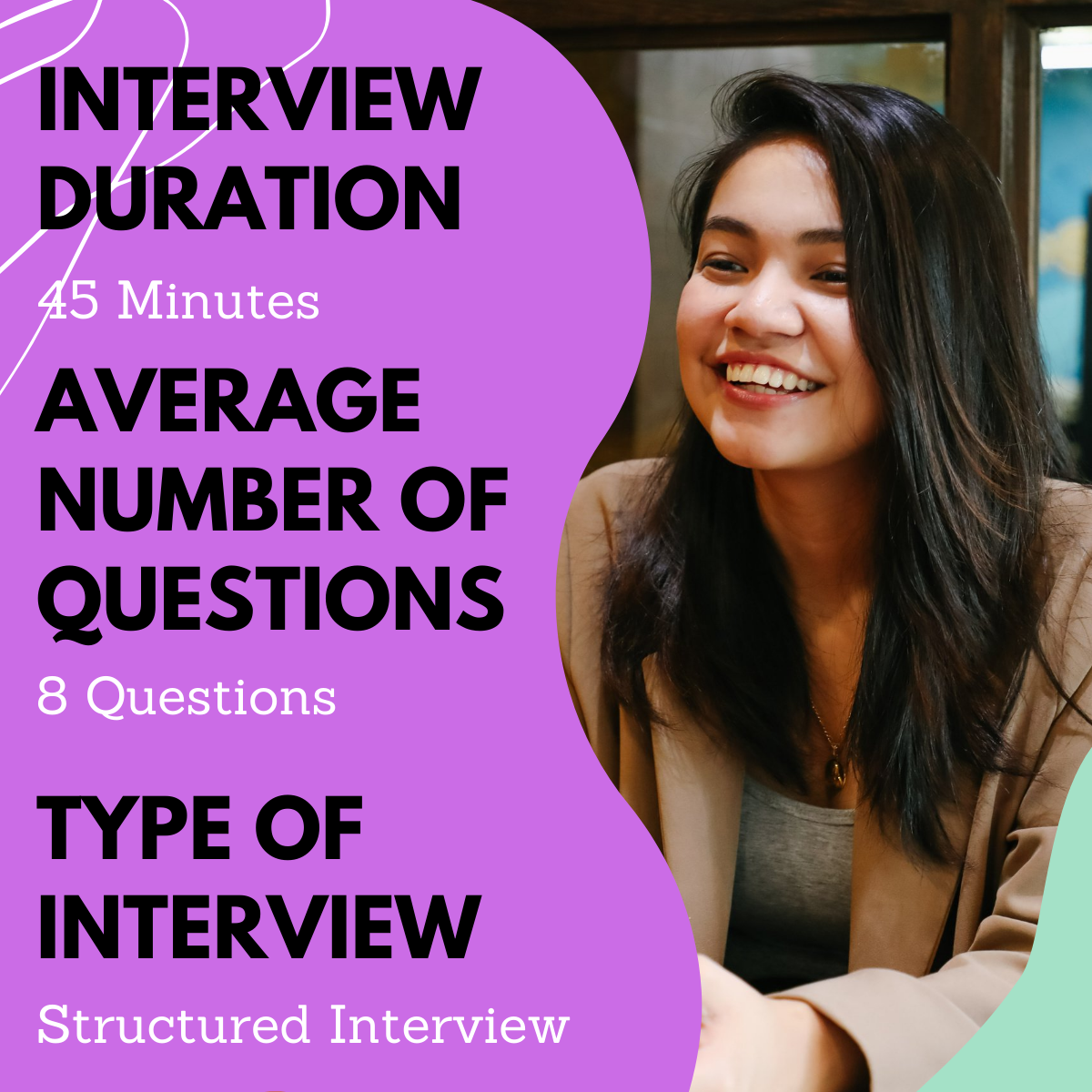
Structural job interview last 45 minutes with 8 interview questions being asked

Can you demonstrate the relevant knowledge and experience to pass a Care Assistant job interview?

  • sensitivity and understanding
  • a desire to help people
  • teamwork
  • patience and remaining calm in stressful situations
  • an attention to detail (especially when working with medicine)
  • emotional intelligence
  • strong communication and listening skills

Salary and Pay Rates

  • Care assistant salaries in the UK vary depending on location, the level of responsibility, and the type of care provided.
    • National average: The salary for a full-time care assistant is around £18,000 to £22,000 per year.
    • Hourly rate: Care assistants earn approximately £9 to £12 per hour, though this can be higher in some areas or for specialized roles.
    • London and the South East: Wages are generally higher due to the higher cost of living. Salaries in these areas can reach £25,000 or more.
    • Overtime and bonuses: Some care assistants may receive extra pay for weekend, night, or bank holiday shifts.

Check the average pay.

Follow the three rules of a successful job interview:

One – identify the skills and experiences of the care assistant role

Two – be a self-promoter by your personal qualities and experiences by using real examples throughout the job interview

Three – communicate confidently. Explain in detail your work experience and how it meets the job criteria

Get Interview Ready

To pass a job interview, it is important to predict the interview questions and practice delivering the interview answers confidently.

  • Mock interviews help to practice an interview in full
  • Re-writing interview answers helps with memory
  • Talking at a slower pace (as interviewees then speed up due to nervousness) helps the employer to record your experiences and skills
Why do you want to work as a care assistant?

Answer Example:
“I’ve always had a strong desire to help people, particularly those who are vulnerable or need support in their daily lives. In my previous role as a care assistant, I found it incredibly fulfilling to make a positive difference in someone’s day, whether it was helping with personal care or just providing companionship. I believe everyone deserves dignity and respect, and I find great satisfaction in being able to offer that support.”

Can you tell us about your previous experience in care?

Answer Example:
“I have worked as a care assistant for three years, mainly in a residential care home. My responsibilities included assisting with daily activities, administering medication under supervision, supporting residents with mobility, and maintaining their personal hygiene. I also had experience supporting individuals with dementia, which taught me patience and effective communication strategies. I’m passionate about delivering care that enhances quality of life, and I take pride in ensuring all residents feel valued.”


How would you handle a situation where a resident is refusing to eat or take their medication?

Answer Example:
“First, I would try to understand the reason behind their refusal. It might be due to a lack of appetite, discomfort, or fear of medication. I’d approach the situation calmly, offering reassurance and giving them the time they need. I would involve other team members, such as the nurse or dietician, if needed, to explore different ways to address their needs. Sometimes offering smaller, more frequent meals or discussing alternatives for medication could help. Ultimately, my focus would be on listening to their concerns and offering a solution that they are comfortable with.”

How do you ensure the privacy and dignity of the people you care for?

Answer Example:
“I always make sure to respect the personal space and privacy of the individuals I care for. This means knocking before entering rooms, covering them properly during personal care, and ensuring that they are comfortable at all times. I also maintain a confidential approach to their personal information and health history. Upholding dignity involves treating everyone with respect, listening to their preferences, and ensuring they are involved in decisions about their care.”


What would you do if you noticed a colleague wasn’t following proper care procedures?

Answer Example:
“If I noticed a colleague wasn’t following procedures, I would first consider whether it was due to a lack of training or misunderstanding. I would approach the situation professionally, either offering assistance or gently reminding them of the correct procedures. If the issue persisted, I would raise the concern with the manager to ensure that proper standards are maintained. It’s important to create an environment of mutual respect and ensure the safety and well-being of the residents.”

How do you manage stress in a high-pressure environment?

Answer Example:
“Care work can be stressful at times, especially when there are multiple tasks to manage or a resident is in need of urgent support. I find it helps to stay organized, prioritize tasks, and keep a calm, positive attitude. Taking a few moments to breathe and refocus can make a big difference. I also ensure to communicate with my team and ask for help if needed, as care work is often collaborative. Managing stress effectively helps me maintain a high standard of care for the people I look after.”

Can you give an example of when you had to deal with a challenging resident? How did you manage it?

Answer Example:
“I worked with a resident who had dementia and would sometimes become agitated during personal care. I learned that their agitation was often triggered by changes in routine or feeling overwhelmed. I responded by speaking to them calmly and using gentle reassurance. I also made sure to establish a routine and give them the time they needed, avoiding rushing or forcing any tasks. Over time, this approach helped build trust and reduce their anxiety, and I was able to provide better care with their cooperation.”

How would you promote independence in a resident who is physically frail but still mentally alert?

Answer Example:
“I believe in promoting independence while ensuring safety. For a resident who is physically frail but mentally alert, I would encourage them to do as much as they can themselves, whether it’s dressing, eating, or exercising with assistance. I would set up their environment to be as accessible as possible, making sure mobility aids are available and offering encouragement. I’d always respect their pace and preferences, ensuring they maintain a sense of control over their daily activities.”


Evolve the mind book on Amazon

What does good teamwork mean to you in a care setting?

Answer Example:
“Good teamwork means communication, support, and collaboration. In a care setting, it’s crucial that everyone is on the same page to ensure the best care for the residents. I always strive to communicate effectively with my colleagues, sharing any relevant information about the residents’ needs, and asking for help when necessary. I also believe in supporting my colleagues, whether it’s assisting with a difficult task or providing emotional support. In a team environment, we all have the shared goal of providing compassionate, high-quality care.”

10. How do you ensure that you continue developing your skills as a care assistant?

Answer Example:
“I am committed to continuous learning and development. I keep up to date with the latest best practices in care through training courses and reading relevant materials. In my previous roles, I have taken advantage of opportunities for further qualifications, such as the Level 2 Health and Social Care diploma, and I plan to continue developing my skills. I also welcome feedback from colleagues and managers, as it helps me identify areas for improvement and ensures that I am providing the highest level of care.”

Need help? Book an interview coaching session.

10 Key Job Interview Questions with Examples for a Mental Health Counsellor

Job interviews for mental health counsellors are often behavioral job interviews, where hiring managers ask about previous experiences.

The key to success is gained by the applicant’s ability to demonstrate both their technical expertise and their ability to connect with clients on a deeper level.

Job Outlook for Mental Health Counsellors – Growth Projections


The job outlook for mental health counsellors is generally strong, with demand expected to grow significantly in the coming years. According to the U.S. Bureau of Labor Statistics (BLS), the employment of mental health counsellors is projected to grow by 22% from 2021 to 2031, and it’s a similar picture in the UK and Europe, which is much faster than the average for all occupations.

This growth is primarily driven by:

  • Increased awareness of mental health: As public awareness of mental health issues continues to rise, more individuals are seeking professional help.
  • Expanded access to services: Healthcare reforms and insurance coverage expansions have made mental health services more accessible to a broader population.
  • Challenges related to mental health crises: The increasing prevalence of anxiety, depression, and stress-related disorders (often exacerbated by the COVID-19 pandemic) has created a heightened need for counseling services.

Where are the jobs? Geographic Variation in Demand

The demand for mental health counsellors can vary by geographic region. Some areas may have a higher demand due to:

  • Urban vs. Rural Locations: Larger cities typically have a greater demand due to population density, but rural areas may also have a shortage of counsellors, making them an attractive option for those willing to work in less populated regions.
  • State and Local Health Priorities: States or regions that have higher rates of mental health conditions (e.g., addiction, depression, trauma) may have a more significant need for counsellors. Additionally, states with greater public health funding for mental health initiatives may see higher demand.

How competitive is a Mental Health Counsellor job interview?

Medium in competitiveness

Specializations within Mental Health Counselling

The field of mental health counselling offers various specialized areas, and the demand for counsellors in certain specialties can influence job opportunities and salary potential:

  • Addiction Counselling: With the opioid crisis and other substance use disorders at the forefront, addiction counsellors are in high demand.
  • Trauma and PTSD Counselling: Counsellors specializing in trauma, particularly related to PTSD, are increasingly sought after, especially in regions with higher military or first-responder populations.
  • Marriage and Family Therapy (MFT): Mental health counsellors who specialize in couples or family therapy may find a niche market in both urban and suburban areas.
  • School Counselling: There is growing demand for school counsellors at both the elementary and secondary levels, especially in districts with higher student-to-counsellor ratios.
  • Telehealth Counselling: The rise of telehealth has expanded opportunities for mental health counsellors, particularly for those willing to work remotely and offer virtual sessions.

Job interview questions will vary depending on the job roles speciality, with employers asking for examples and looking for high levels of knowledge around the specialism.

Emerging Trends

The mental health counselling field is evolving, and some key trends to watch include:

  • Telehealth: Virtual counselling services have become increasingly popular, especially post-pandemic, offering flexibility for clients and counsellors alike.
  • Integrated care: More counsellors are working in collaboration with other healthcare providers (e.g., doctors, social workers, and psychologists) to provide integrated care for clients.
  • Focus on preventative care: As mental health becomes a larger part of the public health conversation, more emphasis is being placed on early intervention and prevention of mental health issues, which could increase the demand for counselling services in schools, workplaces, and community settings.

Research prior to the job interview is vital to predict questions (and prepare interview answers) for questions around emerging trends. Tip: check if the organisation advertising the role use or plans to embed AI, robotics, technology, remote counselling, and integrate care in their practice. If so, there is likely to be an interview question relating to this.  

Interview Specifics:

Structural job interview last 45 minutes with 8 interview questions being asked

Can you demonstrate the relevant knowledge and experience to pass a Mental Health Counsellor job interview?

  • emotional intelligence and self-awareness, sensitivity, and empathy
  • keen observation skills
  • a broad-minded, non-judgemental attitude and a respect for others
  • be able to think clearly under pressure
  • listening, verbal and written communication skills
  • an ability to establish rapport with people from all backgrounds and to gain their trust
  • multiagency working
  • an understanding of GDPR
  • a belief in people’s inherent ability to change and develop

Salary Information

Median annual salary: According to the BLS, the median annual wage for mental health counsellors was around $49,710 (USA) in 2022. However, this number can fluctuate based on location, specialization, and experience level. In the Uk the median salary for a mental health counsellor is £38,000

Salaries for mental health counsellors can vary depending on location, education level, and experience. On average, mental health counsellors earn:

Check the average pay.

Mental health hiring managers will ask a variation of the common questions listed below, but it is important to follow the three rules of a successful job interview:

One – identify the skills and experiences of the counsellor specialism

Two – be a self-promoter by your personal qualities and experiences by using real examples throughout the job interview

Three – communicate confidently. Explain in detail your work experience and how it meets the job criteria

Get Interview Ready

To pass a job interview, it is important to predict the interview questions and practice delivering the interview answers confidently.

  • Mock interviews help to practice an interview in full
  • Re-writing interview answers helps with memory
  • Talking at a slower pace (as interviewees then speed up due to nervousness) helps the employer to record your experiences and skills
10 job interview questions and answers for a mental health counsellor

The template below is designed to be amended by the interviewee who can add more detailed (real) examples to the example answer below. It is important to ensure answers describe how previous roles meet the new job criteria for the advertised job role.


1. Can you describe your counselling approach and how you tailor it to different clients?

Your approach to therapy should be adaptable to meet each client’s unique needs. Interviewers are looking for counsellors who can customize their methods based on the situation at hand.

Example Answer:
“My counseling approach combines person-centered therapy and cognitive-behavioral techniques. I create a non-judgmental, empathetic environment where clients feel heard and safe. For clients with anxiety, I may incorporate cognitive restructuring to help challenge unhelpful thought patterns. For trauma survivors, I might integrate mindfulness and grounding techniques to help them stay present and reduce anxiety. By adapting my approach to each client’s unique needs, I ensure that therapy is both effective and empowering.”


2. How do you handle a situation where a client is resistant to treatment?

Resistance can often occur, especially early in therapy. Employers want to know that you’re skilled in overcoming this challenge and building rapport.

Example Answer:
“When I encounter resistance, I first aim to understand the root cause. I might explore with the client whether they’re feeling uncertain or fearful about the process. I normalize that resistance is part of therapy, ensuring they feel heard. For example, with one client who was initially skeptical of therapy, I took time to explain the benefits and how it could work for them. Over time, they became more comfortable and opened up, allowing us to make significant progress.”


3. Describe a time when you had to manage a crisis situation. How did you handle it?

Counsellors often need to act quickly in crisis situations. This question assesses your ability to think on your feet and respond effectively.

Example Answer:
“In one instance, I worked with a client who had just experienced a traumatic loss and was at risk of self-harm. I stayed calm, practiced grounding techniques, and kept the conversation focused on the present moment to reduce their immediate distress. After assessing the level of risk, I contacted emergency support services and made sure the client had a safety plan in place. After the crisis was averted, we followed up with ongoing therapy to address grief and trauma.”


4. How do you ensure confidentiality in your work with clients?

Confidentiality is a foundational principle in counselling, and interviewers will want to know that you take it seriously.

Example Answer:
“I take confidentiality very seriously by storing all records securely, whether digital or paper. I make sure to explain the limits of confidentiality to clients at the start, especially in situations involving harm to self or others. I always obtain written consent if information needs to be shared with other professionals. Additionally, I’m mindful of privacy in conversations—ensuring that no sensitive information is shared inappropriately, even in casual settings.”


5. How do you assess a client’s mental health and develop a treatment plan?

Your ability to assess clients and develop a tailored plan is essential for effective treatment. Employers want to know that you have a structured approach.

Example Answer:
“I begin with a thorough intake assessment, which includes standardized assessments and open-ended questions to understand the client’s history and current struggles. For example, when working with a client experiencing depression, I might use a depression-specific screening tool to assess the severity. I then collaborate with the client to develop goals that are achievable and measurable. We regularly revisit the treatment plan to make adjustments as needed based on progress.”


6. How do you approach working with clients from diverse cultural backgrounds?

Cultural competence is a critical skill for counsellors in today’s diverse world. Employers want to know that you can work effectively with clients from all walks of life.

Example Answer:
“I believe in a culturally sensitive approach. I always make sure to learn about and respect each client’s cultural values and experiences. For example, when working with a client from a collectivist background, I might explore how family dynamics impact their mental health. I also recognize that some therapeutic practices may not align with a client’s cultural or spiritual beliefs, so I adapt my approach to ensure it feels respectful and appropriate.”

7. What steps do you take to maintain your own mental health and avoid burnout in this profession?

Self-care is essential for maintaining long-term effectiveness as a counselor. Interviewers want to see that you take proactive steps to preserve your well-being.

Example Answer:
“I prioritize my own mental health through a combination of supervision, peer support, and personal self-care. I have regular check-ins with a supervisor to debrief challenging cases, and I also participate in support groups with fellow counsellors. Outside of work, I ensure I take time for physical activities like yoga, and I spend time with family and friends to recharge. Setting clear boundaries with clients is also important to avoid burnout.”


8. Can you give an example of a successful therapy outcome you’ve had with a client?

This question allows you to highlight your achievements and demonstrate the positive impact of your work.

Example Answer:
“I had a client who struggled with social anxiety and had a deep fear of public speaking. Over several sessions, we worked on gradual exposure techniques and cognitive restructuring. By the end of therapy, the client felt comfortable speaking in front of small groups and even volunteered to lead a presentation at work. It was rewarding to see them gain confidence and take on new challenges.”


Evolve the mind book on Amazon

9. How do you handle working with clients who have severe mental health disorders, such as schizophrenia or bipolar disorder?

Dealing with severe mental health conditions requires specialized knowledge. Interviewers want to gauge your experience and comfort level in this area.

Example Answer:
“I work closely with psychiatrists and other healthcare providers when treating clients with severe conditions like schizophrenia or bipolar disorder. I use evidence-based interventions such as cognitive-behavioral therapy for psychosis (CBTp) and psychoeducation to help clients understand their condition. For example, with a client who had bipolar disorder, I worked on building coping strategies for managing mood swings, and we discussed the importance of medication adherence in managing symptoms.”


10. What do you think are the most important qualities of a good mental health counsellor?

This is a great opportunity to express your values as a counsellor and emphasize the qualities that make you effective in your role.

Example Answer:
“I believe the most important qualities in a counsellor are empathy, patience, and strong listening skills. A good counsellor must also be flexible and open-minded, as each client brings their own unique experiences. It’s crucial to build trust and create a non-judgmental space. I also believe in continual professional development—learning new techniques and staying informed about the latest research to provide the best care.”


Preparing for a mental health counsellor interview requires more than just understanding technical knowledge; it’s about demonstrating how you connect with clients and approach complex situations. By practicing responses to these common interview questions, you’ll be ready to show your future employer that you’re not only a skilled clinician, but also someone who deeply cares about supporting others on their mental health journey.

Need help? Book an interview coaching session.

Interview Questions and Answers for a University Graduate

Gaining work after completing a university degree is highly competitive as employers receive applicants from qualified graduates from around the UK.

Another barrier for the graduate job seeker is a lack of confidence in a job interview which results in poor interview answers that don’t often highlight a selling point or experience.

Graduate job market stats:

  • 87.7% of working age (16-64 years old) graduates were in employment in 2023, compared to 89.4% of postgraduates and 69.7% of non-graduates.
  • 67.0% of working age (16-64 years old) graduates were in high-skilled employment in 2023, compared to 78.9% of postgraduates and 23.7% of non-graduates.
  • £40,000 was the median nominal salary for working age (16-64 years old) graduates in 2023, compared to £45,000 for postgraduates and £29,500 for non-graduates (to the nearest £500).
  • £26,000 was the median real terms salary for working age (16-64 years old) graduates in 2023 (base year 2007), compared to £29,000 for postgraduates and £19,000 for non-graduates (to the nearest £500).
  • £6,500 was the graduate premium median real terms salary in 2023 (base year 2007), the difference between working age (16-64 years old) graduates and non-graduates average earnings (to the nearest £500).
  • £6,000 was the graduate gender gap in median real terms salary in 2023 (base year 2007), the difference between working age (16-64 years old) male and female graduates’ average earnings (to the nearest £500). 

Source:

How competitive is a graduate job interview?

Medium in competitiveness

Interview Specifics:

Structural job interview last 45 minutes with 8 interview questions being asked

Check the average pay.

The three rules of a successful job interview

One – identify the skills and experiences each employer requires you to possess as these will ultimately become the job interview questions

Two – be a self-promoter by highlighting skills, experiences, knowledge, and qualities the employer requires for the graduate position you are applying for

Three – communicate confidently – speak slowly, give detail, don’t waffle or use filler words. Pause, reiterate, and use public speaking skills to highlight your unique selling point

How to Pass a Job Interview

To pass a job interview, it is important to predict the interview questions and practice delivering the interview answers confidently.

  • Mock interviews help to practice an interview in full
  • Re-writing interview answers helps with memory
  • Talking at a slower pace (as interviewees then speed up due to nervousness) helps the employer to record your experiences and skills

Tell me about yourself.

Answer:
“I recently graduated with a degree in [your degree] from [University Name]. Throughout my academic journey, I developed a strong foundation in [key skills related to the job], and I’m particularly passionate about [specific area of interest]. I’ve also had the opportunity to work on projects related to [specific experience], where I enhanced my problem-solving and team collaboration skills. I’m excited to bring my knowledge, skills, and enthusiasm to a professional setting and contribute to [Company Name]’s goals.”


Why did you choose this field of study?

Answer:
“I chose [your field of study] because of my passion for [specific aspect of the field]. I have always been fascinated by [related interest], and I wanted to deepen my understanding and gain the skills needed to pursue a career in this area. I enjoy solving complex problems and finding innovative solutions, which is why I felt this field was the perfect fit for me.”

What skills did you gain during your studies that will help you succeed in this role?

Answer:
“During my studies, I developed strong analytical, communication, and teamwork skills. I frequently worked on group projects, which helped me learn how to collaborate effectively and manage differing opinions to achieve common goals. I also gained expertise in [specific software or tools] and honed my ability to present ideas clearly, both in writing and verbally.”


Why do you want to work for this company?

Answer:
“I’ve done extensive research on your company, and I admire how [Company Name] is known for its [specific aspect of the company, e.g., innovation, commitment to sustainability, work culture]. The values and vision of the company align with my own career goals, and I believe my skills in [mention relevant skills] would be a strong fit for your team. I’m excited about the opportunity to contribute to your mission and learn from the talented professionals here.”

How do you handle stress and pressure?

Answer:
“I manage stress by staying organized and breaking down tasks into smaller, manageable steps. During busy periods, I prioritize tasks based on deadlines and importance, which helps me stay focused. I also find that maintaining a positive attitude and seeking support when needed helps me navigate challenges without feeling overwhelmed.”


What are your strengths?

Answer:
“One of my key strengths is my ability to quickly adapt to new situations. During my time at university, I worked on various projects where I had to learn new tools or approaches, and I was able to do so successfully. I’m also a strong communicator, which has helped me collaborate effectively with classmates and professors. Finally, I am highly organized, which ensures I can balance multiple tasks efficiently.”

What are your weaknesses, and how do you address them?

Answer:
“One area I’m working on is my tendency to be a perfectionist. Sometimes, I can get caught up in the details, but I’ve learned to balance quality with efficiency by setting clear time limits for tasks and asking for feedback when needed. I’ve found that focusing on continuous improvement helps me make more progress without getting stuck in overthinking.”


Tell us about a time when you worked as part of a team.

Answer:
“In one of my university projects, I worked on a team that was tasked with [project description]. We had to divide the workload based on individual strengths, and I was responsible for [your role]. I made sure to keep communication open by setting up regular check-ins and encouraging everyone to share their ideas. We were able to complete the project ahead of schedule, and I learned the importance of collaboration and clear communication.”

Evolve the mind book on Amazon

Where do you see yourself in five years?

Answer:
“In five years, I see myself growing within this company, contributing to major projects, and possibly taking on more leadership responsibilities. I’m eager to continue developing my skills and taking on new challenges, and I hope to be part of a team where I can contribute meaningfully to its long-term success while advancing my own career.”


Why should we hire you?

Answer:
“You should hire me because I bring a strong educational foundation, a proactive attitude, and a willingness to learn. I’m highly motivated to contribute my skills in [relevant area] and am excited to bring fresh perspectives to your team. I also have a strong work ethic and am committed to achieving results, which I believe will allow me to add value to your organization.”

Interview Answers for a Civil Engineering Job

There is a large need for civil engineers in the UK. As of the second quarter of 2024, approximately 96,600 civil engineers were working in the United Kingdom.

Civil engineer’s job duties include research and design, direct construction, and managing the operation and maintenance of civil and mining engineering structures. Job interview questions, therefore, will focus in on:

How competitive is a Civil Engineer job interview?

Medium in competitiveness

Interview Specifics:

Structural job interview last 45 minutes with 8 interview questions being asked

Can you demonstrate the relevant knowledge and experience to pass a Civil Engineer job interview?

  • technical competence
  • excellent numeracy and IT skills
  • strong communication and teamwork skills
  • the ability to supervise and lead others
  • the capability to work to budgets and deadlines
  • an understanding of relevant building and health and safety legislation
  • a creative approach to problem-solving
  • a flexible approach.

Check the average pay.

All civil engineer hiring managers will ask a variation of the common questions listed below, but it is important to follow the three rules of a successful job interview:

One – identify the skills and experiences each civil engineer employer requires you to possess

Two – be a self-promoter by highlighting design, mathematics and project management skills and experiences

Three – communicate confidently. Explain in detail your work experience and how it meets the job criteria

To pass a job interview, it is important to predict the interview questions and practice delivering the interview answers confidently.

  • Mock interviews help to practice an interview in full
  • Re-writing interview answers helps with memory
  • Talking at a slower pace (as interviewees then speed up due to nervousness) helps the employer to record your experiences and skills

What is the difference between civil engineering and structural engineering?

Answer: In my experience, civil engineering is a broad field that encompasses various types of infrastructure, such as roads, bridges, and water systems. I’ve worked on projects that involved the design of transportation networks and drainage systems. Structural engineering, on the other hand, is a more specialized area that focuses on ensuring buildings, bridges, and other structures can withstand the forces acting on them, like gravity, wind, and seismic forces. When I worked on a bridge project, I collaborated closely with structural engineers to ensure the design could handle heavy traffic loads and extreme weather conditions.

Explain the concept of the “dead load” and “live load” in structural design.

Answer: I’ve worked on multiple projects where understanding dead load and live load was crucial for the structural design. In simple terms, dead load refers to the constant weight of the structure itself—things like beams, floors, and walls. When I worked on a multi-story office building, calculating the dead load was essential to ensure the foundation could support the weight of the entire structure. Live load, on the other hand, refers to temporary loads, such as people, furniture, or equipment. During my time on a hospital construction project, we had to account for live loads like the movement of medical equipment and patients to ensure the floors could handle those fluctuating loads.

What is the importance of soil testing in civil engineering projects?

Answer: I can’t overstate how important soil testing is. On one particular project I worked on, we were building a commercial complex on a site that had a high water table. The results from our soil testing informed us that we needed to design deeper foundations to avoid issues with settlement. In another case, we found that the soil was prone to liquefaction, so we had to take extra precautions when designing the foundation to ensure the structure wouldn’t be at risk during an earthquake. Soil testing has always been a critical part of my planning process to avoid costly mistakes down the line.


Can you explain what “FEMA” stands for and its relevance in civil engineering?

Answer: FEMA, or the Federal Emergency Management Agency, has played a vital role in a number of my projects, especially those in areas prone to natural disasters. For example, I was involved in a project where we had to design a community center in an area vulnerable to flooding. By following FEMA’s guidelines on flood-prone areas, we elevated the building above the base flood elevation to ensure the structure would be safe in the event of a flood. FEMA’s standards for disaster-resilient design are something I always consider when working on projects in at-risk areas.

What is the difference between reinforced concrete and prestressed concrete?

Answer: In my experience, reinforced concrete is the go-to material for many projects because it’s versatile and cost-effective. I worked on a parking garage where reinforced concrete was used to form the slabs and columns. Prestressed concrete, however, is used in situations where higher strength is required, and it’s more efficient at resisting bending and cracking. On a recent highway bridge project, we used prestressed concrete beams because the span was large, and we needed to reduce deflection and improve load distribution.


What are the basic steps involved in a construction project from start to finish?

Answer: From my experience, the steps of a construction project typically start with careful planning and design. For example, during the design phase of a recent residential complex, we worked closely with architects to finalize the blueprints and get the necessary permits. After that, site preparation was key—on one project, we had to deal with a lot of rock on the site, which required extra excavation. During foundation construction, I closely monitored the pouring of concrete to ensure it was done correctly. The next stages involved building the structure, installing utilities, and finishing the interior and exterior. I always ensure that regular safety checks and inspections are part of the process to avoid any delays or issues before handing the project over to the client.

What are the most important factors to consider when designing a bridge?

Answer: In my experience working on bridge projects, I always start by assessing the site conditions, such as soil type, water levels, and potential seismic activity. For instance, when we designed a bridge across a river, we had to account for fluctuating water levels, which influenced the type of foundation we used. Load-bearing capacity is another key factor—on one project, we had to design for heavy vehicular traffic and high pedestrian volumes. Material selection is also important to balance durability, cost, and aesthetic considerations. I remember working with a team to select the right steel for a bridge in a coastal area, which had to resist corrosion from saltwater.


How do you manage project timelines and costs in civil engineering projects?

Answer: Managing timelines and costs is something I’ve always had to stay on top of. For example, on a large infrastructure project I was involved in, I used project management software like Microsoft Project to develop a detailed schedule, breaking down tasks into phases. I worked closely with the procurement team to ensure materials were delivered on time and within budget. One thing I’ve learned over the years is to have contingency plans in place. On one project, unexpected weather delays set us back, so we adjusted the schedule and increased labor during the good weather days to make up for lost time.

Evolve the mind book on Amazon

What is the purpose of using BIM (Building Information Modeling) in civil engineering?

Answer: I’ve found that BIM has been an absolute game changer in improving project efficiency and collaboration. In one of my recent projects, we used BIM to visualize the entire building before construction started. This allowed us to identify potential clashes between systems, like HVAC ducts and plumbing, early in the design phase. BIM also made it much easier to communicate with the contractor and stakeholders, which streamlined decision-making. By using BIM, we were able to cut down on rework, which saved both time and costs.


How do you ensure safety on a construction site?

Answer: Safety is always a top priority in every project I’ve worked on. In one of the large-scale projects I was involved in, we had weekly safety meetings where the team would review potential hazards and discuss preventive measures. I’ve made it a point to ensure that workers are provided with the appropriate personal protective equipment (PPE), such as helmets, gloves, and safety boots. On-site inspections are part of my routine, and I always ensure that safety barriers are in place around dangerous areas like excavations and high structures. When accidents or near misses have occurred, I’ve made it a priority to address the issue immediately, conduct a root cause analysis, and implement corrective actions to prevent future occurrences.

The Surprising Truth About Remote Work: More Sleep, Less Work?

As remote work continues to evolve in the post-pandemic era, new data is shedding light on the habits of those who work from home versus those who commute to the office.

According to official analysis by the Office for National Statistics (ONS), remote workers enjoy more rest, more exercise, and surprisingly, less work. But is this a problem or a natural shift in work culture?

More Sleep and Exercise, But Less Work?

The numbers are intriguing: remote workers get an extra 24 minutes of sleep and 15 minutes of exercise every day compared to their office-going counterparts.

These extra hours of rest and movement might seem like a benefit, but they come with a caveat—remote workers tend to work 10 minutes less on average than those in the office. While it’s tempting to view this as a productivity loss, it’s important to consider the full picture.

Managers, in particular, are more likely to embrace remote or hybrid working models. 45% of senior staff now work from home or in a hybrid setup, compared to just 27% of employees overall.

This growing trend reflects how working from home is being increasingly normalized, especially as the pandemic-driven shift to full-time remote work continues to recede.

Hybrid Work: The New Normal

While the wave of full-time remote work is declining, hybrid models are on the rise. In fact, the percentage of workers using a hybrid approach has tripled since January 2021, from 9% to 28%.

This shift indicates that many workers prefer the flexibility of splitting their time between the office and home rather than returning full-time to the workplace.

Some major employers, like Amazon and Asda, have urged employees to return to the office, contributing to the drop in full-time remote work from 37% in February 2021 to just 13% by October 2024.

However, many workers have opted for a hybrid solution instead, a trend that has become more accepted across various industries.

The Public Sector Debate: Is Remote Work Hindering Productivity?

The debate surrounding remote work has not been without controversy. In the UK, the Civil Service has faced criticism for sluggish productivity, with some blaming remote work for the lack of efficiency.

Sir Jacob Rees-Mogg, the former minister for Brexit opportunities and government efficiency, famously criticized remote-working civil servants, claiming that many were “literally asleep on the job.”

His comments, which included reports of employees taking naps during work hours, sparked debates about the future of remote work in public services.

Rees-Mogg argued for a return to a five-day office-based working week, saying that public sector productivity was suffering as a result of too many workers staying home.

However, this perspective stands in stark contrast to the views of Labour Party officials. Business Secretary Jonathan Reynolds has championed flexible working, noting its potential for economic benefits.

The debate continues as both sides make their case for the future of work, but the reality is that flexible working is becoming an accepted norm across many sectors.

Access to Remote Work: The Age and Industry Divide

The ONS analysis also revealed an important demographic detail: younger workers are far less likely to have access to hybrid or remote working opportunities.

Just 19% of workers under 30 are able to work remotely, compared to 29% of workers over 30.

This is largely because younger employees are more likely to be in industries such as retail or hospitality, where remote work simply isn’t an option.

Education also plays a significant role in who has access to hybrid models. Workers with degrees are 10 times more likely to work remotely than those without qualifications.

A striking 42% of degree holders have access to hybrid work, while only 4% of those without a degree can claim the same.

This highlights the growing divide between professional and non-professional sectors when it comes to remote work opportunities.

Evolve the mind book on Amazon

The IT Sector Leads the Charge

When it comes to hybrid working, the IT sector leads the pack. Nearly half (49%) of IT professionals work remotely for part of the week, followed closely by the professional and scientific sectors, where 46% of workers enjoy hybrid arrangements.

These sectors benefit from the nature of their work, which often lends itself well to remote environments.

The Future of Work: Balance or Burnout?

The future of work remains a topic of intense debate, with remote work and hybrid models continuing to shape workplace culture.

On one hand, remote workers enjoy better work-life balance, with more sleep and exercise—a sign that flexible working can improve wellbeing.

On the other hand, concerns about productivity and the impact of remote work on collaboration and efficiency remain front and center.

As hybrid working becomes the norm, the key will be finding a balance between flexibility and productivity, ensuring that workers have the support they need while still meeting the demands of their jobs.

Whether working from home or in the office, the world of work is evolving, and it’s up to both employers and employees to adapt to this new reality.

Does Having a Tattoo Stop You From Getting Hired?

Summary:

A study ‘What does job applicants’ body art signal to employers?’ by Stijn Baert, Jolien Herregods, Philippe Sterkens, investigates how visible body art (e.g., tattoos and piercings) affects the hiring decisions of job recruiters.

The focus of the study was on how body art interacts with various candidate characteristics, such as gender, obesity, and qualifications.

In the experiment the researchers used a state-of-the-art scenario approach, where participants assumed the role of recruiters assessing job candidates.

They evaluated candidates based on vignettes that varied by body art type, obesity, and other factors like gender, academic performance, and job-related skills.

Key Findings:

  1. Overall Impact of Body Art: The presence of body art did not significantly reduce the likelihood of being invited for an interview or hired, suggesting body art doesn’t universally affect hireability. However, there were some notable nuances.
  2. Gender Differences: Body art negatively impacted male candidates’ hireability. Men with body art had a lower probability of being invited to an interview and scored worse on hireability measures compared to men without body art. No such effect was found for women. This highlights the interaction between body art and gender, with men facing greater stigmatization.
  3. Obesity and Other Factors: Obesity also lowered hireability, and its effect was stronger than that of body art. Obese candidates were rated lower on hireability, collaboration, and personality traits like emotional stability, but higher on traits related to productivity (e.g., manageability).
  4. Perceived Personality and Collaboration: Candidates with body art were viewed as less honest, emotionally stable, agreeable, and conscientious, although they were also seen as more extroverted and open to new experiences. This suggests body art may signal certain personality traits to recruiters, but these signals vary by gender.
  5. Recruiter Characteristics: The study controlled for factors like recruiters’ experience, education, and tendency to provide socially desirable responses. It found no evidence that these factors influenced the overall results, suggesting that the effects were not due to bias from participants’ personal experiences or social desirability.

The study shows that body art does influence hiring decisions, particularly for male candidates, who are judged more harshly for wearing body art compared to females.

The impact of obesity on hireability was more pronounced than body art, which suggests that physical appearance plays a significant role in recruitment decisions.

While body art did not have a strong effect on hiring outcomes overall, it did influence perceptions of personality and collaboration, and its impact varied by gender.

The Impact of Body Art on Job Recruitment: What Employers Need to Know

In today’s rapidly evolving job market, one might assume that professional qualifications and experience are the sole determinants of hiring decisions, espcially with the increase in the use of a structured job interview

However, appearances and personal traits, including body art, can still play a significant role in shaping hiring outcomes.

The Research Behind the Stigma

A recent experiment conducted by Van Borm et al. (2021) sought to explore the effect of body art on recruitment decisions. The study was based on the methodology established by Auspurg and Hinz (2014) but expanded to cover a broader range of job sectors and candidate characteristics.

Participants in the study were placed in the role of recruiters and tasked with evaluating applicants for one of eight job groups, including professions such as software developers, travel agents, and poets. These jobs varied in terms of required educational level, customer contact, creativity, and reliability.

By presenting a diverse set of job applicants with varying levels of body art, weight, and gender, the experiment aimed to uncover any potential biases related to these factors in the hiring process.

Key Findings from the Experiment

  1. Body Art Does Not Necessarily Lower Hireability Overall

One of the key insights from the experiment is that the presence of body art (whether tattoos or piercings) did not significantly lower the overall likelihood of being hired or invited for an interview. Across all participants, candidates with body art were not found to have lower odds of being selected for an interview or hired compared to candidates without body art.

  1. Gender Differences in Perception of Body Art

The study revealed an important gender interaction. While body art had little impact on the hireability of female candidates, male candidates with visible body art were less likely to be invited for an interview or hired. Specifically, male candidates with body art saw a 5.4% decrease in the probability of being invited for an interview and a similar drop in hiring appropriateness scores. This suggests that body art may carry a more significant stigma when worn by men, possibly due to ingrained societal perceptions about masculinity and professionalism.

  1. Body Art Impacts Perceived Personality and Collaborativeness

Another crucial finding was that job candidates with visible body art were often perceived as less desirable colleagues. Recruiters rated these candidates as less pleasant to collaborate with, both as an employer and as a colleague. Interestingly, candidates with body art were also perceived as less honest, emotionally stable, agreeable, and conscientious. However, they were seen as more extroverted and open to new experiences, which may be beneficial in certain roles.

  1. Obesity as a Parallel Stigma

In addition to body art, the study also explored the effects of obesity on hiring decisions. Similar to body art, candidates who appeared obese were rated lower in terms of hireability and personality, though they were seen as more productive in certain contexts. This finding emphasizes that physical appearance—whether in the form of body art or weight—can significantly influence hiring decisions, despite the lack of a direct link to job performance.

Actionable Points for Job Seekers

If you’re applying for jobs and have visible body art, the research suggests there are some important factors to consider in order to improve your chances of being hired:

1. Choose the Right Role

Not all jobs perceive body art the same way. For instance, positions that demand high levels of customer interaction or roles that are more traditionally “corporate” may have stricter standards around appearance. On the other hand, creative fields, such as graphic design, marketing, or the arts, are likely to have a more lenient view of body art. Consider whether the company’s culture aligns with your style and appearance before applying.

2. Understand the Gender Dynamics

The study showed that body art had a more significant negative effect on male candidates. This suggests that male candidates may need to be more strategic about when and how they showcase body art, especially if applying for roles in conservative industries. While it’s important to be authentic, understanding the cultural context of a given industry or organization can help mitigate any biases.

3. Leverage Your Other Strengths

If you have body art and are concerned about biases, you can proactively showcase other strengths that may counterbalance any perceived negative traits. Highlight your qualifications, relevant experience, and skills that align with the job description. Additionally, demonstrating your ability to collaborate and your commitment to the job can help break down stereotypes associated with body art.

4. Prepare to Address the Issue Directly

If you suspect that body art might be a concern during an interview, be prepared to address it directly and confidently. You could frame it as a form of self-expression or creativity, depending on the role you’re applying for. In some cases, explaining the significance of your tattoos or piercings might help hiring managers see them as a reflection of your individuality rather than as a hindrance.

Actionable Points for Hiring Professionals

As an employer, it’s essential to be aware of potential biases that may influence your hiring decisions. Here are some steps you can take to ensure a more inclusive and fair recruitment process:

1. Focus on Skills, Not Appearance

While body art may influence first impressions, it should never overshadow a candidate’s qualifications and experience. Instead of letting visible body art dictate your decision, focus on assessing candidates based on their skills, qualifications, and fit for the role.

Create a structured interview process that emphasizes job-relevant criteria, and avoid making judgments based on physical appearance alone.

2. Standardize Evaluation Criteria

The presence of body art can easily trigger implicit biases, leading recruiters to make assumptions about a candidate’s personality or work ethic. One way to counteract this is to use a standardized evaluation system. For instance, rate candidates on a consistent scale using objective criteria related to job performance. This helps ensure that all applicants are evaluated fairly and consistently, regardless of their appearance.

3. Educate Your Hiring Team on Bias

Hiring managers and recruiters should receive training to help them recognize and mitigate biases, including those related to body art.

Conducting regular workshops on unconscious bias, and educating your team on the impact of appearance-based discrimination, can improve decision-making and create a more inclusive recruitment process. ***other research shows how unconcious bias training is only effective if employees volunteer to attend the training

4. Adopt a Culture of Diversity and Inclusion

A company’s culture plays a significant role in shaping attitudes toward body art. To create a more inclusive workplace, foster a culture that values diversity in all its forms, including self-expression.

Encourage employees to be themselves and show that you embrace diversity in your hiring process. This sends a positive message to potential candidates and ensures that your organization attracts a wide range of talent.

Evolve the mind book on Amazon

The research reveals that body art, such as tattoos and piercings, can influence hiring decisions, but the impact is not universal. Gender, job type, and societal perceptions all play a role in how body art is viewed in the hiring process. While men may experience a greater stigma, body art does not always hinder a candidate’s chances, especially in creative industries or roles that emphasize individuality.

For job seekers, being strategic about the roles they apply for, understanding how their appearance may be perceived, and leveraging their strengths can help mitigate any biases. For employers, focusing on qualifications, providing bias training, and fostering an inclusive culture can ensure that recruitment practices are fair and equitable.

By adopting these actionable steps, both job seekers and hiring professionals can navigate the complexities of body art in the hiring process, ultimately creating a more inclusive, diverse, and fair work environment.

Navigating Inappropriate Job Interview Questions: A Practical Guide for Women

cpd job interview question

The recruitment process is found to be unfair to women who are viewed as being at an age where they are likely to become pregnant therefore needing to take maternity leave. 

Across industries and around the world, interviewers often ask inappropriate, sometimes illegal, questions that hint at concerns about parental status, future family plans, or caregiving responsibilities.

Although it’s illegal to discriminate based on parental status in many countries, questions that aim to gather such information still emerge, often indirectly throughout the recruitment process.

Knowing how to respond to inappropriate parental (job interview) questions can help candidates protect their job prospects and, ultimately, contribute to reducing discriminatory practices in hiring.

In recent research, ‘How to respond to inappropriate questions in job interviews: Personal and social consequences of truth-telling, deflection and confrontation’ solutions to this common bias have been looked into. 

Why do hiring managers ask questions about pregnancy? 

Employment discrimination against women based on their potential for motherhood stems from deep-seated cultural biases and stereotypes.

Research shows that assumptions about women’s roles and availability can impact perceptions of their commitment, “fit,” and dedication to a job.

Often, women are expected to prioritize family responsibilities over work, a stereotype that rarely affects men in the same way even though many males now take paternity leave for long periods of time.

The belief feeds into a cycle where women may be asked inappropriate questions during the job interview, putting female applicants in the position of either awkwardly disclosing personal information or having to find a way to sidestep the question.

This scenario places women at a crossroads where they must carefully weigh how to respond, balancing their desire for authenticity with a pragmatic approach that supports their chances of being hired.

Conflict Management Strategies for Dealing with Illegal Job Interview Questions

Kahalon, R., Ullrich, J. and Becker, J.C. (2024) ‘How to respond to inappropriate questions in job interviews: Personal and social consequences of truth-telling, deflection and confrontation’, European Journal of Social Psychology research paper found three conflict management strategies that can be used to deal with inappropriate parental status interview questions.

The results from three experiments that attributed to the research suggest that ‘deflection’ (i.e., responding with another question) is the superior strategy when asked questions about future family planning as the strategy increases the chance of being hired compared to applicants who opt for truth telling (which can play into the employers biases).

Another option is ‘confrontation’ (i.e., saying that the question is inappropriate). The confrontation method was found to be superior in terms of a social level and leads to a decrease the probability that the same interviewer will asked similar questions to women in future interviews but is highly unlikely to result in a job offer for the candidate confronting the employer.

The 3 common strategies to approach the illegal interview question:

  1. The Strategy of Truthful Disclosure

The first strategy is to answer the interviewer’s question honestly, even if it touches on sensitive topics.

For example, if asked about family plans, one might say, “Yes, I do plan on having children in the future,” or “I currently have two young children.”

Pros of Truthful Disclosure

  • Authenticity: This approach demonstrates openness and honesty, qualities that can sometimes foster trust.
  • Avoids Risk of Misinterpretation: With a direct answer, there’s no ambiguity, and interviewers cannot misinterpret your words.
  • Strengthens Personal Confidence: Answering directly can feel empowering, especially for those who value transparency.

Cons of Truthful Disclosure

  • Reduced Hiring Chances: Disclosing parental status or plans can sometimes play into biases, leading interviewers to view you as less committed to the job.
  • Reinforces Biases: By answering these questions, you inadvertently accept them as valid, which can perpetuate the belief that parental status is a legitimate consideration in hiring.

When to Use Truthful Disclosure

Truthful disclosure can be an appropriate response if:

  • You believe that the company genuinely supports work-life balance and doesn’t penalize employees for family commitments.
  • You feel comfortable sharing and believe your response will not affect your hiring chances.

Example Response: “Yes, I do have children, but I have a strong support system that allows me to be fully committed to my role.”

Practical Tip: Reframe the Disclosure

If you choose to disclose, use it as a segue to emphasize your strengths. For instance, mentioning a support system or flexibility plan demonstrates your commitment to managing both professional and personal responsibilities.

  1. Confrontation as a Strategy for Social Change

Confronting the interviewer about the inappropriateness of the interview question is a more direct strategy that can go either way.

The direct approach challenges the interviewer and brings attention to the issue, signalling that inappropriate questions are not acceptable – sometimes the hiring manager isn’t aware of the appropriateness of the questions until their attention is drawn to it.

For example, if asked about your plans to start a family, you might respond, “I’m not sure how that’s relevant to my ability to perform in this role.”

Pros of Confrontation

  • Sets Boundaries: Directly addressing inappropriate questions helps set professional boundaries and demonstrates self-advocacy.
  • Promotes Social Change: Confrontation can have a ripple effect, discouraging interviewers from asking similar questions in the future.
  • Establishes Respect: This approach can also communicate that you are confident and unwilling to accept discrimination.

Cons of Confrontation

  • Perceived as Aggressive: Confrontation can sometimes be perceived as combative, especially for women, who may face backlash for challenging authority.
  • Risk of Not Being Hired: By directly opposing the interviewer, you might reduce your chances of securing the position.

When to Use Confrontation

Confrontation is ideal if:

  • You value setting a strong precedent against discrimination.
  • You’re willing to take a risk for the potential reward of encouraging more equitable practices.

Example Response: “I think questions about family status are generally unrelated to my professional abilities and commitment. I’m happy to discuss my relevant skills and experiences for this role.”

Practical Tip: Use a Neutral Tone

When confronting, aim to maintain a neutral tone to reduce the likelihood of being perceived as overly defensive. This can help frame your response as an assertion rather than an accusation.

  1. Deflection: A Polite and Practical Response

Deflection is an indirect way of responding by sidestepping the question without providing a direct answer.

This strategy, which was found to be best approach in terms of becoming hired, can help avoid disclosing unnecessary personal information while keeping the conversation professional.

For example, if asked about family planning, you could respond with, “I’m curious, do many team members make use of the daycare facility you mentioned?”

Pros of Deflection

  • Protects Privacy: Deflection allows you to keep personal matters private without seeming evasive.
  • Maintains Likability: By using a neutral question, you keep the tone positive and professional, which can boost your appeal as a candidate.
  • Reduces Hiring Risk: This strategy is effective for protecting hiring chances, as it sidesteps the potential biases triggered by direct answers.

Cons of Deflection

  • Doesn’t Challenge the Bias: By deflecting, you avoid addressing the interviewer’s potentially discriminatory motive, which may not deter them from asking similar questions in the future.
  • Can Feel Evasive: Some interviewers might sense that you’re not answering directly, which could prompt additional probing.

When to Use Deflection

Deflection is especially useful if:

  • You want to keep the conversation professional without addressing the question directly.
  • You feel the interviewer may not take well to confrontation but want to avoid disclosing personal information.

Example Response: “I’m interested in hearing more about the company culture and how it supports work-life balance for all employees.”

Practical Tip: Shift the Focus

Try shifting the focus back to your professional qualities. Deflection can include redirection to emphasize your interest in the company’s culture, expectations, or support systems, keeping the interview on track.

Evolve the mind book on Amazon

Weighing the Cost-Benefit of Each Strategy

Each response strategy—truthful disclosure, confrontation, and deflection—vary in terms of their implications, and choosing the right approach depends on both the situation and your personal preferences.

Summary of the 3 strategies:

StrategyBenefitsDrawbacks
Truthful DisclosureBuilds trust, feels authenticRisk of reinforcing bias, reduced hiring chances
ConfrontationSets boundaries, promotes social changeCan reduce likability, may harm hiring chances
DeflectionProtects privacy, maintains likabilityDoesn’t challenge bias, might seem evasive

Additional Tips for Navigating Inappropriate Questions

  1. Prepare Responses in Advance: Anticipating questions and practicing responses can make an applicant feel more confident and prepared. Consider rehearsing responses that both deflect and redirect the conversation.
  2. Highlight Your Skills and Commitment: Redirecting to your professional abilities or relevant experience can subtly remind interviewers that your suitability for the role doesn’t hinge on your family status.
  3. Be Aware of Legal Rights: Understand the laws in your region regarding interview questions. If a question directly violates your rights, you may wish to address it accordingly or, in some cases, consider reporting it.
  4. Assess Company Culture: When you encounter inappropriate questions, consider it as a potential red flag regarding the company culture. If these questions feel invasive or suggest a lack of support for work-life balance, it may signal broader issues within the organization.
  5. Trust Your Instincts: If an interviewer’s questions make you uncomfortable or seem inappropriate, remember that your response is ultimately for your benefit. You deserve to find a workplace that values your contributions, not your personal life.

Moving Forward: Balancing Personal and Social Impact

Balancing personal goals with a desire for broader change can be challenging, especially in job interviews.

Deflection remains a popular choice for its practicality, but if your long-term goal is to advocate for more inclusive workplaces, you may decide to occasionally confront inappropriate questions as well. Each response holds the potential to inform hiring practices and can, over time, contribute to changing the narrative about women in the workforce.

Remember that regardless of your response, simply being prepared and confident can make a significant difference. By thoughtfully navigating inappropriate questions, you can better protect your career prospects, challenge biases when possible, and work toward creating a more equitable workplace for everyone.

Source:

Kahalon, R., Ullrich, J. and Becker, J.C. (2024) ‘How to respond to inappropriate questions in job interviews: Personal and social consequences of truth?telling, deflection and confrontation’, European Journal of Social Psychology, 54(4), pp. doi:10.1002/ejsp.3062.

Lights, Camera, Action: How Gaze Can Make or Break Your Online Job Interview

On the face of it, eye contact during a virtual video interview doesn’t seem that important. In a recent study by Shinya, M., Yamane, N., Mori, Y. et al, eye contact was found to be a key decision in the hiring process.

How to present yourself effectively on camera has never been more important. In particular, the power of eye contact – something we often take for granted in face-to-face interviews – can heavily influence how an interviewee is perceived by the interviewer panel during a video interview. 

In the recent study, ‘off-camera gaze decreases evaluation scores in a simulated online job interview’, researchers found that candidates who looked directly into the camera were rated more favorably compared to those who looked at the screen, which often led to ‘skewed gaze’ and the impression of disengagement.

The following article will dive into why eye contact matters in virtual interviews, how gaze can impact evaluations, and share actionable tips to help a career professional make a strong impression during an online job interview.

Why Eye Contact Matters in Virtual Job Interviews

The power of eye contact is well-documented in psychology. Eye contact builds trust, shows confidence, and demonstrates attentiveness.

In face-to-face interviews, mutual gaze – when two people make direct eye contact – fosters feelings of connection, rapport, and understanding. However, in a virtual job interview, this dynamic is disrupted by the technology the applicant uses. The typical setup of an online video interview positions the camera slightly above the screen (and on laptops and phones the camera is fixed), so even if a candidate is looking at the interviewer’s face on the screen (the natural default), the job hunters gaze can appear averted to the interview panel, creating the perception that the interviewee is not fully engaged.

The study involving Japanese university students acting as interviewees in simulated job interviews revealed that candidates who looked directly at the camera (creating the perception of eye contact) were rated higher on all evaluation criteria than those who looked at the interviewer’s face on the screen.

In other words, aligning your gaze with the camera makes you come across as more confident, engaged, and trustworthy, which can play a big role in how a career professional is perceived as a potential hire. Impression management (your interview identity) is key to helping a job seeker increase job offers during the recruitment process. 

Understanding “Skewed Visuality” in Online Interviews

In face-to-face interactions, maintaining eye contact happens naturally (unless the job applicant is nervous or lacks in self-esteem which both increase a ‘downward’ gaze).

When you’re talking to a screen, it’s easy to fall into what researchers call “skewed visuality” – the disconnect caused by looking at the screen instead of the camera. Humans naturally look at the screen, the interviewers face, to subconsciously read facial ques.

From your interviewer’s perspective, skewed visuality, creates the impression that the candidate’s eyes are downcast or even distracted. This discrepancy, although unintended, can make an interviewee seem disengaged or less personable, creating a ‘bored’ or ‘indifferent’ interview identity.

The impact of skewed visuality is particularly pronounced for candidates and interviewers who place high value on social cues like eye contact. The study found that women interviewers and interviewees, in particular, rated on-camera eye contact more favorably than their male counterparts, emphasizing that subtle differences in gaze behavior may affect perceptions differently across genders.

Improve how you ‘look’ in a job interview

These practical will help you ace your job interview by improving your ‘gaze’ during an online job interview

1. Set Up Your Screen and Camera for Success

  • Elevate Your Camera to Eye Level: A webcam positioned at eye level creates the most natural look. Many people make the mistake of looking down at their laptop camera, which can create the perception of being distant or disengaged.
  • Minimize the Interview Window: Shrink the video call window and move it as close to the camera as possible. This makes it more natural for the job applicant to look at both the camera and the interviewer’s face simultaneously, which can help maintain focus without losing that all-important direct “eye contact.”
  • Center Yourself in the Frame: Sitting far enough from the camera so that an applicant’s head and shoulders are in the shot is the best frame, and avoid positioning yourself too close to the camera, which can make an interviewee appear overly intense.

2. Practice Looking Directly at the Camera

Looking directly at the camera will at first feel strange and unnatural. However, you can use visual cues to train yourself:

  • Use Sticky Notes as Reminders: Place a small sticky note next to your camera to remind yourself where to look, particularly during key moments of the interview.
  • Practice with Video Recordings: Record yourself answering interview questions while looking at the camera. Notice how your gaze affects your appearance and adjust accordingly until you feel comfortable.

3. Engage with Non-Verbal Cues

Non-verbal cues, like nodding and smiling, can help convey warmth and interest even when your gaze is fixed on the camera.

  • Nod Slightly While Listening: Nodding conveys attentiveness and engagement. This subtle movement can help bridge the gap between face-to-face and virtual interaction, making you appear more approachable.
  • Smile at Appropriate Times: A genuine smile can enhance your facial expressions, making you seem more personable and enthusiastic. Smiling while looking at the camera is especially effective in creating a warm first impression.

4. Be Mindful of Cultural Nuances and Gaze Expectations

While gaze direction is essential, cultural factors can influence how your gaze is perceived. In some cultures, direct eye contact might be interpreted differently, especially in professional settings. Although Western contexts typically favor direct eye contact as a sign of confidence, East Asian contexts may not emphasize eye contact to the same extent. However, regardless of cultural norms, intentional eye contact in an interview setting often signals professionalism and attentiveness.

  • Research Cultural Norms: If you’re interviewing with an international company, it may be helpful to research cultural expectations around eye contact.
  • Ask for Feedback: If you’re unsure, consider asking a friend from a similar background to your interviewer to watch a practice interview and provide feedback on your gaze behavior.

5. Test Your Setup Before the Interview

Technical glitches or awkward camera angles can distract from your focus, so give yourself time to set up and practice before the actual interview. Here are some quick checks:

  • Check Your Internet Connection: A stable connection reduces the chances of delays, which can throw off the timing of your eye contact.
  • Run a Mock Interview: Have a friend or career coach conduct a mock interview on the same platform. Test your gaze technique to ensure you appear as natural as possible.
  • Adjust Your Lighting: Good lighting from the front (preferably natural light) can help highlight your face, making your expressions and gaze clearer. Avoid backlighting, which can create shadows and make it harder for the interviewer to read your expressions.
Evolve the mind book on Amazon

Overcoming the Challenge of “Skewed Visuality” with Confidence

While the difference between looking at the screen and looking at the camera may seem small, it has significant implications for online interactions, particularly in formal settings like job interviews. Candidates who appear as though they’re making direct eye contact tend to be perceived as more engaged and personable. By mastering these gaze techniques, you can stand out as a confident communicator.

Final Thoughts: Virtual Interviews and Future Trends in Communication Technology

As technology advances, the gap between virtual and face-to-face communication may narrow. In the meantime, understanding and leveraging the power of intentional gaze can give a savvy job hunter an edge in virtual interviews. Looking at the camera, practicing subtle non-verbal cues, and being mindful of cultural nuances will help candidates establish the presence of someone who’s genuinely invested in the conversation, even through a screen.

In a competitive job market, small adjustments during an interview performance can make a big difference in how potential employers perceive the career professional. By adopting these techniques, an interviewee can easily navigate the unique challenges of virtual interviewing, creating a lasting, positive impression that could be the deciding factor in landing a lucrative job offer.

Source:

Shinya, M., Yamane, N., Mori, Y. et al. Off-camera gaze decreases evaluation scores in a simulated online job interview. Sci Rep 14, 12056 (2024).

Delaney, C. (2021). What Is Your Interview Identity. MX Publishing.

Using CHATGPT During an Interview Will Increase Your Chances of Gaining a Job Offer

Recent research has found that using AI during an asynchronous video interview (AVI) will increase the chances of a job applicant gaining a job offer.

The use of AI in various fields has been a game-changer, and recruitment is no exception. One of the most interesting applications in this domain is how artificial intelligence, particularly tools like ChatGPT, has started impacting job interviews.

Asynchronous video interviews (AVI), in which a candidate responds to pre-recorded questions, have become a common selection method for organizations. This format allows candidates to participate at their convenience, without needing a real-time interviewer. However, the increasing accessibility of AI tools raises questions about fairness, integrity, and cheating in these interview settings.

The recent study “ChatGPT, Can You Take My Job Interview? Examining Artificial Intelligence Cheating in the Asynchronous Video Interview” delves into these issues, investigating how AI impacts candidate performance and perceptions during AVIs.

The Rise of AI in Job Interviews

The recruitment industry has seen a significant transformation with the advent of AI. From automating candidate screening to enabling predictive analytics for assessing future job performance, AI is reshaping the way companies hire talent. One of the latest concerns involves AI assistance in interviews, especially in AVIs, where nervous candidates may feel tempted to use AI tools like ChatGPT to generate their responses.

As discussed in previous articles, asynchronous video interviews have grown in popularity because they offer flexibility for both candidates and interviewers. Candidates record their answers to pre-set questions, and interviewers can review them at their convenience.

This format is handy for high-volume recruitment (global organisations, businesses opening new branches, companies with regular staff turnover IE hiring students) and geographically dispersed applicants. For highly skilled or paid roles, AVIs form the initial part of the recruitment process to reduce the number of human interviews (a cost-saving technique) for applicants who wouldn’t have made the cut.

Research Objectives: Exploring AI Cheating

The study by Damian Canagasuriam and Eden-Raye Lukacik provides the first examination of how AI cheating in AVIs can influence interview outcomes.

Specifically, the researchers sought to understand whether using AI tools like ChatGPT improves a candidate’s performance and how it affects other key factors, such as honesty ratings and procedural fairness.

The study was based on a pre-registered experiment involving 245 respondents from the online research platform Prolific. These participants were randomly assigned to one of three conditions:

1. **Non-ChatGPT Condition:** Candidates responded to interview questions without any AI assistance.

2. **ChatGPT-Verbatim Condition:** Candidates read AI-generated responses word-for-word.

3. **ChatGPT-Personalized Condition:** Candidates provided their résumé or contextual information to ChatGPT and modified the AI-generated responses before using them.

By comparing these groups, the researchers aimed to measure differences in overall interview performance, response content, delivery, perceived honesty, and procedural justice.

Key Findings: AI Boosts Performance but Raises Ethical Concerns

One of the most notable findings of the study is that candidates who used AI assistance, particularly in the ChatGPT-Personalized condition, received significantly higher scores on overall performance and content. This suggests that AI-generated responses are generally more articulate and well-structured than human-generated responses, potentially giving AI users an advantage in the interview process.

The high scores suggest that the cross reference of the applicant’s resume against the contextual information (the job spec) creates more relevant answers. The two of the three rules for a successful interview outcome are 1) identify the job criteria and 2) be a self-promoter.

However, the study also found some drawbacks to using AI in interviews. While AI-assisted candidates performed better in terms of content, their response delivery ratings (i.e., how well they communicated their answers) were not significantly different from those of the non-ChatGPT group. This indicates that the AI-generated content did not necessarily make candidates appear more convincing or engaging in their delivery.

These findings relate to research into impression management – your interview identity, where tonality, body language, word choice, humour, confidence, rapport, and communication style in general, impact the likeability factor influencing the employer’s view of the candidate’s credibility. The third rule of a successful interview is 3) communicate with confidence.

More importantly, both AI conditions received lower honesty ratings than the non-ChatGPT group. This suggests that interviewers or evaluators were able to sense the lack of authenticity in AI-generated responses, even if they couldn’t pinpoint exactly why.

Honesty is a crucial factor in job interviews, and a dip in perceived integrity could negatively impact candidates who rely heavily on AI tools. Four out of the sixteen interview identities are formed when a candidate is perceived as knowledgeable and/or experienced due to the content of the (AI-prompted) interview answer but delivered with poor communication, including the ‘indifferent interview identity’.

Furthermore, candidates in both ChatGPT conditions rated the interview process lower in terms of procedural justice. This indicates that even those who used AI felt that the process was less fair, potentially because they were aware that they were not fully representing themselves. This dissatisfaction with the process may affect their overall perception of the employer and could lead to negative candidate experiences.

Implications for Employers: Fairness and Integrity

For employers, these findings raise important questions about the validity of AVIs as a selection tool in the age of AI. If candidates are using AI to improve their responses, it becomes difficult to determine whether the interview truly reflects the applicants capabilities or if it’s a reflection of AI’s language generation prowess.

Employers may need to reassess their reliance on AVIs and consider whether these interviews can accurately assess a candidate’s potential. In addition, AI detection measures may become necessary to maintain the integrity of the process. Tools that can identify AI-generated content or discrepancies between a candidate’s résumé and their interview responses could help mitigate AI cheating. However, these measures could also introduce new ethical concerns, such as privacy invasion or over-scrutiny of candidates’ personal data.

Moreover, interviewers may need to be trained to focus more on qualitative aspects of the interview, such as authenticity and emotional intelligence, rather than solely on the content of the responses. This shift could help ensure that interviews continue to assess the human qualities that are essential for many roles.

Implications for Job Seekers: The Ethics of AI Assistance

For job seekers, the temptation to use AI tools like ChatGPT in interviews is understandable, especially when facing tough competition. This is especially true for anxious interviewees who may look for a shortcut to help boost their morale during the recruitment process.

AI can help candidates craft more polished and compelling answers, improving their chances of success. However, the study highlights the potential risks of relying too heavily on AI. There are other AI tools that can help job seekers prior to the job interview including Linked-In interview preparation AI tool which helps prepare candidates for job interviews by measuring not only the content of their interview answers but also the applicant’s communication style; filler words, word count, and sensitive phrases.

One key concern is that interviewers may perceive AI-generated responses as dishonest, even if they can’t explicitly identify the use of AI. This perception could harm a candidate’s reputation and lead to lower ratings in areas like integrity and trustworthiness—qualities that are often critical in hiring decisions.

Additionally, candidates who use AI tools may experience feelings of guilt or dissatisfaction with the interview process. If they feel that they are not accurately representing themselves, they may question whether they truly deserve the job, leading to imposter syndrome or a lack of confidence in their abilities.

For those who choose to use AI assistance, the challenge lies in striking the right balance between leveraging AI for improvement and ensuring that their responses remain authentic and personal. Candidates should view AI as a tool to refine their communication, rather than as a crutch that does all the work for them.

A mix of AI assistance and a human mock interview could give the greatest advantage to a job applicant.

Evolve the mind book on Amazon

Broader Ethical Considerations: The Future of AI in Recruitment

The rise of AI in recruitment presents a broader ethical dilemma: To what extent should AI be allowed to influence the hiring process? On the one hand, AI can help level the playing field by providing candidates with tools to express themselves more effectively, especially for those who may struggle with language or articulation. On the other hand, if AI-generated responses dominate interviews, the process may become more about evaluating AI’s capabilities than assessing the candidate’s own skills and personality.

There is also the risk that over-reliance on AI could lead to a lack of diversity in responses. AI tools like ChatGPT are trained on large datasets, which may not fully capture the nuances of individual experiences, particularly for underrepresented groups. If AI-generated responses become the norm, there is a danger that interviews could lose the diversity of thought and perspective that is essential for innovation and problem-solving.

Employers and candidates alike will need to navigate these ethical challenges as AI continues to evolve and become more integrated into the recruitment process. Clear guidelines and transparency about the use of AI in interviews could help maintain fairness while allowing candidates to benefit from AI tools in a way that enhances, rather than replaces, their own abilities.

Conclusion: Navigating the AI-Assisted Future of Recruitment

As AI becomes more prevalent in job interviews, both employers and candidates will need to adapt. Employers must find ways to ensure that interviews remain a reliable measure of a candidate’s potential, while candidates must carefully balance the benefits of AI assistance with the need to remain authentic and trustworthy.

The future of recruitment will likely involve a combination of human judgment and AI-enhanced tools. The challenge lies in ensuring that this combination enhances the process without compromising the values of fairness, diversity, and integrity that are essential for effective hiring.

Source:

Canagasuriam, D. and Eden?Raye Lukacik (2024). ChatGPT, can you take my job interview? Examining artificial intelligence cheating in the asynchronous video interview. International journal of selection and assessment. doi:https://doi.org/10.1111/ijsa.12491.

Delaney, C. (2021). What Is Your Interview Identity. MX Publishing.

Leveraging Psychological Tricks to Ace the Job Interview

In today’s competitive job market, only the strongest interviewees are offered high-paying roles.

While stating job experience and qualifications on the application form will get you a job interview it is the persuasive communication skills of the career professional that lands a job offer. The interview is where you truly make your case. Interviews are more than just answering questions—they’re about persuasion, impression management, and connecting with your interviewer on multiple levels.

Understanding psychological principles will give the savvy candidate an edge over the competition. The article explores how psychological tricks, rooted in the science of persuasion and social psychology, can increase an interviewee’s ability to win over the interview panel.

Cialdini’s Principles of Persuasion in Job Interviews

You can’t write an article on the psychology of persuasion without quoting Cialdini.

Reciprocity: Building Rapport by Giving (and then receiving)

The principle of reciprocity is simple: people feel obligated to return favours.

In an interview setting, reciprocity has to be subtle. By offering something of value to the interviewer—whether it’s information, insight, or a genuine compliment can create an overwhelming need for the interviewer to offer something in return for the initial ‘gift’. 

For instance, during a discussion about the company’s challenges, offering a thoughtful idea or a unique perspective can create a sense of reciprocity. The interviewer might feel more inclined to view you favorably because you’ve provided something of value that they can use.

Authority: Presenting Yourself as an Expert

Interviewers are looking for candidates who can bring expertise to their roles.

By subtly establishing yourself as an authority in your field, you can significantly enhance your appeal. This doesn’t mean bragging; instead, it involves demonstrating your knowledge through well-prepared, detailed answers. Citing relevant experience, referring to industry standards, or mentioning certifications can all help establish your authority.

The interview prediction grid model (interview identity test) explains how being seen as a confident expert (charismatic interview identity) in the recruitment process vastly increases the chances of a candidate being offered the advertised role. The key is to balance confidence with humility, ensuring you come across as knowledgeable but not arrogant (egocentric interview identity).

Social Proof: Leveraging the Power of Testimonials and References

Social proof, the idea that people look to others to determine what is correct, can be powerful in an interview.

Providing examples (embedding the examples within the job interview answer) of positive feedback from previous employers, clients, or colleagues can reinforce your suitability for the job.

In addition, persuasive applicants will reference LinkedIn recommendations or bring up relevant endorsements which subtly remind the interviewer that others have recognized the candidate’s abilities. Many employers look at candidates LinkedIn profile prior to the interview and the applicant’s content, posts, and any recommendations create either a ‘halo’ or ‘horns effect.

It is also powerful to discuss how another employer has already offered the applicant a job, as this creates scarcity of persuasion as well as social proof.

Social proof not only boosts an interviewee’s credibility but also aligns with the interviewer’s desire to select a candidate validated by others.

Liking: Building a Personal Connection

People are more likely to say yes to someone they like.

During an interview, finding common ground with the interviewer can be invaluable. Common ground could be something as simple as a shared interest, or a similar career path, or any commonality (attended the same university, both eat at the same restaurant, or watch the same TV programme – all personal information that is easy to find on social media platforms once a job seeker has the interviewers name).

Engaging in light, relevant conversations about these topics can make the interviewee more likable. However, authenticity is crucial; forced attempts to connect can have the opposite effect.

In addition, showing genuine interest in the interviewer and the company culture can foster a positive, likable impression.

Scarcity: Highlighting Your Unique Qualities

Scarcity, the idea that people value what is rare, can be used to a career professional’s advantage by highlighting what makes them uniquely qualified for the position.

Whether it’s a rare skill set, a unique experience, a track record of being successful in the sector, or an uncommon perspective, emphasizing these aspects can make you stand out. For example, if you have experience in a niche area that the company is looking to expand into, make sure to bring this to the forefront during your interview.

Remember the other job applicants are likely to have a similar level of academia, experience, and knowledge, what the persuasive interviewee offers is something unique and valuable in addition to the norm.

Consistency: Aligning with the Company’s Values

People like to see consistency in others’ behaviour and beliefs.

In an interview, this means aligning your answers and examples with the company’s core values and mission. Researching the company thoroughly beforehand will help you tailor your responses to reflect these values.

If a company values innovation, for example, sharing past experiences where you brought new ideas to life can show that you’re a good fit. Consistency between what you say and what the company stands for can significantly strengthen your candidacy.

Cognitive Biases in Interviews

Halo Effect: Making a Strong First Impression

The halo effect is a cognitive bias where an initial positive impression influences subsequent judgments.

In a job interview, the first few minutes are crucial in setting the tone for the rest of the conversation. A confident handshake, a warm smile, and professional attire contribute to a strong first impression.

Preparing a succinct, compelling introduction about yourself that highlights key strengths can also help trigger the halo effect. Once the interviewer has a positive initial impression, they are more likely to view the rest of your responses through that favourable lens.

Warning: the horns effect is the opposite of the halo effect, a first bad impression (sweaty handshake, stuttering introduction, and weak body language) will create a negative lens that all interview answers are filtered through.

Anchoring: Setting the Tone for Key Discussions

Anchoring refers to the tendency to rely heavily on the first piece of information encountered when making decisions.

This piece of psychology can be used to the applicant’s advantage in an interview by setting the tone early by discussing a key success, or a unique selling point, something that the employer requires.

In a similar vein, when asked about your experience, starting with the most impressive achievement can set a high standard for the rest of the interview.

The technique is also used during salary negotiations. For example, if salary is discussed, mentioning a higher figure early on can serve as an anchor, making subsequent negotiations more favorable to you.

Confirmation Bias: Reinforcing Positive Assumptions

Confirmation bias is the tendency to search for, interpret, and remember information in a way that confirms our own preconceptions.

As an example, If an interviewee can create a positive perception early in the interview, confirmation bias may cause the interviewer to focus on aspects of their responses that reinforce the interviewers positive view, creating a self-fulfilling prophecy.

Subtly guide this process by consistently tying the interview answers back to stated strengths and experiences that align with the job requirements. Remember the three rules for a successful job interview are 1) identify the job criteria, 2) be a self-promoter 3) communicate with confidence.

By reinforcing the interviewer’s positive assumptions, the candidate will be remembered by the interviewer more favorably (and stated weaknesses that slip out during the interview will be subconsciously dismissed).

Nonverbal Communication: The Silent Influencer

Body Language: Conveying Confidence and Openness

Much research shows how body language can significantly influence how a person is perceived in an interview.

Open, confident postures – sitting up straight, leaning slightly forward, and using hand gestures when speaking—can convey confidence and self-assurance.

Avoid closed-off gestures such as crossing your arms, which can make you appear defensive.

Smiling (naturally not forced) and nodding occasionally when the interviewer speaks can also signal an attentive and agreeable candidate.

Eye Contact and Mirroring: Establishing Trust

Maintaining appropriate eye contact is crucial in building trust and rapport during an interview.

Eye contact shows confidence and sincerity. However, it’s important to strike a balance as too much eye contact can be perceived as aggressive, while too little can suggest insecurity.

Mirroring (subtly mimicking the interviewer’s body language), can also create a subconscious rapport. For example, if the interviewer leans forward, the candidate can mirror the same a few moments later. Mirroring can also be used verbally; mimicking tonality, volume, and word choice.

The mirroring technique can make the interviewer feel more comfortable and connected to the job applicants, increasing their chances of being remembered positively.

Hand Gestures: Enhancing Verbal Communication

Using hand gestures while speaking can make an interviewee’s verbal communication more engaging and memorable as research suggests that people who use hand gestures are often perceived as more energetic and enthusiastic.

Hand gestures can be particularly useful when explaining complex ideas or discussing your experiences. However, it’s essential to keep gestures natural and not overdo them, as excessive movement can be distracting.

Impression Management Techniques

Self-Promotion: Highlighting Your Achievements Effectively

Self-promotion involves presenting accomplishments in a way that highlights your competence without coming across as boastful.

When discussing achievements, focus on how the achievements benefited your previous employers and what you learned from those experiences.

For example, instead of saying, “I was the top salesperson,” you might say, “I consistently exceeded my sales targets by doing X, which contributed to a 20% increase in revenue for the company. An alternative way to achieve sales targets was to do Y but the negative impact of this approach was Z, which is why on this occasion I chose the first approach” This not only highlights your success but also demonstrates your understanding of its broader impact.

Ingratiation: Sincerely Complimenting the Interviewer or Company

Ingratiation involves using flattery or compliments to increase your likability.

While flattery is effective (everyone enjoys being praised), it’s important to be sincere.

Complimenting the interviewer on something specific—like their insights during the interview or the company’s recent achievements can create a positive atmosphere.

However, over-complementing or making insincere comments can backfire, making you seem disingenuous. The key is to find opportunities to express genuine admiration or respect without overstepping.

Emotional Intelligence: The Key to Managing Interactions

Self-Regulation: Staying Calm Under Pressure

Job interviews for most are very stressful.

Stress leads the job applicant to act in a way that doesn’t show their true selves, and therefore what the candidate can offer the organisation if they are successful in the recruitment process.

Emotional intelligence plays a critical role in how a career professional handles the stress and pressure of a job interview.

Self-regulation, a key component of emotional intelligence, involves managing your emotions and staying composed.

Techniques like deep breathing or visualization can help calm a person’s nerves before and during the interview. Repetition – attending many job interviews or undertaking mock interviews creates calmness through familiarity (knowing what to expect).

By maintaining composure an interviewee can think more clearly, respond more effectively, and project genuine confidence.

Empathy: Understanding the Interviewer’s Perspective

Empathy -the ability to understand and share the feelings of another, can be a powerful tool in an interview.

By considering the interviewer’s perspective (what they’re looking for in a candidate, their concerns, and their goals, the company values, leadership styles)a savvy candidate can tailor their responses to address the needs of the employer. Rule one for a successful job interview outcome, identify the job criteria.

For example, if  the interviewer is concerned about a gap in an applicants employment history, the candidate can proactively address it by explaining how they used that time productively through, as an example, returning to education.

Being aware of the interviewer’s emotional response to an interview answer can help the interviewee change, adapt or build on the answer depending on their understanding of the employer’s feelings.

Also, demonstrating empathy shows that you are not only a good communicator but also attuned to others’ needs. A vital skill in some job roles.

Evolve the mind book on Amazon

Conclusion

By understanding and applying principles of persuasion, managing cognitive biases, using effective nonverbal communication, and leveraging emotional intelligence during a job interview will significantly increase the chances of a career professional gaining a job offer. 

The techniques discussed will help an interviewee present their best self, making a strong impression. While psychological techniques can give you an edge in job interviews, it’s important to use them ethically. The goal is to present yourself authentically and build genuine connections.

Remember, the key is not just to be prepared, but to be self-aware and responsive to the dynamics of the interview process. With these insights, a job hunter will be well-equipped to navigate your next job interview with confidence.

References

  1. Cialdini, R. B. (2007).Influence: The Psychology of Persuasion (Revised Edition). Harper Business.
    • Cialdini’s book is a foundational text in understanding principles like reciprocity, authority, and social proof, which are crucial in persuasive communication, including job interviews.
  2. Judge, T. A., & Cable, D. M. (2004). The effect of physical height on workplace success and income: Preliminary test of a theoretical model. Journal of Applied Psychology, 89(3), 428-441.
    • This study explores how first impressions, including nonverbal cues like height, can influence perceptions of authority and competence in professional settings, such as job interviews.
  3. Todorov, A., Mandisodza, A. N., Goren, A., & Hall, C. C. (2005). Inferences of competence from faces predict election outcomes. Science, 308(5728), 1623-1626.
    • Discusses how first impressions based on facial appearance can impact judgments of competence, relevant to the halo effect in interviews.
  4. Guthrie, C., & Diekmann, K. A. (2007). Cognitive biases in negotiator judgment: An experimental study. Negotiation Journal, 23(2), 105-119.
    • Explores various cognitive biases, including anchoring and confirmation bias, which are applicable in interview settings when setting expectations and reinforcing positive perceptions.
  5. Ekman, P., & Friesen, W. V. (1969). Nonverbal leakage and clues to deception. Psychiatry, 32(1), 88-106.
    • This classic study on nonverbal communication is useful for understanding how body language can reveal underlying emotions and intentions during interviews.
  6. Goffman, E. (1959).The Presentation of Self in Everyday Life. Anchor Books.
    • Goffman’s work on impression management provides a theoretical foundation for understanding how individuals present themselves in social interactions, including job interviews.
  7. Goleman, D. (1995).Emotional Intelligence: Why It Can Matter More Than IQ. Bantam Books.
    • Goleman’s book introduces the concept of emotional intelligence, which is key in managing one’s emotions and understanding others during high-stakes situations like job interviews.
  8. Rafaeli, A., & Sutton, R. I. (1990). Busy stores and demanding customers: How do they affect the display of positive emotion? Academy of Management Journal, 33(3), 623-637.
    • This study explores how emotional displays can influence perceptions in professional settings, relevant to the discussion of self-regulation and empathy in interviews.
  9. Kacmar, K. M., & Ferris, G. R. (1991). Perceptions of organizational politics scale (POPS): Development and construct validation. Educational and Psychological Measurement, 51(1), 193-205.
    • Explores the role of impression management in organizational contexts, providing insight into tactics like self-promotion and ingratiation during interviews.
  10. Bargh, J. A., & Chartrand, T. L. (1999). The unbearable automaticity of being. American Psychologist, 54(7), 462-479.
    • Discusses the automatic nature of social behavior, including mirroring and other nonverbal communication strategies that can be employed in interviews.

Chris Delaney (2021) Book: What is your interview identity

  • Explains the structured job interview process, unconscious bias and how an interviewee can present the best version of themselves