Can Psychology Techniques Improve Your Interview?

Interviews are a competitive marketplace with all applicants trying to outdo each other, so they , not you, are offered the position.

Psychology in the study of the mind and behavior, so it stands to reason that you can use interview psychology to influence your job interview.

The Opening Shake

At the interview start you will be introduced with a warm greeting and a welcoming handshake.

Make sure that your hands inspire confidence, as a cold damp handshake speaks volumes to the interviewers subconscious.

Always carry a piece of kitchen towel in your pocket. As your interview slot nears, sneakily dry your hands using the kitchen towel and rub them together (the friction will warm up your hands) as a warm, dry and strong handshake creates the impression of confidence

Copy Cat

People like people who are like themselves – this is often unconscious. To increase rapport subtly mirror the interviewers gestures, posture and hand movements and copy the language they use when expressing themselves.

By coming across similar to the interviewer, the interviewer will naturally be drawn to you and will have an unconscious liking towards you.

Don’t overdo this technique or the interviewer will think you are a bit strange.

Show Confidence With Time

The pace people communicate at speaks volumes.

People who rush words are seen as nervous interviewees, while slow talkers come across confident. Use the 3 second gap rule – when asked a question or between key points, count to 3 in your head before speaking.

Question the Interviewer

The interview isn’t a question and answer session, the interviewer should be a detailed conversation. Ask the interviewer questions throughout the interview.

People loved being listened too, when you ask a question wait without interrupting and encourage the interviewer to continue with encouraging nods of the head.

Build on this by asking questions about their last point/answer showing interest – this works especially well when an interviewer is talking about a key success that they were involved in.

Cold Reading

Read the interviewers facial expressions, gestures, body language and tonality. When watching the interviewer trust your instinct. If the interviewer seems enthusiastic because they are leaning forward and nodding continue with your answer.

If your instincts kick in and you feel the interviewer is becoming disinterested change the frame of your interview answer. If the interviewer, after a day of interviewing is seeming tiered, speak louder or change your tonality

Smiley Happy People

When we see someone smiling, we feel their positive emotion through mirror neurons. If an interviewer feelings emotional warm during the interview they will associate this positive feeling to you.

The more the interviewer likes you, the more likely you are to be offered the position.

Smile throughout the interview, talk in a warm tone and answer questions using positive emotional embedded words

3 Ways to Improve The Interview Outcome

Job interviews are competitive. It simply isn’t good enough to discuss your past experiences.  Instead you need to stand out in the job interview, you need to create an unbreakable bond with the interviewer and you need to be seen as pure gold.

These 3 techniques will help you influence the job interview outcomes.

Taking off the Invisibility Cloak

You might not believe this, because you put so much effort into your job interview……but most job interviewers forget the people they have interviewed.

Thats right, interviewers will forget the people they have interviewed, wrongly believe that one applicant said a key point when in actual fact it was there competitor who discussed it and interviewers can even associate their mad-mood onto the applicants interview.

You need to be remembered and to be remembered in a positive light. To stand out in you job interview it is important to make the interview an emotional journey. 3 ways to create an emotional journey are:

  • Use intriguing stories instead of generic interview answers
  • Embed your answers with emotionally based words
  • People remembering being praised. If you make the interviewer, through positive praise, feel good about themselves, they will remember you more 

Having a Unique Selling Point

People applying for positions in the same salary bracket tend to have similar experiences, skills and qualifications.

To boost your chances of having a positive interview outcome  you need to stand out in the job interview. But more then standing out, you need to be seen as a valuable asset. To stand out you need a Unique Selling Point

  • What do you possess in terms of skills, qualities and experiences that others don’t:
  • Can you turn around under performing teams?
  • Can you make companies on the bleak of bankruptcy profitable? 
  • Can bring in high levels of business? 

Ensure you discuss your unique selling point throughout the job interview

Come Across Confident

Confidence is undervalued in the job interview.

People believe what confident people say, people are influence by confidence and confidence is an attractive quality.

You need to boost your confidence levels by going to the job interview well prepared, practiced and feeling good about yourself. Boost your confidence by:

  • Predicting the job interview questions – read the job spec and turn each criteria into an interview question
  • Record and re-write your interview answers 3 times as this improves the quality of the interview answer and helps you to remember your answers
  • Attend a mock interview with a friend or interview coach, as this helps you prepare for unrehearsed questions 

Practice and preparation create confidence.

3 Ways to Get Any Interviewer To Like You

Rapport is often an undervalued skill in the job interview. But if an employer respects your experience, skills and qualities as well as liking you as a person, the likelihood of achieving a successful job offer is ten fold.

Increasing likeability is easy and takes a little bit of psychology. Today you will learn 3 simple techniques to increase likeability in the job interview.

Get The Interviewer To Like You – Tip 1

People like to be praised. If you make the interviewer, through positive praise, feel good about themselves, they will like you more.

At the interview start discuss a project that the interviewer was part off and subtly praise his work.

To boost this rapport ask questions about their process and achievements, if you can get the interviewer talking happily about a positive and successful experience, they will unconsciously associate the positive emotions to you and your interview performance

Get The Interviewer To Like You – Tip 2

For internal promotional interviews you can use the rule off reciprocity. If you tell someone that you like them they will automatically like you more.

In a job interview this approach can seem overboard. Instead tell others who you know have the interviewers ear, how you respect him, believe in his work principles and how you like both his work style and persona. Once he hears how you like him, his liking for you will increase

Get The Interviewer To Like You – Tip 3

Focus on the future. When an interviewer can imagine you being successful in the job interview their likeness for you will increase as all interviewers want to hire someone who can make a real difference.

When asked interview questions, keep your answers about past successes to a minimum and instead, discuss and explain how you will make a difference, in the future, in their company once they hire you.

Talk about how you WILL solve problems, achieve goals and increase profit.

3 Reasons To Talk About The Future Not The Past In Job Interviews

It is common for interviewees to talk only about the past during the job interview.

The past is where you have been successful, where you have built up your skills, qualities and expertise, which is why it is easy to fall into the “past trap”

To influence the job interview you need to focus your answers on how you will impact their company in the future. Here are 3 Reasons To Talk About The Future Not The Past In Job Interviews

I Did, I will

Lots of interviewers will ask questions around your skills “What is your key strength” “Give me an example of when you have used X skill”

And most interviewees answer by talking about a past success “In my last company I DID, A, B and C…” This type of answer does highlight your skills and successful achievements but it doesn’t have a massive impact on the interview outcome. Remember everyone attending the interview will have had similar experiences and will give similar past success stories.

To add power to your answer you need to talk about how you will use this skill to help the company achieve their goals. By focusing the interviewer on you being successful in their company has a higher emotionally impact on the interview outcome.

“My key skill is X, the way I WILL use this skill to meet our KPIs will be to A, B and C” This is a simple tweak in the interview answer structure but this simple tweak has a massive impact.

Imagine….

Certain words can influence the interview. “Imagine” seems a simple word but in actual fact this word is a POWER word.

Imagine is known as a command word, when used in a sentence it commands the listener to take action. Imagine is so powerful that it is used in conversational hypnosis, by pick up artist and in mentalism shows.

When asked an interview question, you can use “imagine” to get the interviewer to focus on you being successful in their company which is highly motivational. If say “imagine a duck balancing on a blue ball” you have to picture this image, to process what I have said – did you picture a duck on a blue ball?

It’s the same in the job interview, if you say “Imagine me using my experience to help you achieve X and Y..” the interviewer has to imagine this positive outcome.

Future Questions

At the interview end you be invited to ask questions.

Most interviewees will ask questions around development opportunities, staff retention and holiday entitlement.

But this an opportunity missed. You can use the questions you have to focus, once again, to focus the interviewer on you being employed and successful in their organisation.

Ask questions that make the interviewer see you working for them. If, throughout the interview the interviewer keeps imagining you working for them and being successful, they will increase the desire to recruit you

An example question to ask would be “If I was to start working for you, what would you like me to achieve first?” This simple sounding question will make the interviewer imagine, first, you working for them, and secondly, even more powerful, you achieving something important for them.

The more the interviewer imagines you being successful while working for them – and the outcomes this achieves, the more they will want to hire you, which is why you need to focus your answers on future successes not past experiences.

It’s the Time to Overcome the Top 4 Barriers to Work Abroad

No one wants any obstacles in the path of their career progression.

When it comes to working abroad, several common barriers might slow down your speed. When planning to work in a foreign country, particularly Gulf countries where you can get a perfect blend of tax-free income and a great experience to explore a new world like Saudi Arabia, Oman and Qatar, no obstacles should stop you in your career progression!  

Job search

Here we will discuss some of the common barriers people face to move abroad- Understanding the Language, Cultural Difference, Safety Issues, and Home Sickness

Language Barrier

The understanding and knowledge of the country’s language you are relocating to, is extremely important. However, when you fail to understand the foreign language, it becomes a barrier for you to live and work abroad.

Solution: Learning a language is not something that you can’t do! For instance, if you are moving and looking for a job in Oman or any other Arab country, learning Arabic becomes the first step to break the language barrier. There are several ways to learn a new language- join classes, online learning, books, conversation groups, CDs/DVDs, etc.

Cultural Barrier

Understanding and adapting to a different culture is the next common hurdle you face in your plan to work abroad. Particularly moving to a location where religious beliefs are strictly followed, such as Gulf countries, it becomes vital to be aware about the cultural and religious norms.

Solution: Try to gain general understanding of the country’s traditions, beliefs, and moral values of its natives. For instance, business etiquettes in Muslim nations include handshake with men,

but approaching a female employee for it is not considered good. Similarly, you will find different culture while working in the European nations. Hence, prior knowledge of the culture, lifestyle, and its people is important for your relocation. You can join various groups online and chat with fellow expats.

Safety Issues

Moving abroad sometimes might cause you to face safety issues due to unfamiliarity with the location. Safety issues become a more serious concern particularly for women working abroad. No one expects that anything bad will happen to him/her in an overseas location, but it is always advisable to be prepared about any bad situation.

Solution: When living alone in a new country, avoid hiring any unlicensed private taxi. For women, it is recommended not to walk alone at night or be friend with any stranger without knowing him/her. You can also keep a map of the new places you will be required to travel on daily basis in the initial few days to avoid any confusion. Remember, you will gradually come to know about the new place and the new people. Until then, be cautious!

Experiencing Homesickness

Nostalgia is a common feeling people face when living abroad without friends and family. A new job, a new place and new people- these are together sufficient to make you feel alone at times. However, it is a challenge that you should overcome as soon as possible as it can affect your mental peace and health.

Solution: The best way to fight homesickness is to find positive reasons of your stay away from your home. A high paying job, global work exposure, or career opportunities; are these not the motivating factors for you? Yes, of course! Moreover, in today’s Internet age, it is not difficult to stay connected with people in other countries. Hence, it is possible to avoid a sad feeling and connect with your friends and family on social networking sites, video chats, and talk to them at reduced call-rates. Above all, it’s the time to find new friends in your new “home”-your new work country.

So, if working abroad has always been your dream, it is the time to say “Good Bye” to all these barriers.

Good luck!

BIO

Swati Srivastava is an avid writer who loves to pen down her opinion on economic issues, career advice, and global issues. To contact her, send her a message on LinkedIn  

3 Reasons To Fear Job Interviews

Job interviews create anxiety, fears or trigger of phobias in most job applicants.

There are 3 key reasons why people fear job interviews, today I will explain why anxiety ruins peoples job interview and how you can overcome this phobia inducing reasons to fear the job interview.

Interview Fear 1 – Lack of Practice 

Rarely do we attend job interviews. As with any skill, if you fail to practice you will never reach your peak performance.

On average, interviewees only prepare for around 1-2 hours! This is crazy when the outcome of the job interview can change your life, your financial situation and your career progression.

Interview procrastination stops people from being successful. To practice you can;

  • Research sector job interview and questions
  • Attend a mock interview and learn from the feedback
  • Reflect on a previous job interview 
  • Write and re-write out job interview questions and answers
  • Watch interview YouTube clips, pause the video after each question and answer the question as if you were attending an interview. After watching the answer on the video, compare this answer with yours 

Interview Fear 2 – Unpredictability 

We are all scared of the unknown.

Because attending a job interview, is in the main, a rarity, anxiety will increase.  Even confident individuals become nervous in the job interview, especially when a random job interview is asked.

You need to learn the skill of thinking on your feet confidently, speaking impromptu and answering questions spontaneously.

Once you can confidently deliver answers unrehearsed, you will reduce your fears and anxiety and become a more competent interviewee.

Interview Fear 3 – Niggling Devil in Your Head  

When working with clients to improve their interview confidence they all have one thing in common, everyone says that their anxiety increases because they have negative self-talk.

You need to kill this devil in your head if you ever want to get over your interview phobia.

By changing the way our negative self-talk expresses itself we can change the associated negative emotion.

  1. Listen to the negative self-talk
  2. Replay this voice, but this time sssssslllllooooowwwwww down the words, really drag them out and became aware of the change at the emotional level
  3. Next, speed the voice up so it plays really fast and squeaky
  4. Finally, turn down the volume of the voice so you can hardly hear it
  5. Use whichever technique takes away the negative associated emotion

3 Job Interview Questions Asked In Every Interview and How To Answer Them

3 Job Interview Questions Asked In Every Interview and How To Answer Them

Job Interview Question 1:

“Tell me about yourself?”

One of the most common asked questions in interviews normally asked at the beginning of an interview, this question gives you the opportunity to deliver a short statement about your experiences and skills relevant to the job position you are applying for.

    • Start with a “selling” line that will highlight your main strength and/or achievement
    • Keep each point brief as you can explain each point again in more detail throughout the interview
    • You want to interest the interviewer and get them to want to know more about you
    • End this answer with a reason why you’re looking for a new job

Potential Interview Answer

“I’ve been working in Sales for 8 years. I have a great understanding of selling insurance to the public and businesses. My innovative sale techniques have increased profits by 25% year on year for the past 3 years. I am now ready for a new challenge and with your company having a great reputation, I believe this is the opportunity I have been waiting to apply for”

Job Interview Question 2:

“Why did you leave your last job?”

Be positive with this answer and smile – employers like to hear that you left for a good opportunity or reason, a chance to do something special or for a good career move.

    • Start the answer with a look back
    • Explain what you enjoyed about your previous role
    • Give a Positive reason for leaving

Potential Interview Answer

“I enjoyed working at Company Name and really enjoyed the interaction of working with a wide range of individuals-I feel I gained a lot of transferable skills from this experience, which I can use in this role. It was a hard choice to leave but I felt that this great opportunity is the next obvious step for me


Job Interview Question 3:

“Why do you want this position?”

Your research will pay off with this question; explain you have always wanted to work for their company and the reason why. Discuss how your goal has always been to work in this industry as you always wanted to (job criteria) and finally finish by explaining how your previous experience or qualifications will add value to the company.

Potential Interview Answer

“Since becoming qualified my goal has been to work with your organisation, as I believe my vision is in line with your company mission. I have always had a creative side and feel that good advertisement makes a difference for companies looking to be successful. My experience in advertising, my creativity and my rapport with clients will add value to your company.”

BONUS*** COMMON ASKED INTERVIEW QUESTION

Job Interview Question 4:

“What are your strengths?”

This is one of the most common questions you will be asked. Give an answer relevant to the skills and qualities relevant to the position you are applying to. The interviewer is trying to find if your strengths match the job. For example, if you are applying for a job where accuracy is an important issue, one of your strengths could be that you have an eye for detail. It may useful to find different words to describe similar attributes and qualities in order to avoid repetition.

Potential Interview Answer

“I have often been told that I have an eye for detail and that I am very accurate and precise. This was very important during my last role where I worked on large business accounts”

3 Rules to Maximize Your Job Interview

3 Rules to Maximize Your Job Interview

The best candidate doesn’t get the job.

Just because you have the experience, qualifications and skills required for the advertised role is the reason why you get offered the position.

Your ability to stand out in the job interview is key to securing more job offers.

To be offered more job positions you need to follow these 3 rules

Job Interview Rule 1 – Having a Unique Selling Point

People wrongly believe that because they have 10 years experience and several industry qualifications, along with a great work ethic that they should be guaranteed the position.

But everyone offered to interview has met the job criteria, which means to stand out you need a unique selling point

  • Re-read the job spec and record which key skill, duty or quality is the most desirable by the employer (think about skills that you have that others don’t) 
  • Find evidence from past employment/projects where this key skill, duty or quality was used by yourself to successfully achieve a major achievement 
  • During the job interview discuss the key skill, duty or quality – discuss both past successes and how you will you use this skill, duty or quality once employed 


Job Interview Rule 2 – Perfection Through Practice

To be an expert in anything takes repetition and practice.

We rarely attend interviews and as with any new experience or skill, we sometimes fluke it but often we make many mistakes. The key rule to interview success is practice, practice and practice

  • Read the job spec and turn each desired  criteria into an interview question
  • Record an answer per question and when you can add your unique selling point to the answer
  • Rehearse both the questions and answers over and over again until you discuss your unique selling point without having to refer to your notes

Job Interview Rule 3 – Reflect, Record and Redesign 

To become an interview expert, which means that you can successfully pass interviews that offer higher salaries you need to learn from each job interview.

  • After each interview reflect and record each interview question and answer
  • Rate each question and answer between 1-10
  • With answer that rate below 7 redesign the interview answer 

10 Job Interview Questions and Answers for an Amazon Warehouse Staff

Interview Questions and Answers for an Amazon Warehouse Staff

Amazon jobs are in high demand.

Out of thousands of applicants, only 6 candidates will be interviewed.

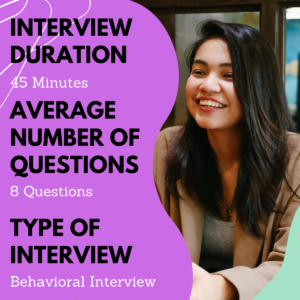
In the Amazon job interview, you will be asked around 8 job interview questions during a 45-minute interview. To increase your chances of securing a job offer you will learn the answers to 8 Amazon warehouse job interview questions.

How competitive is an Amazon Warehouse job Interview?

Amazon warehouse is medium in competitiveness

Interview Specifics

Behavioural job interview, last 45 minutes with 8 questions being asked

The key to passing job interviews in preparation and practice, this sounds obvious but is often overlooked, with the average interviewee spending around only 60 minutes preparing for their structured job interview.

During the interview you will have to complete a drug test, take two pieces of photographic identity and sit a short interview.
Job Interview Questions and Answers for an Amazon Warehouse Staff

Can you tell me about you and your warehouse experience?

To answer this interview question highlight 3 key selling points; the amount of experience you have working in the warehouse sector, any relevant qualifications (FLT license, NVQ in warehousing) and your ability to work within a team.

Start with “I have x years warehouse/picking/laborer experience…” or “I have just recently finished education studying X….”

Next, detail any relevant knowledge or strengths ‘…while working at X I was responsible for collecting orders accurate to the delivery note, checking for damage to products and palletizing the goods ready for dispatch…’

End with a selling point ‘…I also have a full fork lift truck license which means I can work both in the yard unloading vans or in the main warehouse…’

What do you know about Amazon and our values?

Research is key here. This question is asked to see if you will feel proud to work for Amazon.

Search for Amazons ‘about me’ page on their website for all their history but more importantly, look at Amazon’s vision and values.

‘I love Amazon, I’m a prime member. What I like is how Amazon value the customer experience. I am also customer focused, this is what motivates me. when picking orders I would do my upmost to get each order accurate, as I wouldn’t want to disappoint any of our customers.’

How does a member of the warehouse team fit in with the team approach to customer satisfaction?

For Amazon, customers come first.

To answer this interview question think about all the different cogs of the organisation and how by getting a parcel out on time affects the whole customer experience gaining loyal customers.

‘A customer who gets the product they requested for at the time they need it will become a repeat customer. This is why the Amazon team need to work together. If for example the marketing team promoted next day deliveries, but the warehouse staff were behind on orders the customer would be dissatisfied. What everyone needs to do if work together for the benefit of the customer.’

How do you ensure the correct goods are sent on time to the correct customer’s address?

With customer service being one of Amazons key values, every process and procedure relates to this key aim.

The interviewer, here, is checking that the interviewee knows the importance of double-checking delivery addresses.

Give a 3 step process;

Step 1 review the order,

Step 2 double-check the order

Step 3 use the Amazon scanners to confirm the address.

Add a bit more meat to the bones, here but this will give you a good framework.

‘When I receive an order for picking I first check the order; quantity of goods, delivery due date and the customer address. Once I have picked the order I will double-check the I have the correct goods before I package the order. Before, sending to dispatch I do a final address check to ensure I have the correct label. The final check comes from using the Amazon scanners that triple checks the accuracy.’

What is the maximum weight per package, you can pick up by hand?

Health and safety is key in the warehouse industry.

At the time of writing the H&S at work act, states that unassisted lifting of parcels can not be heavier than 25kg.

Within this answer explain how you are aware of all H&S work act regulations and how by following these you have never received an injury.

‘As I have previous warehouse experience I ensure I follow all health and safety procedures. When moving any goods above 25kg I will use a pallet truck, trolley or, for heavier loads, a fork lift truck. As well as keeping myself safe, using lifting equipment also ensures the there a lower risk of damage – as a i dropped parcel can damaged the goods.’
What process do you use to remember where a large number of goods are located in the warehouse?

Amazon has a huge warehouse, therefore, it is key to have a good memory to know where each good(s) is located.

Give an example of working in a similarly sized warehouse, explaining the process you used to remember the location of goods.

‘In my last role at X company, they had a large warehouse with multiple goods that needed packing on a daily basis. For this role it was important to know where all the key items were stored. Initially, when I first started, I wrote down which isle the most popular items were stored, allowing me to learn quickly where these goods were. For other items, I spent time reading the storage system, which was an alphabetical system, to memorize where goods were kept.’

What would you do if you had a spillage in the warehouse while having a deadline to dispatch a large number of goods?

This can be seen as a tricky question but really the answer is simple.

If you leave a spillage other employees could have accidents that lead to delays and/or injuries.

After explaining this, talk about how you would ask a colleague to support you with the dispatch deadlines while you cleaned up the spillage (informing your manager of the incident)

‘If I had a spillage while working on an order, I would first cordon off the area as slips, tips and falls are the number of injury in warehouses, which can cause additional delays. I would inform my supervisor and ask if they wanted myself or someone else to see to the order whilst I dealt with the spillage.’

Why are delivery notes so important?

Without a delivery note, the driver would not know what they are taking and to where. Explain how a delivery note is the instructions to ensure that a customer remains happy by receiving the goods they ordered on time and to the correct address.

‘After packing orders that are wrapped on different pallets to be distributed to warehouse across of the UK I double-check the order; stock quantities, addresses and which pallets are required for each delivery truck. Once I am happy with accuracy and pass over the delivery notes to the drivers to tick of each pallets as it is loaded on the truck. This process reduces the risk of good being sent to the wrong address, creating customer delays.’

What would do if you suspected a colleague of stealing goods?

If you have an example use it here. If not explain that you would report any suspicions to your supervisor.

‘If I suspected a thief or had seen any suspicious activity I would report this straight away to a superior. This allows the supervisor to investigate before making a decision on what they need to do next.’

Do you have any questions for me?
Good interview questions to ask interviewers at the end of the job interview include questions on the company growth or expansion, questions on personal development and training, and questions on company values, staff retention and company achievements.

‘What mandatory training do I get once I start a position with Amazon?’

‘Is there any support around internal progression for new staff members?’

‘What are the busiest times of the year?’

‘How are Amazons values imbedded into the processes used by warehouse staff?’

‘Does Amazon project an increase in customer growth and how will that affect this warehouse?’

Conclusion 

You can prepare for your job interview, by predicting the job interview questions, which then allows you to easily prepare your job interview answers.

Each job interview answer must highlight your unique selling point, which needs to be spoken in a confident manner.

10 Job Interview Questions and Answers for a Restaurant Manager

10 Job Interview Questions and Answers for a Restaurant Manager

Restaurant managers ensure that restaurants operate efficiently and profitably while maintaining their reputation and ethos – this should be the basis of your interview.

Job Interview Question 1: 

“Tell me about yourself?”

This question asked at the interview start, gives you the opportunity to deliver a short statement about your restaurant management experiences and skills relevant to the job position you are applying for. Keep this statement positive and relevant and when you can discuss your unique selling point. 

  • Start with a “selling” line that will highlight your main management strength and your restaurant achievements – this could be turning a failed restaurant into a highly profitable business or you could have helped the restaurant become a chain. 
  • Discuss your unique selling point as this creates intrigue 
  • You want to interest the interviewer and get them to want to know more about you
  • End this answer with a reason why you’re looking for a new job

Potential Interview Answer 

“I’ve been working as a restaurant manager for 8 years. I have a great understanding of how to market a restaurant to the public, with me being responsible for turning a failed restaurant into a highly profitable business with a 12 month period. My innovative marketing techniques have increased profits by 25% year on year for the past 3 years. I am now ready for a new challenge and with your company having a great reputation, I believe this is the opportunity I have been waiting to apply for”

    Job Interview Question 2: 

“Why did you leave your restaurant?”

Be positive with this answer and smile – employers like to hear that you left for a good opportunity or reason, a chance to do something special or for a good career move.

  • Start the answer with a look back at your management experience 
  • Explain what you enjoyed about your previous role as a restaurant manger 
  • Give a Positive reason for leaving

Potential Interview Answer 

“I enjoyed working at Company Name and really enjoyed the interaction of working for a company that was committed to the customer experience. It was a hard choice to leave but I felt that this great opportunity is the next obvious step for me

Job Interview Question 3: 

“What is your approach to strategic planning and day-to-day management?”

Here the employer is looking for your management style and often they are checking if you are organised and can manage the pressure of the job. Simply explain how you approach task, how you plan your time and how you achieve results.

Potential Interview Answer 

“In all my roles I have been involved in the strategic planning of the restaurant. I first look at the restaurants objectives and brain storm how I can achieve these desired results with the available resources. Once I have formulated a plan I break this plan down into segments, creating milestones, time-frames and delegating responsibilities.” 


Job Interview Question 4: 

“What is your approach to analysing and planning restaurant sales levels and profitability?”

If you are highly successful in this area you need to discuss your secrets and a new employer will be blown away with your answer and will be more likely to hire you. Every restaurant owner needs a manager who can increase profit. To boost your answer quote figures and percentages.

Potential Interview Answer 

“In my last restaurant I was able to double the profits within a 6 month period. The secret of my success was the co-operative approach with the head chef in the planning of menus and events. Also I would reflect on each project and ensure that we met our targets checking on what worked well and how we can improve the profits of each week, event and session” 

Job Interview Question 5: 

“How do you manage employees who work part time?”

Many restaurants hire part time staff. Employer asking this question will most likely have negative experience where staff don’t turn up for shifts  or don’t meet the high standards of the business. You need to explain your approach to staff recruitment, retention and staff development.

Potential Interview Answer 

“The secret to managing staff is in the initial recruitment stage. I use strength based interviewing to ensure I hire staff with good work ethics. As new staff start I pair them up with an experienced mentor to ensure they learn from members of staff I trust. I offer support and training to all my staff and have a “door open” policy”

  Job Interview Question 6: 

“How would you be an asset to us?”

Think again about the job specification and the skills needed for this role. Have a paragraph prepared highlighting how you will be able to do the job and what you can bring to the team. It goes without saying that this paragraph should be positive.

Potential Interview Answer

“I’m the type of person who likes to get a task completed; I am driven, hard working and have excellent time management. I have worked in this industry for 8 years and have made excellent contacts and built good working relationships to will be of advantage to any employer who employees me”

Job Interview Question 7: 

“What are your strengths?”

This is one of the most common questions you will be asked. Give an answer relevant to the skills and qualities relevant to the position you are applying to. The interviewer is trying to find if your strengths match the job. For example, if you are applying for a job where accuracy is an important issue, one of your strengths could be that you have an eye for detail. It may useful to find different words to describe similar attributes and qualities in order to avoid repetition.

Potential Interview Answer

“I have often been told that I have an eye for detail and that I am very accurate and precise. This was very important during my last role where I was responsible for the restaurant accounts as well as the day to day management of the whole restaurant”

Job Interview Question 8: 

“What are your weaknesses?”

Again, another commonly asked question. A frequent mistake to make when answering this question is to say something negative like “I can sometimes let things get on top of me”. Be positive and sell yourself with every interview question, turn a negative into a positive. For example,

Potential Interview Answer

“In the past when I first got into management, I felt I needed to improve my accounts skills. To develop myself I self funded an accounting course. This paid of as I soon learnt how I could use this knowledge to save the company money on overhead cost. This is my approach to weaknesses, I first recognize them before taking action to develop myself”  

This will show that you can identify your weaknesses but at the same time, you are willing to improve. Most importantly: do not mention a weakness that is any way related to the job you are being interviewed for! This might sound obvious but it is a common mistake!

  Job Interview Question 9:

“Do you know anything about this organisation?”

Often one of the first questions you will be asked during the interview, employers want employees who will stay with the company, this question and answer will show the employer that you know the company’s history and feel they will be a good employer to work for.

It also shows the employer that you think ahead and carry out research. Answer this question with:

  • The length the organisation has been operating for.
  • How the company started
  • The restaurant style/customer base 
  • All this information is normally found on the internet; on the company home page or about us page.

Potential Interview Answer

“I know a great deal about your organisation, before I applied for the job position I researched the company. I really like how the company started as a partnership company 10 years ago and has grown to a company of 70 staff working throughout 18 countries.”

Job Interview Question 10:

“Do you have any questions for me?”

Good interview questions to ask interviewers at the end of the job interview include questions on the company growth or expansion, questions on personal development and training and questions on company values, staff retention and company achievements.