Do you know what you want to be when you grow up?

DO YOU KNOW WHAT YOU WANT TO BE WHEN YOU GROW UP?


Do you remember when you were 10 years old and knowing what you wanted to be when you grew up? As you got older your ideas probably changed – maybe you went to college or university or you started your own business. The question is, if you had your time over would you do anything differently? If not, that’s great! But if so, then read on because what you need to take are the 6.5 career steps to discovering what you want to be when you grow up…

The 6.5 CAREER Steps

C is for Confidence

The number one reason most people never pursue their dreams is a lack of confidence. Therefore this is the first place to start before doing anything else. I’m not saying you can’t do anything until you’re super-confident but I am suggesting you work on your confidence whilst working though the other steps. There are several ways you can do this – read books that will encourage confidence, write down all your successes each week (no matter how small!) or hire a coach to help you! The important thing here is to start – the greater your confidence, the greater your chance of achieving your passion.

A is for Assess

In order to know where you’re going, you need to know where you are. Spend time giving yourself a SWOT analysis – it’s important to identify your strengths and weaknesses as well as acknowledging the opportunities and threats a change of direction will bring. Be brutally honest with yourself and remember this no time for false modesty! Another great exercise is to set a goal for yourself – what exactly do you want; a promotion? A career change? To be self-employed? Don’t go any further until you know what it is you’re looking to achieve and a clear understanding of how well placed you currently are to achieve it.

R is for Research

So now you have a clearer idea of what you want and believe it is achievable. Great! Now comes the research. You’ve identified what you want to do but does it require any specific skills or experience? Is there a particular qualification you need? Can you do it where you currently live or will you have to move? Research doesn’t have to be boring – there are some excellent online resources to help you such as LinkedIn discussion groups, blogs like this one as well as university and library websites. If you really can’t face doing the research yourself, why not use a site like Fiverr or Fivesquids and get someone else to do it for you?!

E is for Education

Education is important and for some careers and jobs, it is necessary to have particular qualifications. However, it is a mistake to view education as an obstacle to be overcome – it’s really just a way of giving people information and knowledge about a subject that they didn’t have before. If the idea of learning puts you off doing what you really want to do, you need to find a different way of learning it! There are plenty of ways of learning from the traditional classroom environment to self-study online. There are also many opportunities to study whilst working full-time, check out part-time, evening and online courses. Recognise education for what it is – it’s to help fill in a knowledge gap and should be fun!


E is for Experience

Ironically, those who don’t worry about their education do worry about their experience. This can be partially dealt with by recognising that the only difference between those with experience and those without is time. However, quality is sometimes far more useful than quantity. Which would you choose – an ‘expert’ with 10 years’ experience who produces mediocre results or someone who has been doing it for a year but produces excellent results every time? So if you have little experience under your belt right now, go out and get it! Time will pass regardless. If you’re not sure where to look then volunteering is a fantastic place to start – it allows you to try things without committing your mortgage to it. Check out do-it.org.uk for opportunities in your area.

R is for Reflect

Look back on what you have learned so far. What has been the most useful part of the process? What would you have done differently? Did anything get missed out? Spend time reflecting on each of the previous steps and what worked for you and what didn’t. Keep the bits that did, change the bits that didn’t and refine the model until it is just right for you.

S is for Skill set

It’s important not to become complacent. You see, it’s not enough to complete the 6 steps once and think that’s it. The steps are designed to inform, empower and place you in the best possible position to know exactly what you want and how to go out there and get it. But things change. What is right for you now may not be right for you in 5 years’ time. Therefore it’s important to view these steps as cyclical rather than linear – revisit them constantly, update your skillset and make a commitment to yourself to never stop learning.

If you follow these steps you will be in a strong position to know exactly what you want from your working life and the best way to take the actions that will make it happen. The best bit is that you can change your mind as often as you like because you have the tools, knowledge and belief to know that whatever you decide you can make it happen. Have fun with it – when you were little it was exciting to imagine all the different things you could be when you were grown up. Now you have the chance to make it happen – what could be more exciting than that?!

If you enjoyed this article you will also enjoy reading:

The UK’s 5 Most Valuable Business Degrees

The UK’s 5 Most Valuable Business Degrees


This weeks guest post comes from Karen Smith

With the tough competition for jobs these days, the importance of education is becoming clearer and clearer. As bad as things seem economically, if you look behind the top-line employment numbers, you see that it’s the uneducated who are truly struggling to find work. Those who have completed college degrees (let alone postgraduate degrees) enjoy a far lower rate of unemployment.


One of the most potent items to have on your CV is a business school degree. The corporate world is becoming more complex and impenetrable all the time, and the knowledge gained from pursuing an MBA, as well as the degree itself, can give you the edge. Here, according to the Financial Times globalMBArankings, are the UK’s five best business schools:


1. London Business School


Average alumni salary*: $154,783

Percent employed within three months: 93


2. University of Oxford (Saïd Business School)


Average alumni salary: $134,805

Percent employed within three months: 85


3. University of Cambridge (Judge Business School)


Average alumni salary: $132,758

Percent employed within three months: 82


4. Warwick Business School


Average alumni salary: $118,151

Percent employed within three months: 95


5. Manchester Business School


Average alumni salary: $117,016

Percent employed within three months: 81

Obviously, this list will remain highly aspirational for most of us; elite business schools aren’t for everybody and these institutions are very selective. The larger point, however, is that education remains the key to improving one’s employment prospects. If you’re having trouble finding work, look into the possibility of pursuing an advanced degree. It makes all the difference these days!


*All salary figures are based on pay three years after graduation, and given in US dollars.


Karen Smith is a versatile freelance writer who often writes for onlinebusinessdegree.org. While her writing focus is trends in small business, she also enjoys writing about the challenges of parenting, continuing education, health, and more. Karen welcomes comments below!

If you enjoyed this article you will also enjoy reading:

The Cost of Your Career

The Cost of Your Career


This months Guest Blogger is from Maria Rainier is a hardworking freelance blogger


In case you haven’t noticed, going to university isn’t cheap.

In fact the price for university admission just keeps rising and rising, making higher education a less appealing option for students and families suffering from financial strain. A recent piece from The Telegraph details just how dire the situation is for youths who want to enroll in university over the next few years. The article explains just how high tuition costs are skyrocketing, with many university fees coming close to £9,000, not to mention the other expenses that come with attending university. That’s quite a jump considering not long ago fees for tuition cost around £3,000.

Needless to say, if you’re a student attending university, you should try your best to make every day count. Moreover, you should make every class, every assignment, and every single study session count. Because the time you spend at university may very well translate into the successes or failures of your future career. You can graduate and go on to begin a lucrative career as a young professional, or you can graduate and feel like you didn’t get anything out of the entire university experience. It’s up to you to choose how to spend your time.

I’m writing this to help guide you through the decisions you make in university, to make sure that you get the most out of the money you spend on the experience. Let’s take a look at what you should do to optimize your learning, shall we?

Choose a viable career

This point seems obvious, but hear me out. This post is meant to address university students and hopefuls with clear career ambitions, those who yearn to achieve professional and monetary success. If those are the things that you want out of career, then you need to aim for industries that are booming at this moment, those that offer the most jobs with the most room for upward mobility.

A job in engineering will likely yield more rewards over time than an academic post in the humanities, for example. That’s not to knock academia, of course, I’m just stating the facts: engineers have a better shot at a long and developed career simply because they’re in higher demand. If you want a successful career, you’re better off choosing among professions that offer a higher chance of success, no?

Choose courses that teach skills necessary for your career ambitions

Hopefully you’ve chosen a career path before you even entered university so you can devote most of your time to it, but sometimes it takes quite a while for students to sort out what profession they want to pursue. When it comes to classes, choose wisely: you want to take advantage of the little time you have to study what interests you at university, because it’ll be over before you know it.

My rule of thumb is that you should take courses that closely correspond to your desired career, preferably those that offer a hands-on education in whatever industry you pursue. Theoretical knowledge is necessary to a sound education, but you want to make sure that you learn enough practical skills in college so you can market your talents on a CV after you graduate. You want to show your potential employers that you have the applied skills of an entry-level professional if you ever hope to be hired in this shaky economy. The more of these skills you get out of college, the better you’ll look once you’ve graduated.

Maria Rainier is a hardworking freelance blogger who dispenses online education advice and useful data for students, instructors, and parents interested in the online education industry. Please share your comments with her below!

If you enjoyed this post you will also enjoy reading:

How to Answer the “How are you feeling” Interview Question

“How are you feeling” Interview Question – the best approach to answer this interview question

Many interviewers will ask some mundane questions at the interview start, to get you talking and relaxing.

Many job applicants will answer these questions with a ‘yes’ or a ‘no’ answer, without realizing that they are missing out on a chance to influence the interviewer. This isn’t a closed question and shouldn’t be answered with a one-word reply.

A common opening question is “how are you feeling?” most applicants will say “a little nervous..” but to influence the interview you can edit the example answer below to make it relevant to your own experience and job sector

What is different about the answer below is that the answer is full of hypnotic persuasion techniques to help build rapport with the employer.

“I feel really excited about being here today, I don’t know if you want to recruit someone like me with a qualification in X or experience in Y, but you will want to hire someone with my enthusiasm as I am often told by previous bosses “that I’m a dedicated worker who go’s above and beyond the call of duty” for me, I don’t see what I do as going above and beyond I just enjoy what I do and I want to use my enthusiasm and experience to collaborate with success with you and your team”

If you can’t see the hypnotic patterns then you will want to buy the influencing the interview book from Amazon today. For now I have highlighted a few of the hypnotic patterns below.

I haven’t got the time to explain which pattern is what or how to use your voice to package the hypnotic commands, but the book – influencing the interview will explain everything you need to know.


“I feel really excited about being here today, I don’t know if you want to recruit someone like me with a qualification in X or experience in Y, but you will want to hire someone with my enthusiasm as I am often told by previous bosses “that I’m a dedicated worker who goes above and beyond the call of duty” for me, I don’t see what I do as going above and beyond I just enjoy what I do and I want to use my enthusiasm and experience to collaborate with success with you and your team”

If you enjoyed this article you will also enjoy reading:
 

Job Interview Questions

Job Interview Questions


The basic technique for interviewees is to predict the job interview questions. Once armed with the questions you can plan your killer answers. To get you started we have listed some very common interview questions, your job know is to write the answers relating to your experiences and personal skills.

  • Where do you see yourself in 10 years?
  • Tell me about your ability to work under pressure.
  • What has been your greatest accomplishment?

Over 60 interview questions and answers

  • What is your long-term goal?
  • Why are you a good communicator?
  • Do you consider yourself to be a good manager?
  • What is your definition of great customer service?
  • Describe a time when you dealt with conflict.
  • Why did you leave your last position?
  • How would your co-workers describe you?

Tricky Question, Killer Answers

  • How would your manager describe you?
  • Are you a team player?
  • What is your philosophy towards work?
  • Can you work well under pressure?
  • How do you manage projects?
  • Do you consider yourself successful?
  • Give an example of when you have had to work alone
  • How do you motivate people?
  • Have you ever delivered a presentation?

You have the question, do you need the answer?

  • Describe a situation you took full responsibility for a project
  • How do you define success?
  • What motivates you to do your best on the job?
  • How do you establish a working relationship with new people?
  • How long do you expect to work for us?
  • What are some of your expectations of your future employer?
  • How do you handle that stress?
  • Describe a work-related problems and how you solved them.
  • Do you posses any relevant work experience?
  • Have you ever dealt with an unsatisfied or angry customer?
  • How do you think you will compensate for your lack of experience?

How to answer any interview question

  • Why did you choose your career?
  • How have you changed during your career?
  • How do you approach challenging problems?
  • How do you evaluate yourself?
  • How do you ensure you meet sale targets each week
  • If you disagree with your supervisor on an important issue of the job, what will you do?
  • What do you know about our company?
  • Do you understand the meaning of equal opportunities sand diversity?
  • How to answer tricky interview questions    
  • Tell me about a suggestion you have made and the outcome from this  
  • Tell me about a time that you contribute to a team activity
  • What is your main career aim?
  • How can social media websites promote our business?
  • What was the most useful criticism you received? Who was it from?
  • How would you describe the pace at which you work?
  • Describe a typical work day.
  • What amount of money are you worth?
  • What has disappointed you in a job?
  • What would your previous supervisor say your strongest point is?
  • Are you willing to travel?

How to answer tricky interview questions    

  • What do you feel about diversity in the workplace? Do you think it is important?
  • Do you consider yourself overqualified for this position?
  • Do you know anyone who works for us?
If you enjoyed this article you will also enjoy reading:
Interview Skills

Interview Skills


I wanted to share an e-mail I recently received regarding getting out of tricky interview questions on experience for applicants with little or know job experience


Hi Chris


I was really impressed with your influencing the interview book, there are so many exciting techniques hidden that after I read it for the second time I found more techniques that I missed the first time round. At the book end, you said that the reader can contact you with any questions. My question is; I’m a graduate and I will be applying for positions where the competition is vast and I know applicants with more experience then I will be applying, what language pattern would you recommend using to get around the question “tell me what experience you have in this sector?”


Thank you so much I look forward to your reply


Michelle


Hi Michelle


Thank you for your e-mail, I agree competition for positions is vast and as an applicant with little or no experience, a question around your experience is daunting.  First the employer will know from your application the extensiveness of your experience and they have still invited you for an interview, which means you have recorded a key skill or value that the organisation deem important.


In the book we discussed using sales psychology in the job interview and using embedded commands which I have incorporated into the example answer below. You could also use a reframe “I have experience in this sector, but it’s not just about having experience down on paper, what’s more important is the impact you make and the value you add to team, at X company I A, B and C…”


“As someone who is passionate about (job sector) I decided while at university I would gain as much experience as I could, which I found highly beneficial. I recently worked for X company and was part of team working on X project, where I was responsible for X, Y and Z (add facts, figures and real stories here as explained in the book). A lot of people on my course preferred to study and party but for me instead of getting my kicks from partying, I really enjoyed working in a role that I’m passionate about and what was really exciting was being able to put the theory I learnt at university into practice. As you can probably imagine, I have a vast amount of knowledge, experience and passion that I can bring to your organisation, and as I am experienced (or knowledgeable) in X, which as you can imagine would be highly beneficial on the new government contract you have just won, as both projects rely on XXXX (add skill, knowledge or experience)”


So what you need to do is pick a key experience and chunk down – talk about the specifics and how it relates to the organisation you are applying for.  This way they will soon forget or may generalise that you have more experience then you have.


Don’t fall into the trap of saying “oh, I only have a months experience in X” this negative line won’t get you anywhere, skim over the time period and talk about the value you add to the project/company and then relate it to the position you are applying for.


Hope this helps and good luck


Chris

If you enjoyed reading this article you will also enjoy reading:

NLP Mind Tricks for Job Interviews

NLP Mind Tricks for Job Interviews


With a few well chosen words can you can take people inside themselves making them think about what it is you want them to think about. In a job interview situation, you will already agree by influencing the interviewers thoughts making them think about you being the best person for the job has all kinds of hidden power – and I was just wondering, if you possessed the skills to use hypnotic language patterns in job interviews, how many ways you could use these techniques to your advantage?


Erickson (a famous hypnotherapist – his work was modeled and adapted by John Grinder and Richard Bandler for NLP) used hypnotic and persuasive language patterns in his work to ensure his clients followed his suggestions. The same language patterns that were used to hypnotize people can be used in the job interview and you are probably already thinking about the hundreds of ways you can use these same techniques to get the results you desire.


An NLP Double Binds – offer choice where there is no choice.

When using a double bind you need to first think about your outcome – what you want to achieve. With an outcome in mind, you can offer a choice to a person which makes that individual think they have two options when both choices, in reality lead to the same end result.

Examples:

You can read all the examples or just one or two?

Example One: would you like to read the report in full or just skim through it?  Desired outcome to get the person to read your report

Example Two: In the next few minutes or right now, you can start to think about the project we discussed yesterday. Desired outcome to get the person to start thinking about the project

Interview Example: “I don’t know what you consider to be a success? The profit I increased in my last position or the quality awards I won for the company? You might consider doubling the turnover as a great success or you might agree with me, that increasing repeat business will establish a lasting increase in profits for the years to come. The way I XXX was A,B and C…..and that’s what I consider my greatest success to date”

In the interview example we were able to cover more then one base; increasing profits, doubling turnover, increasing repeat business. This a great trick to use when you don’t yet know what the employer deems important – when discussing the options you can learn to read the employers body language which means you can end your answer talking about the thing the employer is most impressed with.

Many people feel intrigued when reading techniques on influencing people, especially if they have been designed to double or triple your wage through passing more job interviews. As you have been reading this article, taking in the information we provided you can already feel yourself wanting to know more, which means you will want to read how to Influence the interview – using psychology, NLP and hypnotic persuasion techniques.

If you enjoyed this article you will also enjoy reading:
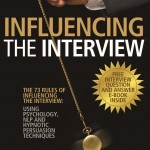
How to Win at Job Interviews

Discover the 73 Rules for Influencing the Job Interview these are the most powerful techniques available to you the job interviewee


  • Discover How to use Psychology to turn the interviewer into your puppet – to be controlled and influenced by you
  • Uncover the dark secrets of Sales Psychology, turning your expertise into a desired product
  • Learn how easy it is to Hypnotise the employer with just a few well chosen words
  • Command job offers using NLP techniques designed to gain compliance, to build rapport and at the extreme to manipulate others
  • Mind read the employer – understand what makes them tick, create strong bonds and hear what the unconscious is saying


Dear Frustrated Job Hunters….

How does it make you feel, when you know you have the experience and skills to do the job you have just been interviewed for, only to be turned down yet again for a position you can do with your eyes closed? Do you get annoyed or frustrated, when you get that ‘sympathetic’ call saying “you only just missed out…but try again next year”

The Interview Myth 


  • Myth one – ‘300 applicants apply for every position’ This was true 10 years ago, these days around 2000 applicants apply for every advertised position 
  • Myth two – ‘The best person gets the job’ in reality the interviewer does miss out, because you don’t know how to sell yourself so the employer is forced to recruit a less talented but better interviewee 
  • Myth three – ‘there are no jobs’ A recent government paper stated that there are more jobs then unemployed people, but employers won’t recruit anyone, they will only employ you if you perform well at the interview 


What You Are About to Uncover Will Increase Your Career Success But these Techniques have been taken from the Dark side of Manipulation and Persuasion 


  • One simple trick to turn yourself into an irresistible product that every employer will want giving you the power to play organisations against each other
  • Amazing methods to eliminate any interviews fears and to turn every interview into your best performance, this way you are always seen at your best, impressing each and every interviewer
  • Create an aura of power, use hypnotic and NLP language to influence, control and manipulate the interview; interviewers will have a desire to recruit you but they won’t know why
  • Turn other interviewees into nervous wrecks by destroying the competition and turning yourself into an object of desire – the employer will only have one choice, to offer you the position 
  • Six sneaky interview tricks to give you the upper-hand over other interviewees while at the same creating a long lasting impression that can only highlight your positive characteristics
This book has been written by a Qualified Careers Advisor, NLP Practitioner and Hypnotherapist, he has put all of his knowledge, skills and over 10 years of experience supporting people like you into employment. He has taken the best from NLP, Psychology and Hypnotic Persuasion and made it relevant to the job interview. You will be armed with 73 rules to influence the interview.


Advanced Interview Techniques 

 
The book covers so much that we don’t have the time or space to record it all here. At the interview the successful interviewee who acts confidently, will come across as an expert in their industry or job role. You will possess the skills to read the employers, which gives you the power when knowing which line of answers is going to work best. The successful interviewee can build rapport, creating a strong bond from the initial handshake induction to the final question, throughout interview you will present your answers using the secret structure for interview answers that we have record in this book, ensuring the employer knows how you can add value to their organisation.

YOU WILL LEARN:

  • The Dark Side of Sales Psychology 
  • How to Be an Industry Expert
  • Commanding Confidence
  • Sneaky Interview Tricks
  • Mind Reading 
  • Persuasion through Personality
  • How to Present your Interview Answer and Presentation
  • The Interview Arrival  and First Impressions
  • Rapport – the key to success
  • Winning Job Interview Techniques

Imagine you could Learn the skills to win your next, how would this make you feel? If you had the power to influence your next interview outcome – what job would you apply for, one that is double or triple your current salary?


The book has been designed so it can be read in one day, which means if you buy this book today, by tomorrow you will already have the power to really influence others. The author has used a mixture of stories, anecdotes, step by step techniques and psychology experiments explained while embedding the 73 rules into your subconscious with minimum effect, to teach you how influence your next job interview.

THESE SAME TECHNIQUES CAN BE USED IN ALL AREAS OF YOUR LIFE


  • To stop being conned and influence by sales people, marketing and advertisements – this alone will save you thousands each year
  • Gaining the confidence to ask out people you fancy, to deliver killer presentations or best man speeches 
  • Building stronger relationships with friends and family through a deep understanding of their personality
  • Understand what makes people tick and what motivates them; read body language and eye accessing cues 
  • Boost your ability communicate with anyone by gaining a deep knowledge of how individual people represent their world and how you use words that hit home – maximum influencing skills 

All this Power to Influence, Persuade and Manipulate Your Next Interview….. and anyone in any situation 

 
Before you decide you want to buy this book, this book does come with a warning. The techniques in this book are highly powerful and easy to learn, you will be mastering how to use hypnotic language patterns, you will have the skills mind read and a vast range of techniques to basicly get what is you want. When you buy this book today, you have to control your new power – use it for good not evil, as the techniques you want to uncover have been used throughout history by master influencers from Casanova to Derren Brown, by kings, politicians, pick up artist, courtiers, sales people and business leaders, which means these techniques will get you results.

THE BEST OF – NLP, PSYCHOLOGY and HYPNOTIC PERSUASION TECHNIQUES all in one easy to read book


  • Fast Phobia Cure
  • Eye Accessing Cues
  • Hypnosis – taking the interviewer into a light trance 
  • Hypnotic Language Patterns
  • Confidence Building Techniques 
  • Creating Your Success State
  • Understanding What The employer Desires 
  • Sales Psychology
  • Building Rapport 
  • Becoming an Industry Expert
  • Understanding Body language and Handshakes 
  • Creating a Compelling First Impression
  • Structuring your Interview Answers  
  • How to Turn the Interview Around
  • Re-framing Negative Opinions 
  • One to one Interviews, Group Interviews and Presentations
  • Memory Palace Technique to remember high numbers of facts and figures  
  • Creating a Memorable Performance
  • Modelling Success 
  • NLP Anchors
  • Predicting Interview Questions 
  • Changing Your limiting Beliefs
  • Energising the Interviewer 
  • Embedded Commands, Yes Sets and Double Binds (Hypnosis and NLP Milton Model Techniques)
  • Boosting Your Interview Performance… and so much more
You are probably already thinking about all the ways you can use the techniques from this book to increase your job offers, but have you thought about this? If you have the power to influence your next job interview why not go for a job with DOUBLE YOUR CURRENT SALARY? How would it make you feel if you could double or triple your current wage, what would you buy with all this extra cash? The questions is – how many different ways would your life change if you brought this book and increased your wage?


What Are Others Saying About This Book? Would you Recommend this Book?

 
“Chris Delaney is a passionate and skilled adviser dedicated to helping people reach their full potential. In this book he provides some excellent tips and advice to help people excel in interviews. It is not enough to know what to do in stressful situations; we also need to know how to behave. This essential step is explored fully by Chris and it’s what makes this book a valuable addition to the process of interview preparation for all”


David Hodgson, best-selling author of NLP based books including The Buzz and The Little Book of Inspirational Teaching Activities.


“In these days of reduced employment opportunities, this book redresses the balance in favour of the candidate.  With 73 Rules to use, any ambitious job hunter has a veritable armoury of resources to advance their successful career”


John Donaldson, Founder of Positive Input and author of Young Survivors Guide to Money

WHAT TO DO NEXT?


BONUS – Buy this book and receive a FREE COPY of the ‘tricky questions, killer answers – over 60 interview questions and answers’ best selling e-book, worth £9.99.

Buy this book today, all you need to do is click the image below and you will be automatically taken to Amazon 


Hypnotic Language Patterns in Job Interviews

Are you Intrigued about using Hypnotic Language Patterns in Job Interviews?


The aim of the job interview is to get the employer to visualise you in their mind being successful why you are working for them, in this sense we need to take the employer inside themselves, creating a day dream state through the words you use in the job interview. Once they imagine you being a successful employee, they will get a gut feeling about you – “I know this is the guy for us, I don’t why but I just know”

By using hypnotic language patterns and VKA words (which you have learnt about in previous articles or from the influencing the interview book) you can create positives images for the employer to use.


  • Common Interview Question: “what are your strengths?”


Interview Answer Embedded with NLP Hypnotic Language – 3 examples  


  • “As a teacher my focus is on the pupil’s achievement and I know from my research that the school also has a focus on achievement and the pupils distance travelled. I use a mixture of learning styles to increase student achievements and in my last school I increased the achievement outcome by over 10% you can probably imagine me increasing your success rate using the same techniques. To answer your question I would say that my ability to use a mixture of learning styles, that you can see increase the results of your pupils, often by moving each student up a grade is a key strength of mine.”
  • “A key strength of mine is my ability to plan and organise – I’m a details type of person, which is good because this position requires someone like me who loves accuracy, details and facts. You can imagine that I’m the type of employee that’s ensures precision, I am always told by previous employers “that every task I complete is always delivered to a high standard” if you want someone who dot’s the I’s and crosses the t’s and you feel that accuracy is important to you, then I can imagine us working well together, so overall my number one strength is my ability to deliver highly accurate work, in a planned and organised way”
  • “Well, I’m a people’s person, when I meet people they feel a deep rapport building. I’m a great listener, people find it natural to like me, they don’t know why maybe because I am friendly and professional or it could be because I’m naturally good with others, but people just feel relaxed with me, which allows them to open up. You know, you just get a gut feeling about people sometimes, don’t you? Yes I would say my people and rapport building skills are my strengths”


The key for embedded commands and hypnotic interview language to work is for it to go unnoticed, so, how many hypnotic language patterns did you spot?  Unsure, click here to learn more:


Subscribe to me on YouTube

 If you enjoyed reading this article you will also enjoy reading:

Applying for a Job? Be Wary of Your Social Media Use

Apply for a job? Be Wary of Your Social Media Use


While we might think it’s great fun and a huge joke to post all of the brilliant photos from last Friday night’s antics on our Facebook pages or to Tweet the events of your mate’s party from the other night, those looking for jobs need to be increasingly wary of just what they’re posting.


Not because it will prevent them from getting a job, but because many employers make their first interaction with applicants via social networks now. Especially those based in the digital sectors, who spend all their time using the likes of Facebook, Twitter, Google+ and LinkedIn. It’s not hard to find some people on social networks, especially if they include all the necessary details on their job applications.


Employers can search by name, location, where you went to college or University and find you that way to do some extra background research to establish if you are who you say you are, and if you’re a good fit for the position. Let’s be honest, someone aged 19 applying for a job in a quiet office with employees aged 30 and over, to give an example, who loves a night out every week getting blind drunk with their friends on a regular basis might find that they’re passed over for someone who the firm thinks is a better fit professionally.


Numerous people have also found themselves in trouble with what they’ve posted online via social media. You only have to look at “joke” Tweets and statuses that have, in some cases, resulted in prison sentences or severe reprimands from the police to see just how easy it is for people to see what you post online, and employers – who admittedly won’t put you in prison – can take dim views on what you post, even if it’s Retweets of jokes made by friends.


This isn’t saying that you should become highly professional and abandon your social life and networks while looking for a job, but it may help your career to think about exactly what you’re posting online, who can see it, and what they might think.


A lot of job applications are made as a result of what they see on social networks, so they aren’t all bad from a career perspective. The likes of LinkedIn allow employers to post job vacancies and accept applications, while many other companies will post news about their available positions on Twitter or their Facebook page, linking through to full job descriptions on their own website.


Many people have actually managed to lose their jobs based on what they’ve put on social networks, showing that it’s not only hard to get one if you compromise your chances, but very easy to lose one by posting the wrong thing. If you were to post something along the lines of “another day in a boring job” and your Facebook friend of a boss were to see that, you could well find yourself called into the boss’ office first thing. Similarly, comments about your job, pay, colleagues, anything work-related, could land you in hot water.


Searching for jobs, and getting jobs, is hard enough at the best of times, and while we all might vent our frustrations socially with the aim of getting reassurance or help from our friends and family, sometimes posting your frustrations can only make things worse. Yes, the whole point of social media is to interact with your friends and let them know what you’re doing and how you’re feeling, but with times changing and employers becoming more tech savvy, everything you do online can – and will – be scrutinized.


I’ve heard stories from friends and colleagues who have come in and said that they missed out on a job because of a question they got asked in an interview about something they posted on Facebook. Others have said that a Tweet got them called in front of not only the boss, but the directors of the company to explain what they said.


So what advice can I give you? Continue to use your social media accounts, at the end of the day, they’re designed to be “social” accounts, but adjust your privacy settings if you’re going to be posting pictures of your drunken escapades and scantily clad holiday photos so that the boss can’t see them. Or, if you’re that worried, don’t include your boss as a friend!


If you enjoyed reading this article you will also enjoy reading: