Artificial intelligence has become a key part in hiring decisions. The question job seekers are asking: Are AI interviewers fair, useful, or ethical?
A 2025 study published in The International Journal of Human Resource Management has shed light on this new automated recruitment trend: the rise of humanized AI interviewers.
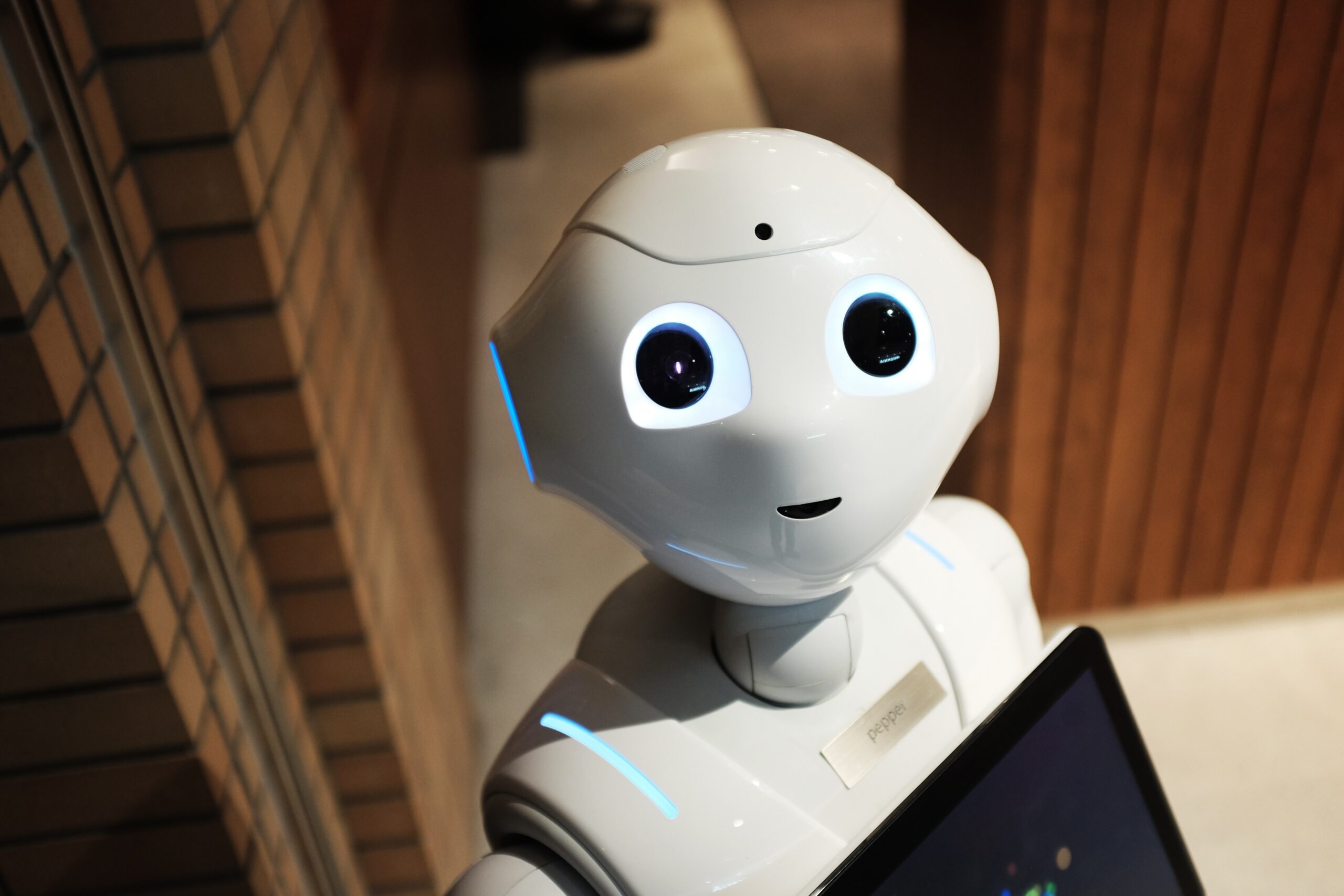
AI interviewers, designed with social and emotional intelligence, are not only changing how interviews are conducted but also how candidates perceive and respond to them.
Empathy in Algorithms: The Rise of Socially Intelligent AI
The study focused on AI interviewers programmed to exhibit “intimacy behaviours”—subtle yet powerful social cues such as empathetic facial expressions, responsive gestures, and conversational warmth.
These behaviours, often associated with human interaction, are embedded into AI systems to simulate a more natural and engaging interview environment.
Participants who interacted with these humanized AI agents reported significantly more positive experiences. They described the interviews as fairer, more comfortable, and less intimidating compared to traditional AI or even some human-led interviews.
This suggests that when AI mimics human social behaviour effectively, it can foster trust and openness in candidates.
Interestingly, previous research has highlighted negative human reactions to AI interviewers due to a lack of the AI’s emotional human interactions.

Improved Impression Management and Candidate Confidence
One of the most compelling findings was the improvement in candidates’ impression management.
When interviewees felt that the AI was empathetic and responsive, they were more likely to present themselves confidently and authentically. This dynamic not only benefits the candidate as they are more likely to give detailed interview answers, but also enhances the quality of information available to employers, potentially leading to better hiring decisions.
Moreover, the perception of fairness, often a concern in automated hiring, was notably higher in interviews conducted by socially intelligent AI. Candidates felt they were being evaluated on a level playing field, free from the biases that can sometimes influence human interviewers.

Ethical and Managerial Implications
While the benefits are clear, the study also raises important ethical and managerial questions.
For instance, how transparent should companies be about the use of AI in interviews?
Could the emotional cues of AI be manipulated to influence candidate behaviour unfairly?
And what happens when candidates form emotional connections with non-human agents?
These concerns highlight the need for thoughtful implementation and regulation. Organizations must balance technological innovation with ethical responsibility, ensuring that AI tools enhance rather than undermine the integrity of the hiring process.
The Future of Recruitment
This research marks a pivotal moment in the evolution of recruitment. As AI continues to evolve, its role in human resource management will likely expand, from screening resumes to conducting emotionally intelligent interviews. We are already aware of the high number of organisations using some type of AI/automation during recruitment projects, as the cost saving behind a fully automated hiring service is a big incentive for employers.
Source: APA PsycNet