
Receptionist Job Interview Questions

50% of all advertised receptionist job positions are part time roles?

This is due to the large scale of reception jobs. With positions being able in a number of job sectors, from education to construction, from finance to the health sector.

Receptionist jobs are advertised throughout the world, with various salaries and responsibilities, depending on the job sector the receptionist role is being advertised in.

How competitive is a receptionist job interview?

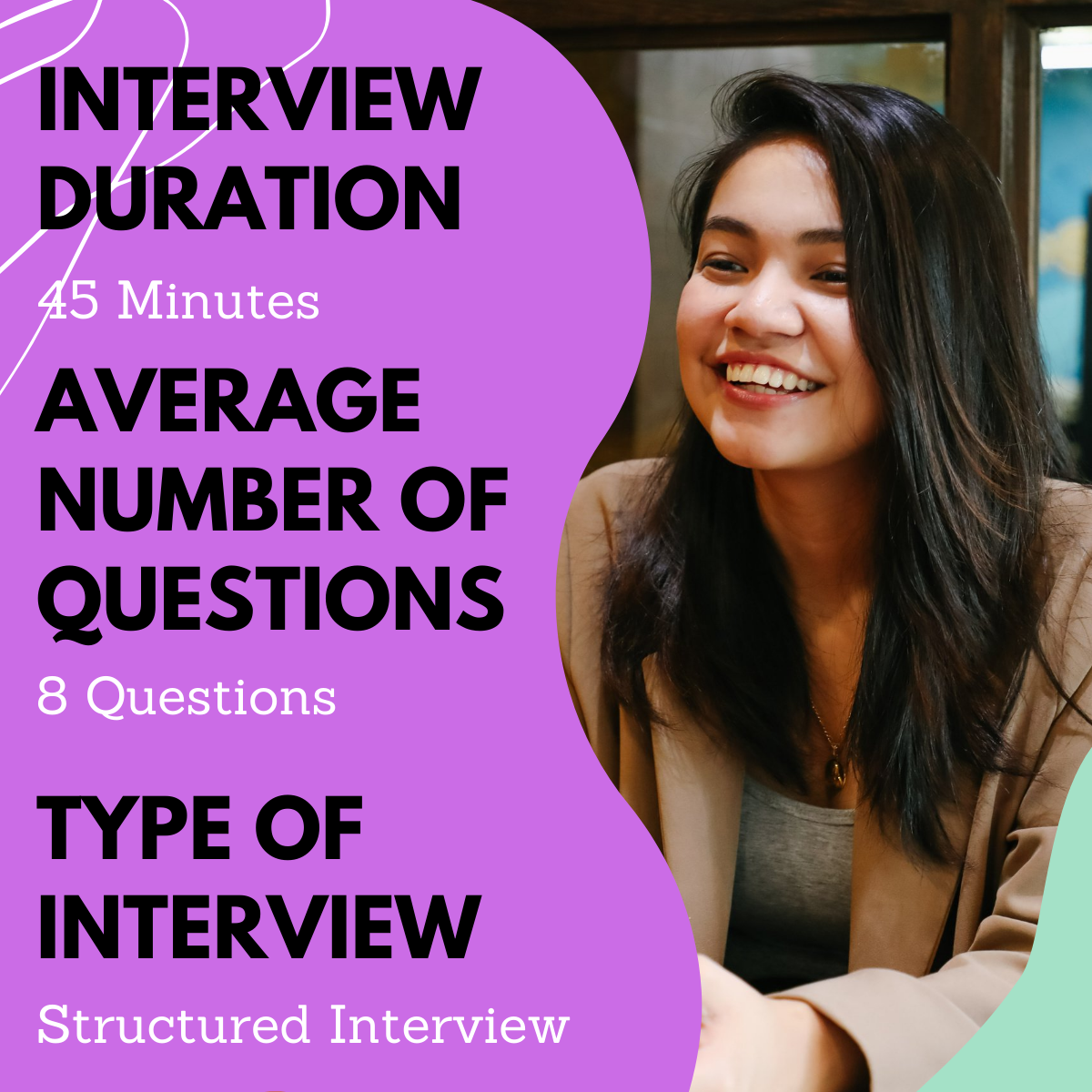
Interview Specifics:
Can you demonstrate the relevant knowledge and experience to pass a receptionist job interview?

  • How to greet visits in a professional manner
  • Data inputting, using a variety of IT skills
  • The process for allocating security passes
  • Answer enquiries in person, by phone and email
  • Experience of booking systems
  • Administrational skills and experience
  • Knowledge of GDPR

Check the average pay for a receptionist job role.

Below is a list of commonly asked job interview questions for a receptionist role.

Each summary comes with an explanation of the interview question and an example interview answer.

It is important to tweak each interview answer template, making it relevant to the interviewee’s own skills, qualities, experience, and knowledge.

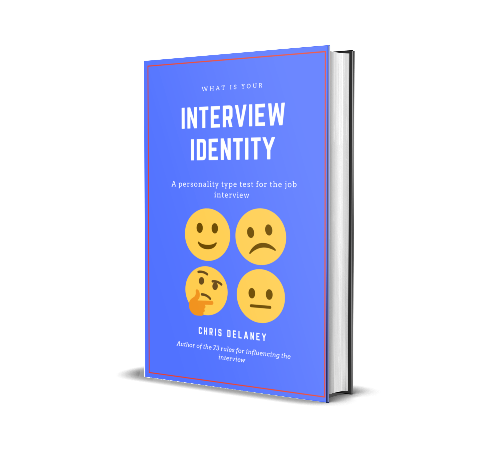
An interviewer’s perception of a job applicant, their interview identity, is made up of the interviewee’s perceived level of knowledge/experience vs their level of confidence during the recruitment process.

The first stage, when preparing for a job interview, is to recognize your own ‘interview identity’.
Job Interview Questions and Answers for a Receptionist

Prior to the official job interview, the panel of interviewers (often 3 staff members, including a direct line manager) will make small talk to help relax the interviewee.

The hiring manager will start the interview by explaining the process of the structured job interview.

Including, the number of questions that will be asked, who on the interview panel will ask which questions, and how the applicant can ask for a question to be repeated.

They will go to explain the post-interview details; when each candidate will be told if they have been successful or not.

The job applicant, who prior to the recruitment day has made ample preparation, is expected to answer the questions by showcasing how they meet the job criteria.
Tell me about your experience working as a receptionist, and what you can bring to the team?

The opening question for a receptionist interview is always an open-style interview question.

The question may be framed slightly differently:

  • “What is your understanding of a receptionist duties?”
  • “Why did you apply for a receptionist job role within our company?”
  • “How does your work experience apply to this position?”

All opening questions, compared to the forthcoming more specific interview questions, allow an applicant to choose how the answer the question.

This ‘choice’ can result in a clever interviewee focusing their answer on their own unique selling point, what they can bring to the team and how they fulfill the job criteria.

It is important, therefore, to be aware of the three rules for a successful job interview.

In short, the initial question is designed for the employer to gain a general overview of the applicants suitable for the receptionist job role.

Start the interview answer with a standout point that will create interest:

  • A long duration in the industry, as time served is associated with talent: “I have worked as a receptionist for over 12 years…”
  • A required but rare skill to create interest: “One of my key skills is my ability to (add rare skill)….”
  • A reference to the industry the receptionist job role is in, which highlights sector knowledge and understanding: “Throughout my career I have always worked in (sector), throughput this time I gained the knowledge to (industry related receptionist task)…”

Next, be more generic list other receptionist duties, being detailed on any duties that the applicant is highly skilled in:

“I have a wide range of experience working as a receptionist and in administrational roles which include: diary management, making appointments over the phone, data inputting, customer service, and in my last role I led on (highly skilled task) where I (add detail)…”

End the interview answer, with a short summary:

“To summarize, I have X number of years and experience and my skill includes A, B, and C.”
What is your knowledge of ITC systems?

In an article on Indeed, they state the following ITC skills are commonly required:

  • Analytics
  • Social media
  • Graphic design
  • Microsoft Office
  • Spreadsheets
  • Email communication
  • Marketing automation
  • Data visualization

For certain sectors a particular database may be commonly used, requiring the job applicant to not only be aware of the database but to reference the specific database tasks during the interview answer.

An example is the use of ‘Sims’ in schools or ‘autocad’ in civil engineering.

The ITC question is asked for two reasons, to confirm the interviewee has a basic understanding of ITC systems, including emails, excel, word documents. And, more importantly, any specific sector-related ITC systems.

To answer the technology question, start generic and become more specific, highlighting awareness of the applicant’s level of industry ITC systems and products.

“I am very skilled in a range of ITC skills, including the basics, excel, word, publisher. In fact, my level of (IT system) is above average – I am able to (add specifics details). Because I have worked in the sector for X number of years, I am fully conversed with (sector-related ITC system). I have experience of (add ITC system duties).

An example of this, was when I worked at X organization. We were tasked to X. Because of my knowledge of (ITC system) I personally (action taken) which resulted in (outcome).”

What would you do if the computer system failed?

Most offices are becoming paperless, with digital documents replacing paper, and storage cupboards becoming obsolete as businesses move to storing information in the cloud.

The risk, therefore, is system failure.

Employers need receptionist staff to be able to pro-actively respond to difficult ITC situations.

ITC system failure questions may be more specific depending on the sector the advertised receptionist job role is in:

  • “How would you gain customer information if the database crashes?”
  • “How do you recover lost documents in Word?”
  • “How do you backup databases to prevent loss of information encase of a hack?”

The best way to answer the specific ITC question is via a real-life example. Stating a past experience highlights the skills the applicant possesses to deal with the stated problem.

“This has actually happened to me. While working at X organization, I arrived early one day in the office to find that (ITC failure). The timing was terrible, as the company had (a deadline, audit, inspection, customer/client meeting, etc).

My manager was stressed and nobody had any idea what to do.

Because of MY excellent ITC skills, I was able to (add actions taken).”
Give me an example of dealing with an awkward customer?

A key task for a receptionist is taking a customer or client’s phone calls, responding to emails, signing for office deliveries, making/confirming appointments, communicating face to face, and screening external stakeholders who are requesting meetings with senior staff members.

This task requires various skills:

  • Communication
  • Listening
  • Assertiveness
  • Confirming
  • Professionalism

Customers become ‘awkward’ or frustrated due to many reasons:

  • Feeling unwell – this especially important to understand in NHS receptionist roles
  • Having previously trained to get through to a certain person time and time again
  • Time constrictions – commonly happens with delivery drivers
  • A customer with a complaint/unhappy customer
  • Stressed/anxious/annoyed

Start the interview answer, by explaining the reasons a customer or client would be awkward or annoyed (relating to common industry problems).

Follow the opening statement by giving an example of what you would do if a future customer was being awkward.

“In our industry customers can become awkward when X, Y, and Z happen.

In this situation, the best course of action is to remain professional, polite, and to listen to any complaint. It is also important to understand the customer’s point of view and to find common ground. This is because an annoyed customer may leave bad reviews online which could affect the image of the company.

An example of helping an awkward customer is when I was working at X company as a (job role). A customer was (complaining/being angry/being awkward) because (reason).

First, I listened to the complaint without interrupting, as it’s important to let me let the anger out. I then asked specific questions to understand the situation without making assumptions.

I then asked what was the best way to resolve this and shared the options I was able to do there and then. This helped the customer to relax as they felt they were being listened to and supported, resulting in (positive outcome).”

What information would you take from a client who is looking to book an appointment?

Accuracy is key for a receptionist job role.

The specific interview question around what information to take from a client appointment booking could easily be asked for a number of receptionist job duties:

  • “How would you confirm a meeting request?”
  • “In what way would you ensure the accuracy of a data inputting task?”
  • “When speaking to a customer on the telephone what information do you need to take?”

A receptionist is often the first point of call, an information receiver, and giver, and often for many businesses the gatekeeper – deciding which persons get put through to senior staff members, and which don’t.

It is the information gained that allows the receptionist to the decision of who speaks to who. The wrong decision can result in either, an annoyed senior staff member due to having their time wasted or an outraged stakeholder for not being let through the ‘gate’.

To answer the ‘information’ interview question, state the required steps, specifying what information is needed:

“I am highly experienced in booking client appointments. When a client telephones for an appointment I first check who the client is; their name, DOB, and address. Requesting the DOB and address is a check to ensure that the person calling is the client and not a fraud caller.

Next, I check the reasons for the appointment. And the availability of the department. Once a date and time have been agreed, I would send a reminder to each of the appointment attendees via email.

This strategy ensures the accuracy of the appointment and reduces any errors.”
How would you arrange your working day?

Receptionists either work within a small team of receptionists (commonly seen in the healthcare service) or on their own initiative (receptionist in a small office).

Either way, the receptionist has to manage their own workload.

The time management question is really asking – how do you prioritise your workload?

For each receptionist, there will be a list of regular daily and/or weekly tasks, plus additional ad-hoc duties that randomly pop up depending on workload.

When answering the interview question: how do you arrange your day (or workload). Split the interview answers into two sections – regular tasks and ad-hoc duties.

“Each day is different. Generally speaking, I will have a set of regular tasks; checking emails, confirming appointments, updating finance information, taking phone call,s and completing a range of administrational tasks.

For these duties, I prioritise each task depending on the level of urgency and importance. As all these tasks happen weekly, I can easily split each task over a period of a week.

In addition, throughout my working week, new urgent tasks will land on my desk. This could include the month-end finance report that needs double-checking, or an influence of customers due to a new promotion.

When new ad-hoc tasks present themselves, which are urgent, I will delegate some of the regular duties to other staff while I prioritise the new job which often has a short deadline.”

Give an example of being GDPR compliant?

GDPR is a fairly new regulation that has a large impact on the responabilities of receptionists.

Therefore, it is important for receptionists to familiarize themselves with the GDPR regulations in preparation for a job interview.

Most employers will deliver GDPR and data protection training for all new recruits. For the job interview, hiring managers want to ensure that the successful interviewee has enough awareness to not breach the GDPR regulations.

In the interview answer cover the following 3 points:

  1. GDPR Training
  2. Daily actions taken not to breach GDPR
  3. Any additional knowledge

“Due to my previous roles requiring me to handle sensitive personal data I have undertaken a range of GDPR and data protection training.

I am fully versed in (add GDPR regulation related to the sector you are in)

On a daily basis, I follow GDPR by ensuring that all personal data is kept in lockable cabinets, using unique passwords on the various IT systems, and locking my computer when I’m away from my desk.

Because in our (sector) we deal with (sector-related sensitive data) I am also aware of the need to (add actions relating to the sectors sensitive data)”

Evolve the mind book on Amazon

Do you have any questions for me?

Each hiring manager during all job interviews will ask each interviewee if they have any questions for the employer.

Knowing that the final ‘ask me’ question will be asked, a set of questions needs to be prepared.

  • How many staff members work in the reception area?
  • What percentage of the job is customer facing?
  • What does an average do look like?
  • Why do you like working for X company?
  • What CPD is on offer for new staff members?

This site uses the ‘LMI for All’ online data portal to access official government ‘big data’ sources. This powers the labour market data provided on this site.

How Can I Prepare Myself for a Job Interview?

Job interview preparation is key to a successful job interview outcome.

I know that statement sounds obvious, but research shows that unsuccessful applicants spend an average of 45 minutes in interview preparation, whereas a regular winner of job offers will spend at least 4-5 hours in dedicated interview research, writing answers and practicing public speaking.

The minimum 4-5 hours, for high skilled job roles, should be extended to at least 10 hours due to the level of ability of the competition. For high paid positions other job applicants, with a high level of experience and confidence, will be viewed as a charismatic interviewee.

It is hard to beat a competitor who is seen as highly employable, without adequate preparation and practice.

Each job applicant should first reflect on their past job interview performances and take the interview identity test to understand how they are viewed by an employer.

The 3 Areas of Interview Preparation

  1. Understanding the type of interview they will be attending
  2. Delivery of job interview answers
  3. Content of interview answers

Types of Job Interviews

The duration of the job interview can often hint about type of interview the employer will perform.

Knowing the type of job interview gives a prepared applicant an advantage as they can prepare for specific interview tasks.

A 20 minute interview is often an informal job interview, where there are no set questions – the interview is more of a natural conversation.

The common 45-60 minute recruitment process is a panel interview – a structured job interview, where answers to questions are marked against a set of specific job criteria.

Full-day job interviews consist of an introduction and walk-around (of the premises). A group activity, a practical test, and a panel interview.

These long interview days can be tiring and need additional preparation. Simple tips like eating a healthy breakfast and keeping hydrated can really pay off.

Multiple day interviews are rounds of interviews, where successful applicants are invited back for a second, third, or even fourth interview.

Each interview round is delivered by a specialist who can include an HR member of staff, the direct line manager of the applicant, and an industry expert.

In addition some job interviews will consist of:

  • A presentation or introduction
  • Literacy and numeracy test
  • Demonstration of technical skills
  • Role play – very common for leadership roles
  • Problem solving tasks to observe stress resistance
  • Psychometric test – practice with example tests

Delivery of Answers

The confident communication of competencies can be the tipping point to the offer of the advertised position.

The interview medium affects the level of confident communication.

Generally speaking, applicants will either communicate interview answers:

No matter the type of interview, the key criteria for a successful job interview outcome is the candidate’s level of confidence.

A confident delivery of answers, the data shows, increases job offers.

Confidence creates a self-fulfilling prophecy. The applicant believing in themselves will give a more detailed answers, will have stronger eye contact and their relaxed appearance is the platform for building a natural rapport with the hiring manager.

Confidence is an expression in non-verbal communication, such as the use of gestures and the candidates posture.

Relaxation increase confidence and confidence improves relaxation (or calmness).

To be more relaxed in a job interview:

  • Gain job interview exposure

Exposure therapy shows how being exposed to the same stimuli, in our case the job interview environment, reduces the associated anxiety.

The exposure of a job interview – attending a high number of recruitment days and/or mock interviews with an interview coach creates familiarity and familiarity leads to the feeling of control.

This is why preparing interview answers for predicted job interview questions is a key pre-interview preparation. It creates a familiar feeling – I know the answer to this question!

In fact, this is why the career professional who spends 4-5 hours, or more, preparing for the forthcoming interview is more successful than the under-prepared 45-minute applicant – the longer interview preparation often equates to higher number of times to applicant has repeated their interview answers.

  • Become a skilled orator

The structure of the interview answer, plus the tonality, volume, and pace of the speaker is just as important as the content.

In short, practicing public speaking will give an interviewee an advantage over other job applicants.

To practice public speaking:

  • Attend a public speaking group
  • Join a debate club
  • Get involved in improv classes
  • Book an interview coach session
  • Read prepared interview answers outload

Content

Recruitment research, time and time again, shows how a structured job interview helps to predict the job performance of the pool of interviewees.

This is why a high number of hiring managers have turned to behavioral and situation job interview questions.

Each of the applicant’s answers are marked against the scoring criteria on the employer’s job interview scorecard.

In simple terms, to gain a satisfactory score the job applicants must reference the job criteria.

This is why content is king.

There are three ways to present content:

  • As a story (giving an example)
  • Using facts, figures and data
  • In a logical sequence

Ideally, the savvy interviewee will use a mixture of ways to showcase how they meet the criteria for the position.

A job interview identity is a mixture of content and delivery. An employer will have a positive view of a job applicant who they perceive to have a high level of knowledge and experience and who delivers answers with confidence.

Job Interview Stories

Research using MRIs shows how two people’s brains synchronize when one person is telling a story to another.

Job interview successes come down to the communication of competencies, which is influenced through likeability, unconscious bias, and rapport. “The stronger the coupling, the better the understanding,” said Uri Hasson, a professor of psychology and neuroscience at Princeton University.

Giving examples, or stories, activates the brains ‘social interactions’ regions, where the mind becomes focused on what the character is thinking and feeling rather than the sequence of events itself.

In short, the employer when listening to a story or example, will be more able to predict the motivations, emotions, and beliefs of other people – the suitability of the applicant vs the culture of the company.

Facts and Data

Facts, figures and data shouldn’t be ignored.

The conscious part of the mind can process 50 bits of information per second, but the brain receives around 11 million bits of information per second.

The mistake career professionals make, when presenting data, statistics and figures, is that they overwhelm the employer with numbers.

Most information received, is stored in the short-term memory for around 20-30 seconds. The short-term memory is limited to the amount of data it can store. Psychologist George Miller found that people can store between on average 7 items in short-term memory, give or take 1 or 2 items.

Numbers don’t create high-scoring interview answers, stories do. The data, is the evidence to make the story believable.

When presenting data during a job interview, the applicant needs to first give context – the beginning of the story.

Percentages, statistics, data and facts and figures are valid tools to use in a job interview, as the numbers given can shock, inspire or create intrigue.

The framing of data creates a short-cut that influences how the employer hears the evidence, as a positive or negative. An example of this is the marketing frames food products use. One yogurt brand states “This yogurt contains 20% fat” and the other: “This yogurt is 80% fat-free Same information, different frame.

Humans like the numerous ways numbers are presented, as the data makes it easy to understand complex information.

The employer’s assumption is: ‘the numbers speak for themselves even though specific evidence may be missing.

Evolve the mind book on Amazon

Logical Sequence

A second barrier, during a recruitment process, for the short-term memory is being able to follow the interview answer and therefore understand the point the job applicant is making.

The lack of preparation, alongside the anxiety created in an interview environment, often results in interviewees vomiting meaningless information that doesn’t make logical sense.

When asked a question, the human brain is hard-wired to find a response.

In an article on Medium they said: “With the conditions set for the brain to respond to the question, there’s a rush of dopamine. This can have two opposite effects. On the one hand, it might trigger our reward mechanism and we are motivated to go in search of the answers. On the other hand, we might fear giving the wrong answer which makes it more difficult for us to think in a way that will help us provide a worthy response to the question.”

Once asked a question, it is hard for the mind to focus on anything but the question.

The rule of thumb is that an interviewee will be nervous, attempting to find a suitable response that won’t be rejected by the hiring manager.

It is the fear of rejection and the pressure of time, needing to respond to the question instantly, that results in a mind-dump. A mind-dump is when an applicant says whatever comes into their heads.

The problem here, is that humans think of options. If I ask you what restaurant would you like to eat at for your Birthday? You would probably think of several options.

This same thought process happens in a job interview. Once asked a question, the candidate will have several scenarios popping into conscious awareness.

A prepared and practice interviewee doesn’t suffer from a mind-dump, as the repetition of answering predicted questions creates an automatic response; the interviewee starts the delivery of the interview answer without conscious awareness.

What is often misunderstood is the logical sequence required for a high-scoring interview answer.

The nonsensical answer, is created by a splatter-gun approach of random bits of information, data and parts of stories, all confusing the employer.

By having a logical sequence, not only does the employer follow the answer clearly, the interviewee feels more confident.

The easiest format to follow is to:

  1. Always state a problem or barrier
  2. Explain specific actions taken
  3. Give a positive outcome of the actions taken

A Quick Guide to Answering Job Interview Questions

A large number of job seekers fear the recruitment process, believing that they wont be able to produce a high-scoring job interview answer in the pressurised environment of a job interview.

The truth is, high-scoring job interview answers come from giving specific details. Being confident during the job interview helps with this, as confidence creates relaxation, and being relax helps to stimulate the minds memory functions.

In the main, interviewers across all job sectors follow a similar interview process. By understanding the job interview process, and by predicting the job interview questions, job applicants to prepare high-scoring interview answers.

This article will give a quirk guide on how to answer each of the various job interview questions, a job applicant may be asked during the job interview.

Opening questions

Employers understand that interviewees will be nervous during the recruitment process.

It is also well known that, the more somebody speaks the more confident they become in expressing themselves.

With this in mind, a hiring manager will start of the job interview asking open questions before asking more specific questions, requiring longer and more detailed answers.

Bare in mind, each job interview answer is scored against the criteria on the job interview scorecard. Meaning that each answer, even for the initial opening questions, must reference the job criteria to receive a high mark.

The most commonly asked open-ended job interview question is:

“Tell me a little about yourself?”

To answer the ‘tell me about you’ question, answer using a three point process:

  • State the number of years experience in the industry – as duration is associated with competence
  • Reference any industry-related questions – as having academic qualifications are viewed as being knowledgeable
  • Talk using industry jargon – the use of sector related communication has a strong implication of how the employer views the applicants overall suitability

In addition, explain what you can bring to the team – your unique selling points

The second most commonly asked job interview question is:

“Why do you want to work at this organisation?”

The ‘why us’ question has nothing to do with the applicants suitability to complete the job duties, as other interview questions cover this essential criteria. Instead the ‘why us’ question is about employee retention.

Employers ask retention questions due to the average number of years an employee stays within one company.

Research has shown how most career professionals will job-hop once every 3-5 years.

From an employers perspective, having a regularly changing workforce is bad for business. The first 12 months in any job is about the employee becoming familiar with the company processes, procedures and company culture.

The second year helps the employee become competent with business-as-usual duties.

And, in the third year, the employee then starts sharing ideas and bring new suggestions (or business) If the employee starts looking for a new job by year three, from a business perspective, the employer hasn’t gotten value for money.

When answering the ‘why us’ question:

  • Talk passionately about the company vision, mission and values
  • Quote positive stories about the company from the local media
  • Be specific, explain why you would fit in well to the company culture

To prepare for the ‘why us’ question research is virtual.

“Give me an example of X”

Behavioral job interview questions, are interview questions that are framed as a past behavior:

  • “What did you do in (past) situation?”
  • “Give me an example of (a past time you did X)?”
  • “Tell me about a time when you (completed a previous task/duty)?”
  • “Describe a past project?”
  • “What has been your key career achievements?”

Employers, therefore, are looking for the job candidate to describe a past real-life scenario.

The job interview answers for most behavioral job interview questions will be an ‘example’ or a ‘story’.

One of the biggest mistakes, when using the example storytelling technique, is a lack of specific actions.

What i mean by this, is that the interviewee will forgot to state the actual actions they took as an individual, and instead will talk about the ‘team’ or worse, not even mention the required actions to achieve a goal or objective.

To give a high-scoring example answer:

  1. Describe the past problem or goal to company/team was facing
  2. State at least 3 actions you took
  3. Explain the positive outcome from the stated actions

In the actions section, job applicants can discuss/expain:

  • Their decision making process
  • Influencing stakeholders
  • Delegation
  • Actions taken
  • Reflection techniques

“How would you approach X?”

Competency based job interview questions are part of a structured job interview process. A competency based interview question can take the shape of a ‘behavioral’ question, as described above, or as a future scenario – which is better known as a ‘situational’ job interview question.

Examples include:

  • “What would you do if (industry related problem) happened?”
  • “How would you approach (sector task)?”
  • “How would you handle a disagreement with your manager?”

The idea behind the hypothetical questions, is that it allows the job applicant to share ideas and suggestions from lessons learnt, transferable skills/innovations from a different sector and to describe a new approach they would take, rather then having to describe a past process from a previous role (as required with a behavioral job interview questions).

Hypothetical interview questions can be answered by:

  • Giving options to highlight breath of knowledge – “In this situation there are two choices”
  • State the pro’s and cons for each option to show competencies – “…the positive for choice one is….but the negative is….”
  • Share experience – “…in my experience I would choose (option 1 or 2) because (state reason).”
Evolve the mind book on Amazon

Technical Interview Questions.

Another type of job interview question that is asked under the ‘structured’ job interview process are the ‘technical’ questions.

Technical job interview questions are designed to test the applicants knowledge and knowhow.

They key to delivering high-scoring technical job interview answers is through confident communication.

Industry models, theories and concepts must be explained in an easy to understand (and follow) manner.

It is best to give a logical, sequential and step by step answer (imagine explaining the technicality to a non-expert).

Technical questions look like:

  • “What does (industry term) mean?”
  • “Explain what (industry technology) does?”
  • “When would you (complete a certain duty/task/step)?

It is important to give detail to highlight sector knowledge and experience, which supports the creation of a positive interview identity:

Closing Questions.

Towards the interview end, employers will finish by asking a few questions around the applicants motivation (or working style):

  • “How do you work best?”
  • “What does a successful day look like to you?”
  • “How do you motivate yourself?”

The ‘personal’ questions are asked to check if the candidate is a fit with the organisational culture.

As previously mentioned, employers are looking to hire someone who is likely to stay with the company for a number of years. Research shows, how by hiring an applicant who would naturally fit-in well with the company culture is more likely to stay within that job role.

When answering the ‘personal’ questions, bets practice says to be yourself – be open and truthful.

In addition, to stating preferences, the applicant can gain additional points on the interview scorecard by following up the stated preferences with an example of (interview question).

The final question is always: “Do you have any questions for us?”

Even though job applicants aren’t scored on the the final ‘what would you like to ask us?’ interview questions, it is virtual to ask something. In fact, a good question can make the applicant highly memorable.

Example Questions to Ask:

  • “Do you have any future plans to expand the company?”
  • “Why do you like working here?”
  • “What is the most challenging part of the role?”
  • “What is the projected income for the next 12 months?”
  • “What would I be doing in the first 5 months of the role?”
  • “What is the average duration of an employee working at the company?”
  • “Can you tell me a little bit more about the company culture?”
  • “How do you evaluate success?”
  • “What is the company’s policy on personal development and training?”
  • “Where do you see the company being in 5 years time” 

How to plan for a care assistant job interview

care assisatnt job interview

Care assistant employers, when interviewing applicants, look at candidates’ work ethic and personal skills.

A desire to help people is key, but employers also look for communication skills, empathy, patience, calm when in a stressful situation and an employee who can follow directions accurately.

Care assistants can work in a care home or in the community, supporting vulnerable people living in their own homes. The interview questions asked in a care assistant job interview will be based on the applicant’s temperament as well as their ability to perform caring duties which can include;

  • supporting people with their physical needs
  • completing household tasks – washing, cleaning and cooking
  • monitoring health and communicating with nurses

To prepare for a care assistant structured job interview, applicants can answer many interview questions by relating to real-life experiences, from helping their own family members to volunteering in a caring role.

Care Assistant Job Interview Questions and Answers

Below is a list of the most commonly asked care assistant job interview questions and a detailed breakdown of how to answer the question.

Do you having any caring experience?

Normally an opening question, applicants can easily answer this question using a common interview formula; stating duration, qualification and selling point.

The interview answer starts by reassuring the interviewer by stating the duration in the industry “I have over 10 years experience as a care assistant…” For applicants new to the industry this answer can be slightly tweaked “In all my previous roles I have had to support and help vulnerable people…”

Applicants can continue by giving additional detail about a previous position “…while working at X company my key caring duties included (add duties)..”

Next, candidates can explain their level of qualification (only suitable for applicants with an industry qualification) “….In 2010 I gained a caring assistant Btec Level 3 diploma, during he course I leant (add sector theories and models)…”

End with a unique selling point. This could include a care assistant skill or a personality trait “…I’ve applied for this role because I am passionate about caring for vulnerable adults…”

What support do you expect a vulnerable person requires?

Answers to this interview question need to be relevant. If working with the elderly, explain what support an elderly person requires. If working with an ex-addict, discuss the barriers they face.

When answering the ‘vulnerable’ question, answers can be split between a logical and an example answer.

Initially start the interview answer by listing what support an average (vulnerable group) requires. Listing all common support needs shows an awareness and here an applicant is likely to hit the required criteria the interviewees are marked against.

Next, use a story to highlight sector related experience “While working as an X, I worked closely with Y (vulnerable person). It was clear that the client required Z (support needs), so I (explain the action you took)….”

When providing personal care how would you maintain a person’s dignity and respect?

This question is key to a successful job interview outcome. Employers in the care industry are looking to hire empathetic professionals.

The reply to this answer can be broken down into the 3 Cs:

Confirmation – state how a person’s dignity and respect are at the uppermost importance

Communication – explain how your communication is designed to be respectful. An example of this would be asking a vulnerable person who had been in the bathroom for a long duration ‘if they need any assistance’ rather than asking ‘whats up, you have been ages?’

Clarity – many vulnerable people are very independent. Having someone ‘do everything’ for them can be demoralizing. Explain when working with a new vulnerable person you, through a rapport-building conversation, will clarify what support the client requires and what they need the care assistant to support them with.

Give an example of being in an emergency situation?

During the lifetime of a care assistant, they will come across many emergency situations from an elderly person having a heart attack to a vulnerable person attempting to commit suicide.

Example job interview questions require storytelling First, it is important to pick an example that is relevant to the job role the applicant is applying for. This is because the employer will have a list of job criteria that they score each job interview answer against. The highest scoring interview questions result in that applicant being offered the advertised position.

When answering the interview question with an example give context by explaining the situation and vulnerable persons’ background. This makes the interview answer relevant and easy to understand.

It is important, when explaining the steps the applicant took, to explain how they remain calm and professional throughout the emergency situation, even going as far as explaining how they had prepared for this, or similar, situation.

Next, discuss the policies and processes the candidate followed; informing social services, family members, managers. If they had to take notes or update systems.

How would you support a person who suffered from X?

Some interviewees feel that this interview question is a curveball, but in fact it isn’t.

If asked a specific technical question it is because this X is the employer’s bread and butter. Here, the candidate needs to show their level of knowledge and experience.

Explain, initially, the competency level “I have worked with X client for the previous 10 years” “in all my previous roles I have supported service users suffering from X” “I cared for my mother for 20 years who had X”

Next, show knowledge by discussing X in detail: “a symptom of X is…” “What care assistants have to be aware of is ….” “A side effect of X is…”

To end the interview question, spell out the actions required to support a person with X and how this positively implements on the vulnerable person life and wellbeing.

How do you feel about working flexibly?

Care assistants don’t have time off. That, obviously, is an exaggeration, but the truth is care workers (or the care team) are required 24 hrs a day 352 days a year.

Employers, therefore, need to hire care assistants who are willing to work bank holidays, over the Christmas period and during different shifts.

Some career professionals prefer the variety of working different shifts, is this is you make this clear in the job interview. Experienced care assistants can also reference how they have previously worked varying shift patterns, and how for them time is irrelevant, as they enjoy the work of a care assistant so much.

Why are you drawn to this area of work?

Question around the reason for applying for a position within an organization or industry come down to one thing – passion.

Employers know that if they hire a team of passionate employees with a strong work ethic that they will be highly productive. This is especially true in the care sector, where workers will go above and beyond to support their charges.

Not only does this interview question need to be answered with the right language, but the non-verbal communication of an applicant must also emphasise the passion of the words.

Stories relating to how an applicant has cared for a parent work well, as does explaining how for you working in the care sector is more important than a higher-paid none caring job role.

Highlighting ones values (everyone should have a decent life) also reinforces the passion of the applicant.

But hopefully, as you are applying for a caring role, this interview answer comes easy to you.

Is there anything else you would like to know?

At the interview end, the employers will ask each applicant if they have any questions about the job role or company.

Questions to ask an employer in the care sector can include:

  • What different vulnerable groups does the organisation work with?
  • Is there any specific training to support staff when working with a certain vulnerable group?
  • How is the organisation funded?
  • What is the size of the oranisation?
  • Do you invest in staff development?

Job Interview Advice

Interview Question Formulas

To be seen possessing a high level of knowledge and experience, interviewees utilise interview formulas when answering interview questions. The interview formula allows applicants to have a structural approach to the job interview. 

Having a structure to fall back on not only increases confidence, as the structure creates an order for the applicant to follow, but also presents the candidates competencies clearly to the employer, increasing the likelihood of a high scoring interview answer. 

The formulas can be adapted to job roles across all sectors, and only requires the applicant to embed their own knowledge and experience to each formula. 

Model and example (ME)

Referencing industry relevant theories and models in the interview answer highlights a level of knowledge, as the model is explained as a step-by-step process, before experience is shown through giving a real life example of using the model in a work situation. 

This formula is powerful as it adds content to interview answers that may lack substance. The two parts complement each other as they repeat the same process but in two different ways logical (explaining the model and emotional (via storytelling) 

Suitable for the following types of interview questions:

  • ‘How do you assess risk?’
  • ‘How do you collaborate with stakeholders?’
  • ‘How do you manage your time?’

Example answer: 

“When X I use the Y model (explain model in a step by step process) an example of this is when I (add example; situation, action, outcome)”

Experience, Qualification, Selling Point (EQS)

Stating the duration working in a sector improves perceived competencies as the association between time-served and knowledge is closely linked. Reinforcing sector knowledge by describing industry related qualifications backs-up the time-served/knowledge link. But as many interviewees will have a similar background, applicants need to stand out by highlighting an unknown unique selling point – explaining what they can bring to the team. 

Suitable for the following types of interview questions:

  • ‘What is your experience in this sector?’
  • ‘Why should I hire you?’
  • ‘What can you bring to the role?’

Example answer:

“With over X years in the sector and a qualification in Y, I have worked as a Z (add various roles). In that time I have been able to (add unique selling point)”

Problem, Actions, Outcome (PAO)

Behavioral interview questions are designed to predict job performance based on an applicant’s previous actions. Therefore, candidates must ensure they explain the circumstances of the situations they will describe as this offers context to the employer, allowing the interviewer to better understand why certain actions were undertaken.  The interview answer needs to end with an outcome, which could include lessons learnt, a new approach or an increase in profits. 

Suitable for the following types of interview questions:

  • ‘Give me an example of…’
  • ‘When have you ever…’
  • ‘What experience do you have in…’ 

Example answer:

“When working at X, Y happened (add specific problem) which could have resulted in Z. To solve this problem I (add specific actions) which resulted in (add positive outcome)” 

Barriers, Solution, Projected Outcome (BSPo)

For future scenario interview answers it is important for an applicant to show how they understand the threat of the potential situation – the barriers this problem would create, as this shows industry insight. Stating the specific actions that need to be taken shows expertise and competencies, and stating how these actions would have a positive intent can highlight the added value the applicant can bring to the team. 

Suitable for the following types of interview questions:

  • ‘What would you do if…’
  • ‘How would you approach..’
  • ‘If you were working on X project, what would you need to consider?’

Example answer:

“If this situation was to happen, my concerns would be A (add potential barriers). To take action I would B (add specific actions). The outcome of this would be C (state positive outcome including the benefits to the company) 

Pro and Con (PC)

The frame of some interview questions can be seen as a trap, with an interviewer asking for an opinion. If the opinion given by an applicant is one that resonates with the employer the interview answer will score high, but if the opposite is true the answer will be marked low.

In this situation, applicants can hedge their bets by answering all options in all ways, ensuring one of the elements of the interview answer will resonate.

Suitable for the following types of interview questions:

  • ‘What is more important X or Y?’
  • ‘What is your opinion about X?’
  • ‘Are you A or B?’

Example answer:

“What I like about X is (add pro’s) but you also have to consider (add Con’s)”

For the multiple-choice answer, applicants can repeat the formula for the second part of the question. The 3rd example interview question is often stated to check an applicant’s temperament or working style – “Are you a task starter or task finisher?” This type of interview question is used in strength-based interviews. Similarly, applicants can explain the pro and con of each trait, but it is likely that the interviewer will push for a direct answer.

Job Interview Advice

Everything You Need to Do to Prepare for a Job Interview

The job interview is one of the most important meetings in life.

Why? Because being successful in a job interview has a direct impact on a person’s work/life balance, their stress and motivation levels, potential salary earning which links to the person’s lifestyle.

So, it makes sense to prepare for this highly important event.

This article will cover everything any job seeker and career professional needs to do to prepare for the job interview.

To help job seekers find employment, we will link to relevant articles under each of the interview sub-headings allowing each interviewee to read the source article for a more in-depth understanding of each job interview topic.

What to wear to a job interview

Your outfit is your armor.

What you wear in a job interview makes a difference in two distinct ways: 1) ‘dress to impress’ increase personal confidence levels, 2) a professional look changes the employer’s initial impression of a candidate.

Down to basics:

Wear smart professional clothing.

What an applicant wears influences the interviewer’s first impression of a candidate. Interviewer’s, as does everyone, has ‘unconscious bias’ – an opinion is made based on how one person views another. Research shows how an interviewee’s outfit can create a positive or negative opinion.

The ‘professional look’ can only help to increase likeness.

Avoid:

  • Unironed clothes
  • Casual wear
  • Not shaving
  • Dark colours
  • Getting caught in the rain (resulting in you looking helpless)

There is something about the choice of clothing that affects the emotional state. Dressing in gym wear, as an example, will result in a person being more likely to complete exercise. In the same sense, dressing confidently creates confidence.

Source: what to wear for an interview

What you need to research before a job interview

Pre-interview preparation creates perfection

Prior to the job interview, there are 2 must research objectives: 1) company research 2) interview question research.

Initially, applicants need to research the organisation to ensure that this is a position they would like to accept, once offered the advertised role.

3 key facts that affect workplace happiness

  1. The company – does the company vision and values align with your own?
  2. The boss – does the boss’s managerial style motivate you?
  3. The co-worker(s) – does the company culture draw you in?

The pre-interview research on accepting a hiring decision can save time – only attend the interviews with employers you are interested in.

Once an applicant knows which organisations they are interested in, the next step is to prepare for the job interview by researching the potential job interview questions.

  • Check potential questions by reading the job profile for the advertised role. Each essential duty will be referenced as a job interview question
  • Use the internet to search for the organisation asked out the box job interview questions
  • Plan your interveiw stories as storytelling interview answers often rate higher on the job interview scorecard

Source: questions to ask before accepting a job

How to plan for the interview

The initial interview planning is based on the type of job interview the candidate has to attend.

Job interview types include:

Understanding how each job interview is different gives the pro-active job seeker an upper hand. As an example, most screening job interviews are conducted over the telephone.

The interview itself needs planning for. For an online interview, ergonomics is key. A clear background, eye-level screen and clean space, not only helps the applicant feel relax, there are no visual distractions for the interviewer.

A common mistake career professionals make is their interview preparation. Most job seekers will check the duration from their home to the interview establishment, this is good, pro-active. But the mistake is made at the time of night they choose to prepare for the job interview.

Most people prepare for interviews at night and plan, using an online map, the duration of travel. But if the job interview is scheduled early in the morning, the duration to the venue can change, as travel times vary depending on the time of day.

The barrier here is that a late applicant creates a negative impression that distorts how the interviewer views the applicant during the course of the job interview. Is easy to make error can have a lasting effect on the job interview.

Source: types of job interviews

How to prepare for the first impression

The first impression defines the rest of the job interview. The initial barrier is the interviewers unconscious bias, and then their reaction to how they perceive the applicant will perform once employed.

The initial impression is formed by the senses taking in billions of pieces of information, which is then filtered by the interviewers values, beliefs and experiences, resulting in an impression being created within milliseconds of the interviewer coming face to face with the candidate.

These 5 factors affect the initial impression:

  • An applicant’s smile – smiling helps build rapport. Research has shown how a smile improves likeability
  • What the candidate wears – association from clothes to persona is powerful. If you dress ‘professionally’ you will be seen as a ‘professional’
  • The firmness of the handshake – a firm handshake shows strength and confidence, both of these traits improve how an employer views an applicant
  • Eye contact – strong direct eye contact shows confidence. Weak people will often look down or away. Employers for all job roles are looking for confident employees who can make decisions and take action
  • The level of confidence in communication – asking questions, varied tonality, a strong pace are all ways to communicate confidently. Confident communicators score well in job interviews as they are able to give answers that reference the job criteria

Source: Make a good first impression

How to reduce interview anxiety

Job interview anxiety is the number one reason why job applicants fail in job interviews. A lack of confidence can only result in a poor job interview performance.

Confidence can be improved. The biggest barrier to self-doubt is comparison. Often employees will compare themselves to another colleague prior to the job interview. This behaviour is unhealthy and effects the nervousness level in a job interview.

The comparison leads to self doubt. Self doubt, is extreme cases, lead to some career professionals finding excuses not to attend the job interview, and those that do often perform badly.

Confidence in the job interview can be improved by making a few tweaks to your thinking. Having self-appreciation instead of self doubt increases self-esteem.

For career confidence, listing your achievements, your skills and abilities change the focus of thinking, helping applicants to realise their worth, improving their self-worth.

Source: how to boost self-confidence

What to do to stand out during the job interview

The competition for the advertised position is competitive as everyone attending the job interview has a similar level of skills, experiences and qualifications, at the minimum the applicants all meet the job criteria or they wouldn’t have been invited to be interviewed.

What this means is that you need to stand out in the job interview.

First, is the basics; having killer answers to tricky job interview questions but more importantly successful career professionals need to go one step further.

A simple and underplayed stand out tactic is being enthusiastic.

Think about it! Most interviewees are nervous, resulting in standard job interview answers communicated in a monotone voice. If the next interviewer delivers strong interview answers, delivered with passion and enthusiasm, they will grab the employer’s attention.

Creating an interview conversation, rather then just answering questions is enough to be uniquely, as is bring evidence of your expertise in the form of stats, graphs and references. Having a growth mindset, showing you can take the initiative and simply becoming confident create a string persona because most applicants are, well, nervous wrecks.

Source: stand out in a job interview

The pre-interview checklist

  1. You know the date and time of the interview
  2. The interview venue, building name and room number is correct
  3. A copy of the application, ID and certificates have been prepared
  4. Research on the organisation has been completed
  5. Potential interview questions have been researched
  6. And answers to interview questions have been prepared and researched
  7. For online interviews, the room ergonomics have been reviewed and for face to face job interviews, the duration to the venue has been checked
  8. The interview type has been checked and actions completed to ensure confidence levels are high for all interview types
  9. A self-review of industry skills has been completed to increase confidence
  10. Many mock interviews have been completed, as practice makes perfection

Job Interview Advice

How to prepare and pass a telephone job interview.

Telephone job interviews are, in the main, viewed by employers as a recruitment cost saving process.

Think about it, to deliver a structured job interview requires time, resources and of course money. It makes much more time to plan for a face to face job interview than it does a telephone one.

With employers receiving hundreds of suitable application forms from high skilled applicants, recruiters need to be able to reduce the number of job seekers they will eventually offer a job interview to.

Initially, the employer will reduce the ‘suitable’ applicants down to a reasonable number through the application process, but as the number of applications received for each position rises, the employer needs to add in a ‘screening’ interview which is designed to result in only the most suitable candidates being offered a face-to-face job interview.

The telephone interview is the most common way to ‘screen’ applicants.

What questions are asked in a telephone interview?

A telephone screening interview is short. Unlike a structured job interview, where each interviewee is asked the same job interview questions, the telephone screening interview is an investigation.

Employers, after reading the job applications from applicants that they feel have the required skills and experiences, still need to reduce the applications to around 6-10 applicants that they will invite to a job interview.

While reviewing the application forms, employers may require specific information to ambiguous statements: “12 years sector experience…” The conscious interviewer will be asking “12 years experience in the same position? company? level of responsibility?”

It is this specific ‘data’ that will be the basis of the screening interview. In this way, each screening telephone interview will be different.

Applicants, even though interview questions are harder to predict can still prepare in advance for the telephone interview.

Below is a list of the types of telephone screening interview questions that will be asked during the telephone job interview.

Telephone Interview Question 1

Can you tell me more about your experience at X?

Telephone Interview Question 2

What were your specific duties?

Telephone Interview Question 3

Tell me about a problem that happened during this (project)?

Telephone Interview Question 4

Explain, exactly, what your level of responsibility was?

Telephone Interview Question 5

How do you put into practice the systems and models you learnt during your degree?

Telephone Interview Question 6

Over your years working in X sector what has been your biggest weakness?

Telephone Interview Question 7

How did you communicate across different departments?

Telephone Interview Question 8

What has made you apply for this role in this organisation?

Job Interview Advice

How to answer the ‘weakness’ interview question

Out of all the common interview questions asked, the ‘what is your greatest weakness’ question, is among the hardest to answer.

Candidates, applying for an advertised position within a new organisations, struggle to answer a direct interview question that deliberately focuses on a negative, not a strength, because they believe that a ‘negative’ interview answer will score low, on the interview scorecard

Who is asked the ‘weakness’ interview question?

What many applicants don’t consider, is that all interviewees will be asked the same ‘weakness’ interview question.

Some of these applicants will try to influence the job interview by not directly answering the question: ‘I don’t have any weaknesses!’

This answer is weak within itself. It is the same as being asked ‘are you a team player?’ to then talk about working on your own initiative. Employers ask each job interview question for a particular reason – they want to know something specific about the applicant that is relevant to the job vacancy.

Job seekers who state: ‘I have no weaknesses’ will be scored low.

Interviewers are really asking ‘how do you develop?’ or ‘what have you done to improve an area of development?’

Mainly the ‘weakness’ interview question is asked for low skilled positions or within the ‘supportive’ sector that needs career professionals to be lifelong learners.

How to approach the ‘weakness’ question?

We have established that the ‘weakness’ question is really about a candidate’s approach to development. More specifically, self-reflection and development.

The 3 step process to answer the ‘weakness’ interview question is:

  1. Self-reflection – identifying a weakness or area of development
  2. Upskilling – taking action to develop the weakness
  3. Ability test – completing a self-check to ensure the weakness or area of development has been overcome

How to answer ‘do you have any weaknesses?’ Interview question.

The 3 step process, when answering the interview question, can be framed with an opening and summary.

Interview answer opening.

“I believe everyone has areas of development…”

“One of my strengths is recognising my weaknesses, so I ca develop my skills….”

“Because I believe in self-development, I am always self-assessing my skills…”

Interview answer 3 step process.

  1. Self-reflection – “…an example of this is when I (give an example of a self-development process IE during an employee review, completing a skill test, via a mentor, etc)…”
  2. Upskilling – “….to develop this skill I focused my time on (add actions you took to improve the (area of development)…”
  3. Ability test – “….I knew I had improved on this area when (give an example of using the skill with confidence and competence)

Job Interview Advice

How to pass a civil service administrator job interview

Working for a government department, a civil service administrator is responsible for the administration of government policies to serve the public.

Civil service administrative tasks can be a front or back-office job. Front office includes dealing directly with the public, requiring an additional set of skills. In fact, for each civil service role, duties will vary.

In this sense, applicants need to carefully read the job description to help predict the job interview questions. Below is a list of the most common interview questions and answers for a civil service administrator.

Civil Service Administrator Job Interview Questions and Answers

Each of the commonly asked job interview questions can be phrased differently for each particular job interview, but the required answer (meeting the job criteria) will be the same.

Read the interview question, relate the question to your own experience and skill set, and use the example formats as a basis to create an answer that will score high during the job interview.

Civil Service Administrator Interview – have you worked in a government office before?

Of course, the ideal answer to any interview question is ‘yes’, but if you haven’t worked with a government office don’t worry that this will be a barrier to employment.

The ‘experience’ question is designed to check that the applicant has the required competencies to confidently complete the day-to-day duties of a civil service administrator.

The opening statement to the interview answer needs to state clearly the administration experience the applicant possesses.

“Yes I have 12 years experience working in government offices, with the past 5 years being spent at …..”

Or for non-government experience, pass this question by focusing on the candidates office experience.

“For the last 22 years, I have worked in administration where I have been responsible for….”

For each version of the answer, the interviewee should state experiences and skills relevant for the role they are applying for.

“…my strengths include (list duties that match the job criteria) …”

Civil Service Administrator Interview – give me an example of dealing with customer/service users sensitively

As a civil service front-of-house administrator, the employee will be dealing with customers, and their sensitive issues, on a daily basis. Even back of office administrators often communicate with customers (this could be online or via the telephone), therefore, all administrators in one form or another need to possess customer service, interpersonal and communication skills.

‘Example’ interview questions are designed to see how the applicant has previously dealt with a situation (similar to a situation that they will face once employed).

When giving ‘examples’ applicants must embed the skills and qualities they used to gain a successful outcome. Don’t simply state the situation, several actions, and an outcome. Instead, explain the strategy behind the conversation.

3 steps for answering ‘example’ interview questions

Step 1 – set the scene. Describe in detail the customer, how they were feeling, their communication style, and the sensitive issue.

Step 2 – focus on thinking. Explain the strategy or thought process you went through to ensure the approach you took best fitted the situation. Give detail here by explaining that normally you would do X, but due to the nature of the situation you did Y (as this shows creative problem-solving skills)

Step 3 – conclude. Finally discuss what happened post the conversation, etherizing the positive outcome.

Civil Service Administrator Interview – when report writing, what do you think about?

As a civil service administrator, there will be an expectation to produce accurate and high-quality reports.

In many administration job interviews, a literacy test will be mandatory. In addition, the employer will ask questions are report writing,

A strategy for answering ‘skill-based interview questions is to set out the steps required for the task. As an example for report writing you may;

  • Quantify what is required
  • Research, collect data, find evidence
  • Plan the report structure depending on the intended audience
  • Draft, analyze and rewrite the report
  • Process report

A process answer needs to be wrapped around with a confirmation opening line that confirms the applicant is an experienced report writer, and a summary to close the interview answer.

Civil Service Administrator Interview – how would you ensure you are adhering to a high number of complex procedures?

Working in the civil service can be a stressful career, due to the tight deadlines, having to support customers with their complaints, and having to follow processes and procedures that often change.

The employer here is asking how the employee can adhere to the many processes embedded in the civil service sector.

By explaining the applicant’s understanding of procedures can help an employer to identify a strong or weak employee.

Initially, discuss how it is important to understand the ‘aim’ of a policy or procedure (by understanding the aim, employees are more likely to adhere to the policy) before embedding the process into business as usual.

Next, give an example of following a complex procedure in the workplace. explain the consequences of not complying with the process and, in the example, set out the outcome that was created from following the procedure.

Civil Service Administrator Interview – give me an example of your research skills

Research skills are paramount in the civil service sector. As a key skill, the answer to the ‘research’ question must showcase the applicant’s research skill set.

Stay away from giving an example that states an easy piece of research. Instead, explain the complexities of research- did the applicant use qualitative or quantitative data? Why does the data source matter?

By stating problems and solutions to research problems only helps to highlight an applicant’s research knowledge. After explaining the complexities of research, the interviewee can give a research example.

The example can explain the reason for the research, any potential barriers to the research project, and the actions the applicant took to gather and write up the research knowledge they found.

Civil Service Administrator Interview – tell me about a time you worked as part of a project team

A civil service office is a team within a much large, national, team. Within the office team, smaller project teams will be put together to complete mini-projects. Therefore, teamwork skills in this role are a must.

To answer ‘project’ interview questions, compared to answering an interview question relating to business as usual, the applicant needs to set out the reason and objectives of the project “I was part of X project, the project was a 2-year project designed to X, Y, and Z…”

Because ‘projects,’ within the civil service, are commonplace, applicants need to discuss the project tools they can use; Gantt charts, risk assessment, finance sheets, and how they utilize the tools within the project.

Finally, state the impact the project had on business as usual.

What Job Interview Advice You Need to Know

10 job interview pieces of advice, tips and suggestions to help ready you to face the interviewer.

This is a quick summary to help ace the job interview. Click the links for more a detailed breakdown of interview advice.

Job Interview Advice – What are the things you should never say in an interview?

A job interview is designed to test if an applicant is a ‘good fit’ for the organisation.

As each company is different, they all have their own values and vision, applicants should approaches each job interview differently.

But, a career professional excels in an organisation that has a culture that fits, naturally, with their temperament. In this sense, applicants can be themselves , and say whatever they like – for some interviews this would result in a job rejection (but the career professional may not of enjoyed working within this culture) or a job offer (and is likely to excel)

Saying that, though, there is a couple of common mistakes applicants make during the job interview; the common no-no’s during a job interview:

  • Don’t talk about salary until an employer brings this up
  • Don’t put up barriers by stating that there is an expectation to work out a long notice period
  • Don’t ask personal questions unrelated to the job sector or company

Job Interview Advice – How do you make a good impression during the interview

Likeability is the key to interview success

A confident self-promoter, research shows, is more likely to gain employment then a quiet applicant who easily self-discloses weaknesses.

5 tips to create a good impression (basic but powerful)

  • Smile
  • Open gestures
  • Use Stories and examples
  • Find commonality with the interviewer
  • Highlight a high level of industry knowledge and experience

Job interview Advice – How to answer interview questions

Before preparing a job interview answer, it is important to understand the structure of the job interview itself.

Each Interviewer asks different types of interview questions. A good rule of thumb when answering any job interview question is to state, confidently, that you have the required skill or experience

“In my last role this was one of my main duties…”

Second, give an example “an example of this was….”

And finally create a summary “to end I have 6 years experience of (skill)..”

Job Interview Advice – How to prepare for the job interview

Job interview preparation is key to a successful career.

First ensure you have put time aside to prepare for the forthcoming job interview.

Second write down a list of sector related job interview questions. Use the job profile or job criteria to predict the job interview question.

Finally, write down your interview answers and ‘role play’ until the answers are second nature.

Job Interview Advice – What do say in an interview presentation

Interview presentations are becoming more common.

Having to create an interview presentation is a big barrier from many applicants as this isn’t an easy to require skill.

By breaking the interview preparation down into 3 steps can help creates an easy strategy to work with.

  1. Have a beginning, middle and end (open, main body and summary)
  2. Use one slide per minutes with little text
  3. Have one key message that runs through the theme of the interview presentation

Job Interview Advice – How to start an interview

The interview handshake creates the first impression.

Once an applicant has been invited to the interview, it is the employer who will start the interview, often by making small talk (to relax the applicant)

Applicants need to be polite by introducing themselves to the other interviewers.

The applicant, to come across well at the interview start, can create a conversation by asking the interviewer questions rather than just answering their questions.

It is important at the interview start to communicate with confidence, discussing sector-related information as this creates a positive interview identity.

Job Interview Advice – How to be more confident in a job interview

Interview confidence comes from being well prepared.

Applicants can use mind tricks to increase confidence

  • Imagine a positive interview where everything is going well. By imagining a confident version of yourself creates the feeling of confidence
  • Remember industry-related successes to remind yourself of your high level of sector skills
  • Stand with confidence as the mind-body connection makes you feel confident if you stand with confidence

Job Interview Advice – What common mistakes do people make in a job interview?

There are 3 key mistakes applicants make who constantly fail in job interviews. These interview mistakes are often unconscious but have a terrible effect on the outcome of the job interview

  1. Self-discloses weaknesses, past mistakes and negative traits without being promoted by the interview panel
  2. Talk to quickly (and therefore not understood) or say to little (and not hit the job criteria resulting in a low scoring answer)
  3. Makes no effort to build likability or rapport with the employer

Job Interview Advice – How does a structured interview work?

The competency based job interview is the most common of all job interviews.

Each applicant, in a structured job interview, is asked the same 10 job interview questions. The question, recorded on an interview scorecard, comes with a scoring mechanism, often a score of 1-4.

The more job criteria a candidate states the high a score they will receive, with the highest-scoring applicant being offered the advertised role.

Job Interview Advice – How to end an interview

Job interviews are evolving.

There is a new style of job interview questions being asked.

No matter what type of interview an applicant attends; video interview, structured interview, informal interview, the applicant has a chance to ask their own interview questions at the interview end.

The standard questions to ask an employer are:

  • What development opportunities are there?
  • Can you describe the team dynamics?
  • What makes you want to work for the organisation?
  • What does the organisation value the most?
  • When am I likely to hear back from you?

Job Interview Advice