
Acing the Virtual Interview: Your 2025 Playbook for Success

Virtual interviews are now a permanent fixture in the hiring landscape. Current research has highlighted how most people fear being interviewed online, even with the well-known advantage of having notes visible to the interviewee (not the interviewer) throughout the virtual job application process.

To succeed with a virtual job interview, candidates need to move beyond basic preparation and master the unique technical, environmental, and interpersonal dynamics of communicating effectively through a screen.

This guide provides the latest advice to ensure your next online interview is a success.

1. Master Your Technical Setup: The Pre-Interview Check

There is nothing worse than spending hours and hours planning, preparing, and practicing in preparation for a job interview, for it not to happen due to a broken camera, a weak internet signal, or a lack of the correct video platform.

ADVICE: Don’t let a technical glitch derail your interview. Test your entire setup at least 24 hours in advance.

  • Platform Proficiency:ย Use the same video conferencing platform (Zoom, Teams, etc.) that the company intends to use. Familiarize yourself with all the features.
  • Audio & Visual Check:ย Verify that your microphone, camera, and speakers are working correctly.
  • Connectivity:ย A wired internet connection is more stable than Wi-Fi. Close any unnecessary applications to free up bandwidth.
  • Backup Plan:ย Keep the interviewer’s phone number or email address handy in case of a connection issue. In the worst-case scenario, have a phone ready to use.
  • Power Up:ย Ensure your device is fully charged or plugged in.
job interview coaching

2. Curate Your Environment: Setting the Stage for Success

Your surroundings communicate professionalism.

  • Privacy & Quiet:ย Choose a quiet, private space where you won’t be interrupted by people, pets, or background noises.

ADVICE: Put a โ€˜do not disturbโ€™ notice on the door

  • Optimal Lighting:ย Face natural light (like a window) or use a direct desk lamp. The goal is to illuminate your face, not create a silhouette. You need to test this prior to the interview.
  • Professional Background:ย Opt for a neutral, uncluttered real-world background. Avoid using virtual backgrounds, as they can sometimes be distracting or glitchy.
  • Clean your room: Not only does what you wear affect the interviewers first impression, so does the room you are in during a virtual interview โ€“ keep it clean, tidy, and professional looking

3. Refine Your On-Screen Presence: More Than Just Talking

Your non-verbal communication is amplified on camera. First, think about the position of the camera and how this frames you (head shot, full body shot, or chest to head shot, which is recommended)

  • Eye Contact:ย Look directly into the camera lens when you speak. This simulates direct eye contact with the interviewer.

ADVICE: Place the camera so the lens is at head height

  • Body Language:ย Maintain good posture, smile naturally, and nod to show engagement. Use natural hand gestures within the camera frame, but be mindful not to overdo it.

Sitting to close to the screen will limit the number of gestures you will naturally use.

  • Dress Code:ย Dress as professionally as you would for an in-person interview. It puts you in the right mindset and shows you are taking the opportunity seriously.

4. Prepare for Modern Interview Styles: Strategy & Substance

Generic answers won’t cut it these days. Prepare for competency-based questions effectively. The recruitment panel scores each question against the job duties/required skills, and knowledge needed for the advertised role.

When answering each question, ensure the example states 2-3 job interview criteria.

  • The STAR Method:ย Practice answering behavioral questions using theย STAR methodย (Situation, Task, Action, Result). This provides structured, quantifiable examples of your experience.
  • Skills Assessments:ย Be prepared for potential skills-based tests or live problem-solving scenarios where you might need to share your screen. Some organizations use an online automated system to test skills, prior to a second human interview.
  • Using Notes:ย Use bullet points on a physical notepad for quick reference, but avoid reading from a script, as it can sound robotic.

5. The Professional Follow-Up: The Final Touch

The interview isn’t over until the follow-up is sent.

  • Timely Thank You:ย Send a personalised thank-you email to each person you interviewed with within 24 hours.
  • Personalisation is Key:ย Reference specific points you discussed with each individual to make your message memorable and reinforce your interest in the role.

Remember the three rules for a successful job interview.

  1. Identify the job duties, skills, qualities, and required knowledge (embed these into your interview answers)
  2. Promote and sell yourself โ€“ give detailed answers, use lots of examples, and explain actions YOU took
  3. Be confident with your communication. Vary volume, tonality, and pause at appropriate points. Smile, gestures, and use good diction.

The best approach for answering job interview questions

In today’s job market, competition for vacancies is at an all-time high with, often hundreds of people applying for the same role.

Employers, in the main, use a structured job interview process when interviewing candidates. A structured job interview is where the interviewer uses a standardised set of questions, asked in a consistent order, and evaluates candidates using predefined scoring criteria of 1 = weak answer, and 4 = strong answer.

To choose the correct score for each answer, the interview panel cross-references the applicant’s answer against the criteria written under each interview question. As an example;

Question: “Tell me about a time you had to meet a tight deadline. What was the outcome?”


Scoring:

  • 1 = No clear example
  • 2 = Completed task with difficulty, vague outcome
  • 3 = Clear example, proactive planning, positive measurable result
  • 4 = Theory relating to subject, real life work example, proactive planning, explains options, pros, and cons. Reason for choosing action, data, outcome/impact, and lessons learnt.

The best job interview answers are strategic, specific, and tailored to the job and company.

1. Directly Answers the Question

  • Stay on-topic.
  • Avoid going off on tangents or giving generic answers.
  • Use clear, concise language.

2. Uses the STAR Method for Behavioral Questions

Situation ? Task ? Action ? Result
This format helps structure your response clearly:

  • Situation: What was the context?
  • Task: What was your responsibility?
  • Action: What did you do?
  • Result: What was the outcome? Quantify it if possible.

3. Tailored to the Role and Company

  • Use keywords from the job description.
  • Align your skills and experiences with what they need.
  • Show you understand their values, mission, and goals.

4. Showcases Impact and Results

  • Focus on what you achieved, not just what you did.
  • Use numbers, metrics, or brief anecdotes to prove your success.
    • “Increased sales by 25% in six monthsโ€ฆ”
    • “Reduced support ticket resolution time by 40%โ€ฆ”

5. Highlights Soft Skills and Cultural Fit

  • Show emotional intelligence, teamwork, adaptability, leadership, etc.
  • Employers want people who work well with others and fit the culture.

6. Authentic and Confident (but not arrogant)

  • Be honest and self-aware.
  • Own your accomplishments, but donโ€™t exaggerate.
  • Be enthusiastic about the role.

7. Practice, But Donโ€™t Memorize

  • Prepared answers sound polished.
  • Over-rehearsed answers sound robotic or inauthentic.
job interview coaching

A good interview answer isnโ€™t good enough

As a general rule of thumb, is that all interviewees, and on average 8 applicants attend each face-to-face interview (to note many global brands now use an AI video interview to conduct an initial screening interview as they often receive 1000s of suitable applicants for a role). Each of the 8 career professionals will have a very similar background, qualifications, and experiences, which results in their interview answers being similar, therefore being scored the same.

This is why a โ€˜goodโ€™ interview answer (being scored a 3) isnโ€™t good enough because most interviewees will receive the same grade.

Example: “Tell me about a time you handled a conflict at work.”

Grade 1 answer:
“I just try to stay calm and talk it out with the person.”

Grade 2 answer using the STAR method
“At my last job, a coworker and I disagreed about how to approach a client’s project (Situation). We were both passionate, but it was affecting team morale (Task). I scheduled a one-on-one with them to understand their point of view and shared mine calmly (Action). We found common ground and even improved the original proposal. Our manager appreciated the collaboration, and the client was very satisfied (Result).”

Grade 3 answer

“Disagreements between colleagues can easily get out of control, causing long-term damage to collaboration and teamwork unless they are handled professionally. As an example, in a previous position, a coworker and I had different viewpoints on how we should approach a client’s project. We were both passionate about our opinions and were both keen to have a positive outcome for the client, with this in mind, I knew we needed to work together to resolve how we could best work together.

I suggested we meet to review each otherโ€™s suggestions and to look at how they met the client’s brief and expectations. Even though I suggested and led the meeting I was mindful not to be forceful with my ideas and to listen to my colleagues’ reasons for his opinion. My cross-referencing the two ideas against the client’s brief, we were able to move forward by taking the best of both suggestions to create an improved project plan.

Once the plan was in place, the work moved forward quickly as the project team had a clear direction, instructions, and communication which resulted in the project being achieved on time, and on budget, and with the client being very satisfied.โ€

Grade 4 answer

“Conflicts between colleagues, if not managed professionally, can escalate and negatively impact collaboration and team dynamics. Generally speaking there are 5 approaches to conflict management as Thomas-Kilmann conflict management research found: they are competing, collaborating, compromising, avoiding, and accommodating. Each situation requires a different approach, but in the main, with colleagues collaborating is a useful approach.

In a previous role, a colleague and I had differing views on how to approach a clientโ€™s project. We were both passionate about our ideas and committed to delivering the best outcome for the client. Recognising the importance of teamwork, I took the initiative to suggest a meeting where we could review each otherโ€™s proposals in detail and assess how well they aligned with the clientโ€™s brief and expectations. Commonly when two people have a conflict, they become defensive which rarely produces a positive result. With this in mind, I ensured I was respectful and open minded, I used active listening skills throughout, and focused the meeting on the shared goal of meeting the project brief.

During the meeting, I made a conscious effort to create a balanced and respectful environmentโ€”leading the discussion without dominating it, and actively listening to my colleagueโ€™s perspective. By cross-referencing both approaches against the clientโ€™s requirements, we identified complementary elements in each and merged them into a stronger, more refined project plan.

This collaborative solution gave the project team clear direction and improved communication, which helped us deliver the project on time, within budget, and to the clientโ€™s satisfaction. In fact I remember the client gave us additional business in the values of around ยฃ300,000 due to the quality and outcome of the project.

The experience reinforced for me how constructive dialogue and mutual respect can turn conflict into a catalyst for better outcomes.”

In summary, the more detail that is given in a job interview answer, as long as the detail is relevant to the advertised job role, and is delivered in a confident and engaging manner, will result in a higher-scoring interview answer. Employers score answers high if they include the theory of the subject, a real-life example, and any positive outcomes, especially when they relate to the employer’s business.

Should I Apply For a University Degree?

It’s that time of year when students receive their A-Level results and make the big education decisions about their future โ€“ should I go to university?

Traditionally, a university is the choice for a student who wants a high-paying, successful career, with the belief that a degree will open the door to career opportunities.

Recently, numerous online articles have claimed that one does not need a university degree to earn a substantial income. The articles, which often present a one-sided view, explain how gaining a degree also comes with a student load debt that needs paying off (alternatively, a degree apprenticeship is fully funded).

Let me make it easier for you to decide whether or not to apply for a traditional university course or a degree apprenticeship?

We will also look at earnings for a graduate vs non graduate and the cost of repaying a student load, depending on future income (salaries affect the cost of a monthly repayment โ€“ not all graduates with the same student loan cost make the same repayments)

Higher Education Options – Food for Thought

  • You can apply for a degree course and student finance at any age โ€“ you donโ€™t need to attend higher education straight after A-Levels or B-Tec results.

It has been estimated that between 183,000 to 232,000 18-24-year-olds in the UK took a gap year in 2023. Additionally, around 29,920 students defer their university course each year to take a gap year.

Source https://www.gooverseas.com/blog/why-gap-years-more-common-in-europe-us

***Deferring university means delaying the start of your studies for a year after you’ve been accepted. You apply for the course and then request to defer your start date, typically to the following academic year. 

  • You can attend university and then apply for a degree apprenticeship or vice versa

A degree apprenticeship is funded by the employer and does not require a second student loan. In fact, as an apprentice, you will be paid a salary when recruited as a degree apprenticeship. And some salaries are very competitive.

  • For some careers, it is a legal requirement to have a particular degree โ€“ as an example in Medicine
  • The number of degree apprenticeship opportunities is rising but this depends on the job sector โ€“ competition is high
  • Data highlights that graduates earn more than non-graduates
  • Different universities offer different courses, and entry requirements vary per university โ€“ not all universities are the same. Also, colleges (further education) can offer higher educational courses (normally at a cheaper rate)
  • A degree apprenticeship is full-time, with one day a week on average spent in education. Apprentices are paid a full-time salary and do not have to pay any tuition fees.

A clear comparison between UK degree apprenticeships and traditional university places:

Degree Apprenticeships in the UK (2022/23, England)

University Entrants/Places in the UK

  • In the 2022โ€“23 academic year, UK higher education institutions had a total of 2,937,155 students enrolled, with 2,053,520 undergraduates and 883,635 postgraduates.(Universities UK)
  • Through the UCAS system in 2023, 554,465 applicants were accepted onto undergraduate courses.(Universities UK)
  • Another estimate suggests around 565,000 undergraduate acceptances in the 2023 cycle.(House of Commons Library)
  • For 2023/24, the total student population at UK HE institutions stood at around 2.90 million.(House of Commons Library)

Apprenticeships and traditional university: Summary

  • Degree apprenticeships are growingโ€”but still remain a small slice of overall higher education provision.
    • In 2022/23, there were about 46.8k starts in England.
    • Meanwhile, over half a million students were accepted into traditional undergraduate degrees across the UK in 2023.
  • In terms of scale, university places vastly outnumber degree apprenticeship starts by roughly a 10-to-1 margin or more.

The cost of going to university

The cost of going to university in the UK depends on several factors, including whether you’re a home (UK) student or international, the location, and your lifestyle choices.

Tuition Fees โ€“ this can change year on year.

UK/Home Students (England, Wales, NI)

  • Up to ยฃ9,250 per year for most undergraduate courses.
  • Total for a 3-year course: ยฃ27,750 (not including living costs).
  • This is typically covered by a student loan (from Student Finance England).

Scottish Students in Scotland

  • Tuition is free for Scottish students studying in Scotland (covered by SAAS).
  • Students from other UK nations studying in Scotland pay up to ยฃ9,250.

International Students

  • Tuition fees typically range from:
    • ยฃ10,000โ€“ยฃ25,000/year for undergraduate courses.
    • Up to ยฃ30,000+ per year for top universities (e.g., Oxford, Cambridge, medicine, engineering).
  • The total 3-year cost can exceed ยฃ75,000+, excluding living costs.

2. Living Costs

Living costs vary widely depending on where you study. Below is an average annual estimate:

LocationEstimated Cost per Year (Living Only)
Londonยฃ12,000โ€“ยฃ15,000
Other UK Citiesยฃ9,000โ€“ยฃ12,000
Staying at homeยฃ4,000โ€“ยฃ6,000

These include:

  • Rent: ยฃ400โ€“ยฃ800/month (more in London)
  • Food: ~ยฃ150โ€“ยฃ250/month
  • Transport: ~ยฃ30โ€“ยฃ100/month
  • Books/supplies, clothes, social, etc.

3. Total Estimated Cost (UK Student)

Item3-Year Estimate
Tuitionยฃ27,750
Living (avg)ยฃ27,000โ€“ยฃ36,000
Total~ยฃ55,000โ€“ยฃ65,000

But remember: UK students donโ€™t pay upfront. Most students will borrow their tuition fees and maintenance loans from the government (student finance England or SAAS)


The big question on most peopleโ€™s lips is how much do I have to repay back? This is where the article writers question the cost of university rather than starting a degree apprenticeship. Let’s first look at the student loan repayment system for the UK and then look at the pros and cons of choosing a traditional degree or an apprenticeship.

4. Student Loan Repayments (UK)

  • You repay only if you earn over ยฃ25,000/year (Plan 5, England).
  • Repayment = 9% of income over the threshold.
  • Loans are wiped after 40 years (Plan 5).
  • Interest is based on RPI (Retail Price Index).

Example:

  • If you earn ยฃ30,000, you repay 9% of ยฃ5,000 = ยฃ450/year or ~ยฃ37/month.

5. Other Costs

  • Laptop, books, software: ยฃ300โ€“ยฃ800 total
  • Travel (trains, flights home): varies
  • Societies, gym, leisure: ~ยฃ300โ€“ยฃ500/year

Summary Table

TypeCost per Year3-Year Total
Tuition (UK student)ยฃ9,250ยฃ27,750
Living (outside London)~ยฃ9,000โ€“ยฃ12,000~ยฃ27,000โ€“ยฃ36,000
Total (UK student)ยฃ18kโ€“ยฃ21k/yearยฃ55kโ€“ยฃ65k+
job interview coaching

Degree Apprenticeships in the UK

In the UK, degree apprenticeships are available across a growing range of job sectors, especially those with skills shortages.

Hereโ€™s a breakdown of the main job sectors currently offering degree apprenticeships:


1. Engineering & Manufacturing

  • Civil Engineer
  • Mechanical Engineer
  • Aerospace Engineer
  • Nuclear Technician/Engineer
  • Product Design & Development Engineer
  • Manufacturing Manager

Employers: BAE Systems, Rolls-Royce, Jaguar Land Rover, Network Rail


2. Digital & Technology

  • Software Developer
  • Cyber Security Specialist
  • IT Consultant
  • Digital & Technology Solutions Professional
  • Data Scientist / Analyst

Employers: IBM, Google, Microsoft, BT, Capgemini, GCHQ


3. Law

  • Solicitor Apprenticeship (6 years, includes SQE exams)
  • Paralegal Apprenticeship (can lead to solicitor route)

Employers: Clifford Chance, Eversheds Sutherland, CMS, government legal departments


4. Health & Science

  • Registered Nurse
  • Radiographer
  • Operating Department Practitioner
  • Laboratory Scientist
  • Pharmacy Technician
  • Healthcare Science Practitioner

Employers: NHS Trusts, GSK, AstraZeneca


5. Business, Finance & Management

  • Chartered Manager (CMDA โ€“ Chartered Management Degree Apprenticeship)
  • Accountancy & Taxation Professional (leads to ACCA/ACA/CIMA)
  • Project Manager
  • Financial Analyst

Employers: PwC, EY, Deloitte, Lloyds Banking Group, Barclays


6. Education & Public Services

  • Teacher (Postgraduate Teacher Apprenticeship)
  • Social Worker
  • Police Constable Degree Apprenticeship (PCDA)
  • Environmental Health Practitioner

Employers: Local authorities, police forces, academy trusts


7. Retail, Hospitality & Creative

  • Retail Leadership (e.g. Store Manager pathways)
  • Events Management
  • Hospitality Management
  • Broadcasting / Media Production
  • Fashion & Design (emerging)

Employers: BBC, ITV, Tesco, Hilton, Sky


8. Transport, Construction & Built Environment

  • Chartered Surveyor
  • Construction Site Manager
  • Architectural Assistant
  • Transport Planner
  • Quantity Surveyor

Employers: Arup, Mott MacDonald, Kier Group, TfL, HS2


Summary Table

SectorExample Apprenticeships
EngineeringCivil, Mechanical, Nuclear, Design
TechnologySoftware, Cyber, Data, AI
LawSolicitor, Paralegal
Health & ScienceNurse, Radiographer, Lab Scientist
Business & FinanceManagement, Accounting, Project Mgmt
Education & PublicTeacher, Police Officer, Social Worker
ConstructionSurveyor, Site Manager, Architect
Creative & MediaBroadcast, Marketing, Journalism
Retail & HospitalityStore Manager, Hotel Manager

Do employers prefer you to have a degree?

Employers often prefer candidates with a university degree for several reasons, though this is changing with the rise of apprenticeships and skills-based hiring.

Here’s a breakdown of the traditional logic behind their choice:

Why Employers Prefer University Degrees

1. Signal of Capability and Commitment

  • A degree signals that a person can:
    • Handle complex tasks and deadlines.
    • Work independently for several years.
    • Commit to long-term goals.

It acts as a โ€œfilterโ€ for maturity, reliability, and work ethic.


2. Subject Knowledge / Theoretical Understanding

  • Degrees provide in-depth knowledge of a field.
    • E.g., physics for engineering; law for solicitors.
  • This helps employees understand the “why” behind their workโ€”not just the “how”.

3. Soft Skills Development

University can develop:

  • Critical thinking
  • Problem-solving
  • Research skills
  • Communication and teamwork

These are harder to measure but highly valued in professional roles.


4. Professional Requirements

  • Some careers legally require a degree (or equivalent), such as:
    • Doctors, lawyers, architects, teachers, nurses.
  • Many professions require accreditation, which is built into certain degree programs.

5. Universality and Recognition

  • Degrees are globally understood and standardized.
    • This helps HR teams quickly compare candidates.
    • Especially useful for graduate schemes or large companies processing thousands of applications.

6. Traditional Hiring Models

  • Many industries have legacy systems built around graduate recruitment.
    • Employers partner with universities.
    • Structured graduate schemes require a 2:1 or similar.

But This Is Changingโ€ฆ

In recent years, many employers are re-evaluating this bias due to:

FactorImpact
Skills shortagesMore focus on on-the-job learning
Cost of universityEmployers value practical experience
Diverse talent needsMore companies now hire based on skills
Rise of apprenticeshipsCompanies can train & retain earlier

Some top firms (e.g. PwC, EY, Google, IBM) no longer require a degree for many roles.

Average Salaries for Graduates

One of the biggest motivators for deciding between attending university or applying for work is the potential salary post-graduation vs the cost of attending university.

Below is a breakdown of the average salaries for graduates versus non-graduates in the UK, using the most recent official data:

Graduate vs Non-Graduate Salaries (2024)

According to UK government figures for 2024:

In real terms (adjusted for inflation):

Takeaway: On average, being a graduate yields a ยฃ11.5k nominal salary advantage over non-graduates, and around ยฃ7k in real value.


Lifetime Earnings Premium

The Institute for Fiscal Studies reports:

  • Lifetime earnings premium over a non-graduate:
    • Men: ~ยฃ430,000 (gross)
    • Women: ~ยฃ260,000 (gross)
  • After taxes and student loan repayments:
    • Men: ~ยฃ130,000 net
    • Women: ~ยฃ100,000 net
      (Luminate)

Subject, Sector & Regional Variation

Salary advantages vary significantly depending on subject and field:

  • Law graduates: ~ยฃ47,000 median starting salary
  • Digital & IT: ~ยฃ33,000
  • Finance & Professional Services: ~ยฃ33,500
  • Charity/Public sector: ~ยฃ28,000
    (ISE Knowledge Hub)

According to Statista (2024 data for England):

  • Graduates: ~ยฃ42,000 average
  • Non-graduates: ~ยฃ30,500
    (Statista)

Summary Table

GroupMedian Salary (Nominal)
Graduatesยฃ42,000
Non-Graduatesยฃ30,500
Salary Premiumยฃ11,500 difference

Real terms gap: Graduates ยฃ26.5k vs Non-graduates ยฃ19.5k (??ยฃ7k advantage)


What This Means in Practice

  1. Graduates earn significantly moreโ€”both annually and over a lifetimeโ€”even after accounting for loan repayment.
  2. Subject and sector make a big difference:
    • Graduates in high-paying fields like law or finance earn substantially more.
    • Those in lower-paying sectors like charity or public services may see a smaller gap.
  3. Regional disparities also affect starting salaries, with London and the Southeast typically offering moreโ€”but often at a higher cost of living.
    (Colleges in the UK, ISE Knowledge Hub)

How to decide if you need to attend University

  • Does your future job require a certain University degree?
  • Are you looking for a career in a job sector that doesnโ€™t offer a degree apprenticeship?
  • Do you need an income now? Apprentices are paid, whereas a student isnโ€™t (but they can apply for a part-time job)
  • Are you looking for the โ€˜university experienceโ€™?
  • Do you have the correct entry requirements for a degree?
  • Are you happy with the student loan repayment system?

Top 10 Interview Tips to Help You Land the Job

We all know that job interviews can be intimidating, but with the right preparation and mindset, they can be an opportunity to showcase your potential and stand out from the crowd.

Whether you’re new to the job market or a seasoned professional looking for your next opportunity, these ten detailed interview tips will help you leave a lasting impression and increase your chances of landing the job, gaining salary increases, and progressing your career.


1. Do Your Homework: Research the Company Thoroughly

One of the biggest mistakes candidates make is walking into an interview without understanding the company.

Even though the interview question ‘what do you know about the organisation?’ is losing traction in the modern job interview, applicants need to understand the company, its values, mission, and working style.

Understanding the working of a business is also key in terms of a career professional deciding if they would accept a job offer.

Take the time to research:

  • The companyโ€™s mission and values โ€“ Align your answers with what matters to them.
  • Recent news, product launches, or initiatives โ€“ Referencing these can demonstrate genuine interest.
  • Technology – understanding how technology is being/going to be used in the business (as an example, Amazon is looking to increase robots over human workers)
  • Their culture and work environment โ€“ Use sites like Glassdoor or LinkedIn for insights.
  • Key competitors โ€“ Understanding the industry landscape shows strategic thinking.

Doing your homework allows you to speak intelligently and tailor your answers to show you’re a great fit for their team.


2. Understand the Role Inside and Out

Beyond just reading the job description, break it down and match it to your own skills and experience. Ask yourself:

  • What are your main responsibilities?
  • What problems is this role trying to solve?
  • Which of your achievements directly connect to the roleโ€™s key requirements?

Anticipate what challenges the role may come with and be prepared to discuss how you can solve them. This will show initiative and depth of thought, at its best, highlighting your industry expertise.


3. Practice Common Interview Questions

Interviews almost always include a mix of behavioral, situational, and classic questions.

Prepare answers to questions such as:

  • โ€œTell me about yourself.โ€
  • โ€œWhy do you want to work here?โ€
  • โ€œWhat are your strengths and weaknesses?โ€
  • โ€œDescribe a time when you overcame a challenge at work.โ€

These questions may be asked in various ways (as an example, the question ‘what are your strengths? ‘ can be reworded as ‘ what can you bring to the team?’ or ‘tell me something you are most proud of in work?’, but the underlying question is always the same.

The STAR method to structure your interview answers is an easy-to-digest formula that will help you answer commonly asked interview questions.

  • Situation โ€“ What was happening?
  • Task โ€“ What was your role?
  • Action โ€“ What did you do?
  • Result โ€“ What was the outcome?

Practicing answering interview answers out loud helps you sound more confident and natural during the interview. Take this one step further and book a job interview coaching session.


job interview coaching

4. Prepare Smart, Insightful Questions

An interview is a two-way street. Youโ€™re evaluating them as much as theyโ€™re evaluating you. Remember, the job you choose, the organisation you decide to work for, is key in terms of your career success and work happiness.

For every job interview, prepare thoughtful questions to ask the hiring manager, such as:

  • โ€œCan you describe the team Iโ€™ll be working with?โ€
  • โ€œWhat does success look like in this role?โ€
  • โ€œHow does the company support professional development?โ€
  • “Why do you like working for the organisation?”
  • โ€œWhat are the biggest challenges currently facing the team?โ€
  • “How will you go about achieving next year’s strategic goals?”

Avoid asking questions you could easily find online (as everyone will ask the same questions) โ€” focus on what shows critical thinking and engagement.


5. Dress for Success (and Appropriateness)

Your appearance sets the first impression, even before you speak. Much research shows how the first impression is linked to people’s unconscious biases. How you decide to dress should be influenced by the company’s job sector.

Match your attire to the companyโ€™s culture:

  • Corporate/Finance/Legal: Business formal โ€“ suit and tie or equivalent.
  • Startups/Creative roles: Business casual is usually safe.
  • Remote interviews: Still dress professionally (at least from the waist up).

Always aim to look polished and intentional โ€” being slightly overdressed is better than underdressed.


6. Be Punctual and Technically Prepared

Showing up late is one of the easiest ways to lose credibility before the interview even starts. This is true even when the reason for lateness is beyond your control IE a traffic accident.

Aim to arrive:

  • 10โ€“15 minutes early for in-person interviews.
  • At least 5โ€“10 minutes early for video interviews, giving time to check your connection, camera, lighting, and background.
  • Check before you leave. Google Maps will tell you about any traffic incidents, giving you a quicker alternative route
  • Research car parking, as the walk from a car park to the interview can be long

Make sure your phone is silenced and youโ€™re free from distractions.


7. Show Confidence and Positive Body Language

First impressions go beyond words. Hereโ€™s how to project confidence:

  • Maintain good posture โ€” sit upright but relaxed.
  • Make eye contact (or camera contact for virtual interviews).
  • Smile when appropriate and show enthusiasm.
  • Avoid filler words like โ€œum,โ€ โ€œlike,โ€ or โ€œyou know.โ€

Confidence without arrogance shows that you believe in your abilities while staying grounded and approachable.


8. Focus on Achievements, Not Just Responsibilities

Give detailed job interview answers. Much online advice says to give ‘short interview answers.’ This is incorrect; in a structured job interview, details matter.

Anyone can list what their job was โ€” what sets you apart is what you accomplished. Instead of saying:

โ€œI was responsible for managing social media accounts,โ€


Say:


โ€œI grew our Instagram following by 50% in six months and increased engagement by creating targeted campaigns.โ€

Use numbers, percentages, or examples to demonstrate your value. Metrics make your impact tangible.


9. Follow Up With a Professional Thank-You

After the interview, send a thank-you email within 24 hours. A good thank-you message should:

  • Thank the interviewer for their time.
  • Reaffirm your interest in the role and the company.
  • Briefly mention one or two points you enjoyed discussing.
  • Include any follow-up materials (e.g., work samples, references).

Itโ€™s a small gesture that reinforces professionalism and keeps you top of mind.


10. Be Authentic โ€“ Be Yourself

Itโ€™s easy to fall into the trap of trying to give the โ€œperfectโ€ answer. But interviews are as much about chemistry as they are about credentials.

  • Be honest about your experiences โ€” even the messy or imperfect ones.
  • Share what excites you about the work.
  • Let your personality shine through. People hire people, not resumes.

Authenticity builds trust, and trust can often be the deciding factor between two qualified candidates.

If you feel stressed, nervous or anxious about an upcoming job interview, book a virtual job interview coaching session to improve your interview confidence.


Job Interview

Interviews donโ€™t have to be stressful if you come prepared. Think of them as a conversation โ€” a chance to explore a mutual fit.

With research, preparation, and a little self-confidence, you can turn any interview into an opportunity to showcase your value and make a memorable impression.

Winning job interviews comes from showing confidence (positive body language, fewer filler words, eye contact, smiles) and industry expertise (longer interview answers, detailed descriptions, real examples, use of data)

Humanized AI Interviewers Are Reshaping the Job Interview Experience

Artificial intelligence has become a key part in hiring decisions. The question job seekers are asking: Are AI interviewers fair, useful, or ethical?

A 2025 study published in The International Journal of Human Resource Management has shed light on this new automated recruitment trend: the rise of humanized AI interviewers.

AI interviewers, designed with social and emotional intelligence, are not only changing how interviews are conducted but also how candidates perceive and respond to them.

Empathy in Algorithms: The Rise of Socially Intelligent AI

The study focused on AI interviewers programmed to exhibit “intimacy behaviours”โ€”subtle yet powerful social cues such as empathetic facial expressions, responsive gestures, and conversational warmth.

These behaviours, often associated with human interaction, are embedded into AI systems to simulate a more natural and engaging interview environment.

Participants who interacted with these humanized AI agents reported significantly more positive experiences. They described the interviews as fairer, more comfortable, and less intimidating compared to traditional AI or even some human-led interviews.

This suggests that when AI mimics human social behaviour effectively, it can foster trust and openness in candidates.

Interestingly, previous research has highlighted negative human reactions to AI interviewers due to a lack of the AI’s emotional human interactions.

job interview coaching

Improved Impression Management and Candidate Confidence

One of the most compelling findings was the improvement in candidatesโ€™ impression management.

When interviewees felt that the AI was empathetic and responsive, they were more likely to present themselves confidently and authentically. This dynamic not only benefits the candidate as they are more likely to give detailed interview answers, but also enhances the quality of information available to employers, potentially leading to better hiring decisions.

Moreover, the perception of fairness, often a concern in automated hiring, was notably higher in interviews conducted by socially intelligent AI. Candidates felt they were being evaluated on a level playing field, free from the biases that can sometimes influence human interviewers.

Ethical and Managerial Implications

While the benefits are clear, the study also raises important ethical and managerial questions.

For instance, how transparent should companies be about the use of AI in interviews?

Could the emotional cues of AI be manipulated to influence candidate behaviour unfairly?

And what happens when candidates form emotional connections with non-human agents?

These concerns highlight the need for thoughtful implementation and regulation. Organizations must balance technological innovation with ethical responsibility, ensuring that AI tools enhance rather than undermine the integrity of the hiring process.

The Future of Recruitment

This research marks a pivotal moment in the evolution of recruitment. As AI continues to evolve, its role in human resource management will likely expand, from screening resumes to conducting emotionally intelligent interviews. We are already aware of the high number of organisations using some type of AI/automation during recruitment projects, as the cost saving behind a fully automated hiring service is a big incentive for employers.

Source: APA PsycNet

How to Interview for a Job

The interview is the wall blocking the path to career success.

Knowing how to interview for a job helps to break down the barrier, giving career professionals the upper hand in the recruitment process.

This article will explain:

  • How an employers perceives an applicants suitability
  • How to prepare for job interview questions
  • How voice and content create high scoring interview answers

In short, this article will help job candidates get interview ready.

Are you seen as employable during the interview?

The goal of any job interview, from the applicant’s perspective, is to be seen as hirable.

Showcasing one’s suitability is the objective, but the question is what does suitable look like?

A bottom-line approach would say that the applicant who best meets the listed essential job criteria would be offered the advertised position.

By ticking that an applicant has X qualification, or X experience doesn’t result in the best hire. This is because employers value creative problem-solving skills, innovation, and work ethic, among other things – these are all hard-to-measure qualities when using a tick sheet approach.

Employers overcome the tick-sheet hurdle by requesting ‘example’ interview answers. The example, when delivered well, showcases personal qualities and skills as well as duration in the industry and sector-related qualifications.

Many hiring managers also look a ‘fit’ – asking ‘will the interviewee’s temperament fit within the current team and company culture?’

The searching for a good ‘fit’ has resulted in a new style of job interview; strength based interviewing and values job interviews.

In all job interviews; behavioral job interview, situational job interview, unstructured recruitment processes and values interviews, suitability is based on two key elements: The applicants perceived level of industry knowledge and experience and their level of confidence during the job interview.

The combination of a career professional’s level of perceived knowledge/experience vs their level of confidence creates one of sixteen job interview identities.

A strong (highly suitable) interview identity is created by the confident communication of competencies through story-telling, facts & figures, stating sector models, the use of industry jargon and acronyms, and highlighting relevant skills and experiences.

Weaker interview identities are formed from a nervous applicant who uses excessive filler words, self-discloses weaknesses, fidgets, mumbles, and gives answers that don’t reference the job criteria.

What is your interview identity? Take the test here.

The interview start

How to interview for a job starts at the beginning, the interview introduction:

A highly skilled career professional was running late for his job interview. The traffic was a nightmare: horns beeping, drivers shouting and all traffic lights turning red. After a few detours and maneuvering, the interviewee arrived just on time, flustered, stressed but on time.

Running through the entrance, he announces himself to the receptionist. After making a few notes, the receptionist starts making small talk, asking about his journey and the weather. The flustered interviewee wearing a well-fitted pinstriped suit is dismissive to the receptionist as he checks his documents in preparation for the forthcoming interview.

The receptionist, a tall blond lady, takes a sip of water, looks at the man, and attempts to engage the job applicant in conversation. After another curt reply, the receptionist takes the man upstairs to the interview room, where she introduces him to two hiring managers. To the man’s surprise, the receptionist sits down next to the hiring manager ‘she must be taking notes’ the man thinks to himself.

As the man takes a seat and straightens his tie, he smiles at the interview pane. Just then the receptionist starts the interview by explaining that she is the CEO and that she likes to meet all new candidates at reception to get to know them better, informally, before the interview started.

The job interview starts as soon as the candidate walks into the employer’s building.

First impressions are hard to change. This is why the appearance of an applicant; their clothing choice, handshake, body language, and voice, is an important factor.

The applicant’s appearance and all the underlined ‘appearance’ categories create an unconscious bias, which at a generic level is based on likability.

If an employer, based on first appearances, ‘likes’ the candidate, the candidate has a smaller upper hand at the interview start. This is because humans search for evidence to back up their beliefs, meaning that at a subconscious level an interviewer who initially likes or dislikes a person (through unconscious bias) will look for evidence that proves this opinion to be true.

A positive initial impression is easy to create by using the advice below, but some hiring managers may be ageist, sexist, racist, or any other ‘istems’. An employer with a strong negative association towards any group will be a hard person to influence, as their prejudices create an invisible barrier.

To be seen as more likable:

  • Wear a clothing style that suits your body shape
  • Possess strong eye contact – this can be practiced in advanced
  • Hold your head high, shoulders back and don’t slouch when sitting down
  • Use a firm handshake and smile
  • Have a well rehearsed introductory line
  • Think of a few ‘small talk’ questions to ask while walking to the interview room

In the interview room

Each company is different, but in the main, a hiring manager will introduce the interview panel, before explaining the interview process: The duration of the interview, the number of questions, and the interview rules (that you can ask for a question to be repeated). Any additional tasks; presentations, assessments etc, that may be required as part of the recruitment process and when the candidates will be informed if they have been successful or not.

In most cases, you will be given a glass of water. But as a back up take a bottle of water for this interview hack.

When asked an unexpected interview question, it will put most job applicants on the back foot, resulting in them waffling on about an unrelated subject.

Instead, whenever your brain is too slow to catch up with the curveball question, take a sip of water. Interviewers expect applicants to be nervous and to take sips of water (to wet a dry throat). These 3 seconds of sipping water allows the mind to search for a suitable interview answer.

After or before the introduction to the interview panel, you will be asked to sit down.

It is important to be seen as a confident person. Humans are drawn to confident people. We believe confident people will be a good fit and possess excellent social skills.

Confident people will:

  • Relax in the chair while having good posture
  • Possess strong eye contact, looking at all members of the interview panel
  • Gesture as they talk and become animated in their voice (lots of vocal variety)

The job interview

A number of interviews are now conducted online. The virtual interview requires additional advice that can be found here: how to interview virtually.

For a traditional face-to-face job interview, employers preference the ‘structured’ job interview process.

In short, a structured interview is a set of interview questions asked to all candidates (unlike an unstructured jo interview which is an open conversation where different candidates are asked different questions based on the discussion) which are scored logically based on the job roles essential criteria.

As an example, for a job role that has 30 essential criteria’s an employer will create 8-10 interview questions.

Each interview answer, for each question, to score high must reference several of the 30 essential criteria. This can be in the form of:

  • Stating a sector related theory or model
  • Giving an example or story
  • Listing facts and data
  • Physically presenting data
  • Through the applicants persona for essential criteria relating to personal skills

Job Interview Questions

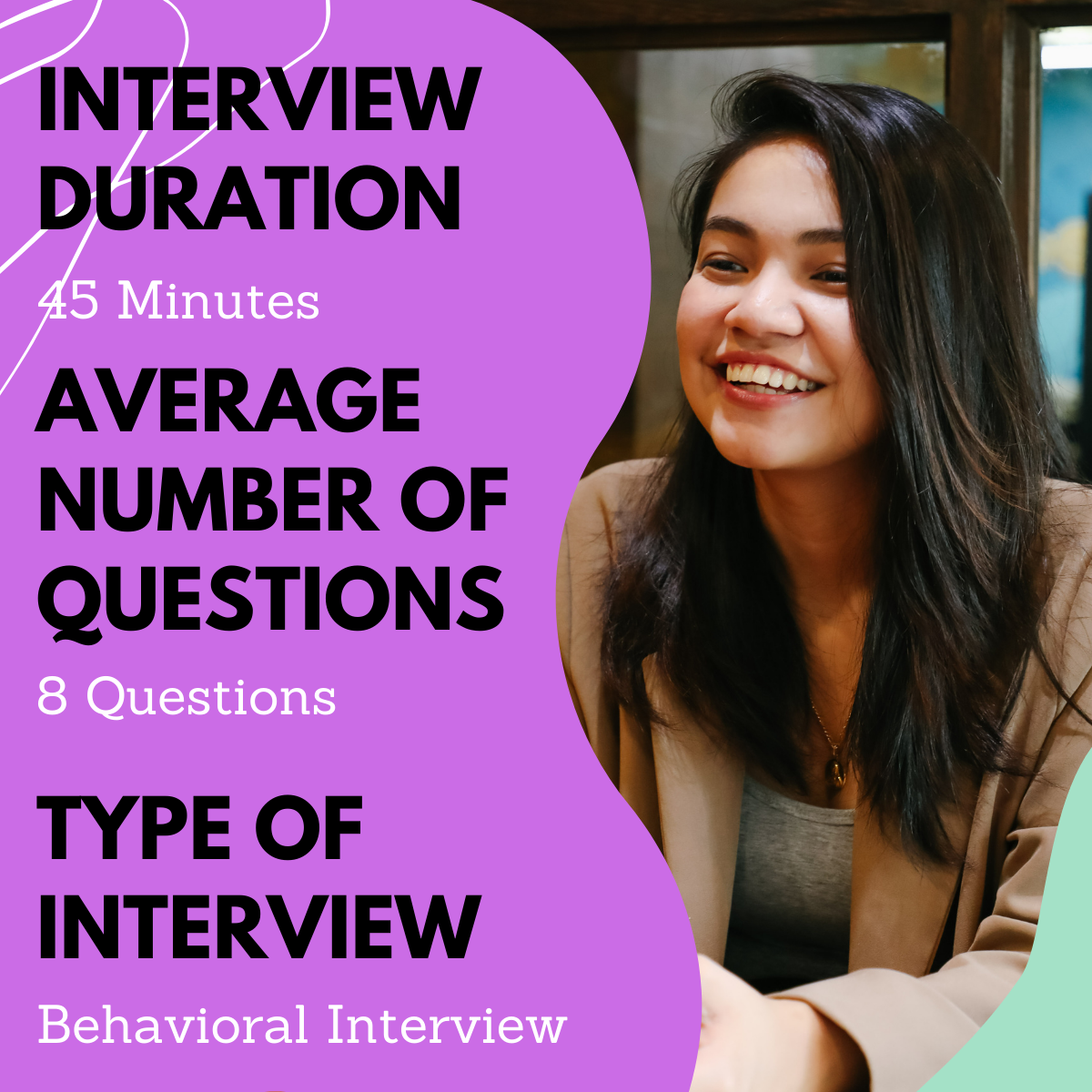
The average number of questions asked in a job interview is eight.

Commonly, the opening interview question is: ‘tell me a little about yourself’ and the final question is: ‘do you have any questions for us?’

In between these two questions will be 6 competency-based interview questions. Questions that ask for evidence that highlights if the applicant possesses the essential criteria.

A full list of interview questions and answers can be found here: questions and answers for an interview

One of the best approaches, to create a high-scoring answer, is to split the answer into two sections. Section one will state the process/theory/model relating to the interview questions, and part two is an example of using the said process/theory/model.

This two-part job interview answer will cover a large number of essential criteria.

As an example, if asked ‘give me an example of being prioritizing tasks’ the answer would start with an explanation of how to prioritize tasks using, as an example, the time management matrix theory before an example of being organized and planned is given.

Its not what you say, its how you say it

One mistake career professionals make is focusing solely on content to their interview answers.

Any good public speaker will tell, ‘it’s not what you say, but how you say it that is important.

Inflection, as an example, can change the meaning of a statement. The statement ‘I could do that has a different meaning depending on how it is spoken.

  • I could do that – I can do that and I am happy to do that
  • I could do that – You want me to do that?
  • I could do that – I don’t want to do that!

Watch this video for a great example of inflection

The voice is a powerful communication tool, to engage the interview panel:

  • Using vocal variety
  • Reduce the amount of filler words
  • Pause before a key point
  • Increase pace when excited
  • Slow down pace when making a powerful statement
  • Show emotion through your tonality
Evolve the mind book on Amazon

To pass a job interview, the three rules are:

  • Identify the job criteria as this allows an applicant to predict the job interview questions and to practice high-scoring job interview answers
  • Be a self-promoter – talk about skills and experiences relevant to the job role, the essential criteria
  • Use confident communication to engage the interview panel

Job Interview Questions for a Learning Mentor

There has been an increase in learning mentoring roles as education providers employ supportive roles to help struggling students.

In the main, learning mentors work with children, but some positions include mentoring adults. Other vacancies are for specific areas IE young offenders, SEND pupils, etc.

Employers are looking for ‘skills’ as well as experience. When giving examples, applicants need to check if the new job role is mentoring groups and/or 1-2-1s.

This article will help mentors prepare and pass a learning mentor job interview.

How competitive is a Mentor job interview?

Medium in competitiveness

Interview Specifics:

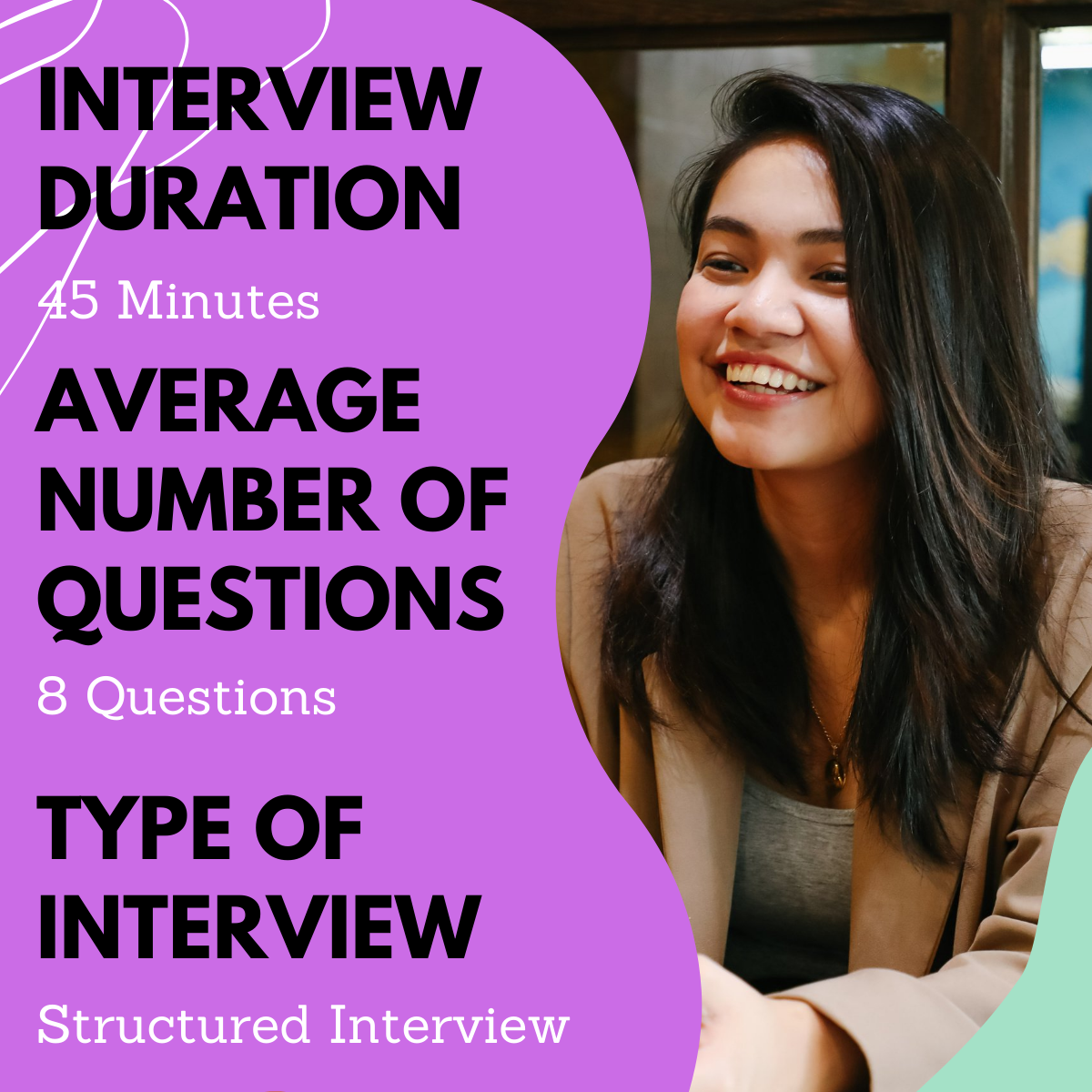
Behavioural job interview, last 45 minutes with 8 questions being asked

Can you demonstrate the relevant knowledge and experience to pass a Mentor job interview?

  • Discussing pupils learning needs to create a plan of action
  • Creating strategies and supportive actions to help increase a pupils confidence level
  • Working in groups or 1-2-1 to help an underperforming pupil achieve realistic educational outcomes
  • Understanding safe-guarding practices
  • Have an awareness of learning styles and techniques
  • Monitor and report on a pupils progression
  • Great questioning and listening skills
  • Support with transition, including report writing

Check the average pay for a Mentor job role.

Job Interview Questions and Answers for a Mentor.

In addition to a structured job interview, many high-school mentoring recruitment process also include the delivery of a presentation. To prepare for your interview presentation click here: How to deliver a job interview presentation.

This article, though, will focus on the answers to behavioral job interview questions.

Behavioral job interview questions ask for examples of passed experience. This means that giving examples is the best way to answer the job interview question.

Mentoring Job Interview Question: Tell me about your experience as a mentor?

Not all employers require the successful job applicant to have direct mentoring experience.

Instead, most employers are looking for certain skills – the ability to mentor a (specific group).

It is important to create a job interview answer that highlights to relevance of the example by following the three rules for a successful job interview:

  1. Identify the job criteria – the skills and experiences required for the mentoring job position
  2. Be a self-promoter – giving detailed descriptions of relevant skills
  3. Communicate with confidence – engage the interview panel with tonality, expressions and gestures, while having clear diction and a nice pace

Example interview answer:

“I have worked as a (job role) for the past (number of years) where I was responsible for (list duties).

I have undertook (list relevant qualifications) which taught me the importance of (a particular knowledge base).

The reason I am so passionate about mentoring is because (reason IE supporting/helping) An example of this is when I was working at (company) where I was mentoring (cohort). to support the client (describe mentoring technique in detail) which resulted in (positive outcome).

To summaries, I have X number of years experience and I am highly passionate and skilled at mentoring others.”

Mentoring Job Interview Question: Give me an example of mentoring a student who was underperforming?

When answering specific ‘example’ questions it is important to give context by describing the situation.

Context allows a hiring manager to understand the difficulties and actions taken.

It is also key to explain any ‘basic’ everyday tasks. A large number of interviewees don’t state ‘obvious’ duties because it is a task they complete everyday.

But, because interviewers follow use a structured job interview process, candidates must state all essential job criteria to receive full marks.

Example interview answer:

“I was working with one mentee recently who was undeforming in (subject) due to (reason). Because of this (reason) the mentee was (describe state – quite, angry, demotivated).

Because I was aware of the situation I, prior, to the mentoring session (actions took to help make the mentee more relaxed, open and feeling safe. This could also include any research undertaken)

When I met the mentee I split the session into three stages: contracting, open questions and goals. It was important to contract because of (reason).

In the mentoring section, I asked, initially very open questions, including (add questions) to help the client open up. The conversation become more specific as we built trust and talked more in-depth about underperformance. We focused mainly on (add detail).

By the end of the mentoring session I signposted to (source) and encouraged goals, including (state goals)

The result of the planning and my communication style was (describe a positive outcome for the client)”

Mentoring Job Interview Question: Tell me about a safe-guarding issue you have had to deal with?

When applying for a mentoring role that works with children’s or vulnerable people, you will be asked a safe-guarding job interview question.

Employers need to check that a mentor knows the correct procedure when a young person discloses that they are in harm.

There are six guiding principles of safeguarding:

  1. Empowerment
  2. Prevention
  3. Proportionality
  4. Protection
  5. Partnership
  6. Accountability

It is important in the safeguarding interview answer to highlight a level of knowledge of safeguarding.

Employers ask for a safeguarding example, to check how the principles have been used in a real situation.

Example interview answer:

“I was mentoring one mentee who disclosed a safeguarding issue. At first the disclosure was made in passing and the mentee, aware of what they have said, tried to deflect the statement by talking about other things.

This where my excellent listening skills come into their own. I also make lots of notes when I am mentoring someone to ensure that the information I have is accurate.

I was aware that the mentee was (embarrassed/upset/angry) and initially I used (open body language/soft tonality/additional questions) to (desired outcome).

I then asked a direct question about the disclosure, this resulted in the mentee (outcome). To gain more information I then asked specific follow up questions. At this stage it was clear that their was a risk of harm to the young person. I asked the mentee to remember at the beginning of the session where I had ‘contracted’ explaining what I have to do if there is a safeguarding concern.

In that company we had to follow a strict procedure when a concern was disclosed, which included 1) informing a line manager, 2) making a social service referral and 3) completing the paperwork.

The mentee was in fact happy to be getting support, but was scared about the process and what would happen long term. To support the mentee I (action – confirmed that I would be able to be in the interview with the social worker/talk to professionals on their behalf/gave an explanation of what would happen in the way of a case study.

The long-term outcome was (state details).”

Mentoring Job Interview Question: Give me an example of successfully mentoring a group?

In the main, mentoring is delivered on a 1-2-1 basis.

Often, though, mentors will deliver group mentoring workshops.

Delivering workshops takes an additional skill. Many employers, to test the delivery styles of applicants, will request for the interviewee to deliver a short interview presentation.

In addition to the presentation, there is often an interview question about group delivery.

The focus of the interview answer should be aimed at the session impact:

  • Was the trainer able to engage all pupils?
  • Did the session fulfil the training objectives?
  • Did the trainer think about individual learning styles?

Example interview answer:

“As well as having (X) number of years experience mentoring in 1-2-1 situations, I am also highly experience in the delivery of groupwork.

The barrier with group engagement is the number of participants. In a 1-2-1 mentoring session, it is easy to adapt the delivery style to encourage and support the mentee.

Whereas in a group setting, it is the planning of the activity which is key. When I plan an activity I first ask about the group – do any have support needs? What are their learning styles? have they volunteered to attend the session?

To plan the session in full, i think about the desired outcome and how I can embed visual, audio and kinesthetic learning styles. I also think about any objections or challenges the participants may have and think of ways to overcome this.

An example of this is working with introverted pupils. As I am experienced with this, I know to ask the group a question IE anyone can answer, and then to follow by asking individuals questions to help engage the whole class.

Last week I was working with one group to help them think about (career goals, improving exam results, motivation, etc). The group was made up of (age/gender/generic barriers). To engage the group I (told stories/created a game/presented facts/played a video).

I also set individual and team tasks, and walked around the room looking for anyone who would need support.

Because I knew that (group/person) had (describe barrier) I (state actions took) which resulted in (positive outcome).”

Evolve the mind book on Amazon

Mentoring Job Interview Question: Tell me about a time when you have successfully mentored someone to achieve their goals?

In short a mentor will help an mentee achieve their goals.

There are a number of mentoring models that can be used, with the most famous model being GROW – Goal, Reality, Options and Will.

When giving an interview answer to a 1-2-1 mentoring experience question, it is important to state the required skills used while following a mentoring model such as GROW. These include:

  • Listening
  • Communication
  • Empathy
  • Creating accountability
  • Encouragement
  • Note taking
  • Safe guarding awareness

Example interview answer:

“I have many examples I could use. My favorite is when I was working at (company) and I was mentoring a client who wanted to achieve (goal).

The mentee, when I first met them, was (add barriers; quite, reserved, extravert, demotivated, scared) This was because of their (describe situation).

My first task was to establish rapport, I did this by (sharing stories, listening, finding commonality, not interrupting).

Once the mentee trusted me, which was reinforced by my ability to listen without interrupting, being patient and communicating of their level, I helped them establish their goals.

Initially their goal was ambiguous, which was one reason why they struggled to take action. By asking questions to gain a specific and measurable goal, the client was able to see the realism of achieving their objective.

We discussed option and I would often challenge their goal, thought process or suggestion to help them reflect on what they would need to do and achieve to feel successfully. This reflection technique was something the client hadn’t done before and the outcome was that they felt excited about their potential future.

The reason this was a real success, was due to my emotional intelligence. Because I was working with the client over a number of weeks, there were time when the client was feeling good and other times when they felt down. Having an agile approach allowed me to communicate in a way that suited the situation, increasing trust between myself and the mentee.

There were also times when we went off-topic and talked about hobbies and interest instead of the (goal), which was suitable at that time. And sometimes, when needed i would sign post to suitable agencies where the mentee could gain expert advice and support.

The outcome was that the mentee achieved (long term outcome) and short term felt (motivated/inspired/excited) helping them to take more action.

Mentoring Job Interview Question: Do you have anything you would like to ask us?

  • Can you describe the duties in an average day?
  • What development opportunities can employees access?
  • Do you specialize in any particular mentoring areas?
  • Are you looking to expand the business?
  • How would you describe the culture of the company?
  • What, would you say, is the management style of the company?
  • How is the mentoring project funded? Do you see nay future risk to funding?
  • What is the customer feedback like?

Customer Service Manager Interview Questions

Customer service manager job roles vary across a wide range of industries. Depending on the company the job title may differ:

  • Customer service manager
  • Customer care manager
  • Customer relationship manager

In all customer service managerial role the main duties are similar; providing a customer focused service to exceed standards that results in an increase in customer loyalty.

In recent years, the role has evolved into customer service in the virtual world as well as physical customers.

A large part of the job role is to:

  • Develop and implement customer service policies and procedures
  • Use data to measure customer satisfaction, needs and sales
  • Improve the overall customer journey
  • Increase online positive reviews
  • Manage a customer service team and/or collaborate with senior stakeholders

The job interview has a large focus on understanding the applicants approach and previous experience in excelling in improving customer service,

How competitive is a Customer Service Manager job interview?

Medium in competitiveness

Interview Specifics:

Structural job interview last 45 minutes with 8 interview questions being asked

Can you demonstrate the relevant knowledge and experience to pass a Customer Service Manager job interview?

  • Create a customer service process and procedure for business as usual tasks
  • Lead on new customer service initiatives and project lead on customer service strategies
  • Investigate and solve customers’ problems, which can include online negative reviews
  • Authorise refunds or compensation to customers as required
  • Analyse customer data and statistics to be used in project planning
  • Develop customer relationship building activities
  • Write detailed reports
  • develop feedback or complaints procedures for customers to use
  • Staff recruitment and management

Check the average pay for a Customer Service Manager job role.

Job Interview Questions and Answers for a Customer Service Manager.

Generally speaking, customer service managers for medium sized organizations will be invited to one structured job interview.

Senior managers overseeing customer service at a strategic level are likely to attend an average of three job interviews including a structured job interview, a strength-based interview and an assessment.

This article will cover the commonly asked interview questions for a customer service manager in a structured job interview.

Tell me about your experience in customer service management?

The initial job interview question is designed to check suitability – does the applicant meet the job criteria?

Opening questions are also generic, to help the interviewee to speak with a view that they will be more relaxed when asked specific job criteria questions later in the interview process.

A savvy candidate can use the opening question to help create intrigue by stating their unique selling points.

Interview Answer Template

“I am highly skilled in customer service management for roles. For the past (number of years) I have been responsible for (add job-related duty). This included (A, B, and C – give detail).

I possess a qualification in (add sector-related qualification) which taught me the importance of (sector-related model or theory), an example of using this in day-to-day tasks is when (add example).

My main strengths include (add unique selling point). To conclude, I am a skilled customer service manager with over X number of years experience, qualified to X level.”

Give me an example of how you would implement a customer service policy?

As one of the main job duties of a customer service manager, explaining the process what implementing a customer service policy is one of the key job interview questions.

The ‘policy’ question must be answered by using the interview answer model – ME (Model and Example).

The model and example interview formula is highly powerful when it comes to technical job interview questions.

By stating the model, in a step-by-step process, all elements of setting up a customer service policy will be discussed analytically, ensuring that all the job criteria on the interview scorecard is referenced.

Much research shows how storytelling increases the likelihood of passing a job interview. This is because stories create an emotional reaction in the hiring manager, and emotions are the doorkeepers to decision-making.

The power of emotions is the reason why a logical answer alone isn’t enough. Once a step-by-step process has been explained, a real-life example must follow.

Interview Answer Template

“Policy creation and implementation is one of my key strengths. The five steps for creating a policy are, 1. identify the need for the policy, 2. gather data to support the creation of the policy, 3. involve stakeholders and draft policy, 4. gain approval for senior managers, 5. implement policy.

An example of creating and implementing a policy is when I worked at X company. At the time (explain barrier/problem). To help define the policy I (searched for data) which helped to create a policy that embedded (a particular requirement). Also, I worked with (stakeholder) as they had a vested interest in the policy outcome. After the policy was approved by (manager/board) I created an implementation plan which included (actions with reasons).”

Describe your managerial style?

There are various management and leadership styles. In the main, most managers have a natural preference for one or two management styles.

Often employers are looking to hire managers who possess the management style that fits within the culture of their organisation.

Interviewees, if required, can review the employer’s culture to help prepare a high-scoring interview answer.

A safe way to answer the management style question is by explaining how you choose your management style based on the situation.

Interview Answer Template

“Situational leadership theory explains there are four key leadership styles; directing, coaching, supporting, and delegating. All managers have a natural tendency to prefer one style due to their temperament.

What an experienced customer service manager, such as I am, must do is choose the most suitable leadership style for each individual situation.

As an example, my natural preference is (name a leadership style). This is ideal when (state situation) but isn’t as useful in (second situation). In this situation, I would use (second leadership style).

I think one of the reasons for my successful career as a customer service manager, is my ability to manage tasks by reflecting on the situation, the project timeframe, and the skills of my team.”

How do you review customer standards within an organisation?

New customer service policies, processes, and strategic plans must be based on data.

Employers will check that a customer service manager makes logical decisions to create change through the analysis of data.

Customer service data can be gained from very sources:

  • Surveys
  • The number of customer complaints
  • Monitoring social media
  • Online reviews
  • Increase or redcutaion in footfall/sales

The customer service answer is best answered using the STAR method.

The STAR method uses an example to show the candidate’s level of competencies.

STAR stands for Situation, Task, Actions, and Results.

Interview Answer Template

Situation – start the interview answer (the example) by describing in a few lines the situation that the company was facing.

“While working as a customer service manager at (company name) we analysed data that compared (a good vs bad customer service outcome)

Task – The task part of the STAR method should state the specific required task. The task is different from the situation (many interviewees miss the task section of the STAR method). The situation is the big picture, whereas the task is the specific plan the team/employee was required to complete

The data showed how we needed to (improve customer service outcomes). To achieve this, I was responsible for (describe task)

Action – Each stage of the STAR job interview method is more specific then the previous one. In the action section, the interviewee needs to explain what is was the did to help bring around a positive outcome.

The action segment is the crux of the job interview answer. The employer isn’t interested in what the team did or a generic cover-all description. Instead, the hiring manager wants data that they can cross-reference against the job criteria.

Specific information can be measured.

To ensure that the best action was achieved I first spent some time planning. There were two possible actions I could take, the first was X and the second Y. The advantage of doing X was (add detail) but the dis-advantage was (add detail). Whereas the disadvantage for Y was (give detail), put the pro’s included (give detail)

I choose (X or Y) because (reason). To start, I first (describe initial actions) as this (add outcome from initial actions). Next, I (describe actions) which helped achieve (outcome). Throughout the task I reviewed my actions to ensure that the task would be completed to the highest quality. Finally, I (add action).

Result – To end the STAR interview formula, the interviewee must state the result or outcome from the action described.

The result should be a positive outcome that helped achieved a particular goal.

My planning, reviewing and my ability to (describe a positive trait) ensured that we were able to (positive outcome) which had a massive effect on (part of the business)

Give an example of helping an underperforming employee to be more successful?

A large part of a customer service manager job role is the managing of staff.

Most questions, relating to performance, are framed as a ‘support’ question.

It is important to talk about a process for managing underperforming staff and to give an example. Again, this question is best answered using the ME – model and example formula.

Interview Answer Template

Not all underperforming staff members underperform for the same reason. As an example if a staff member was previously one of the best performing employees and only recently started to underperform, this maybe an indication that something may have effected that persons motivation or stress.

Compare that employee to a staff member who has underperformed no matter part of the business they are working with.

Generally speaking, if an employee has started to underperform whereas the rest of team is performing well, indicating that the underperforming employee needs support tor motivating I following the three stages that most HR teams embed in their policies: review, training, disciplinary,

The initial stage is bringing the underperformance to the team members awareness, asking, in a 1-2-1 what support they need from myself? This is an informal discussion, that can lead to some actions being agreed.

If performance doesn’t improve, the next meeting is formal with an action plan being created. The action plan can include training, mentoring, work shadowing and a list of priorities action for the employ. The idea is that following the plan will naturally improve performance. The main discussion should challenge the employee to help understand the reason behind the underperformance.

Finally, if performance still hasn’t improved over the duration set out in the action plan, then a more formal meeting will be had that involves the HR team. In short, as a manager i would try to do what I can to support an employee until it is required for HR to get involved.

Evolve the mind book on Amazon

Do You Have Any Questions for the Interview Panel?

  • What areas is the business looking to expand into?
  • What development opportunities are available to new staff members?
  • What is the company’s biggest barrier to achieving its KPIs?
  • Who would you say is the company’s biggest competitor?
  • How would you describe the culture of the company?

5 Most Common Types of Job Interviews

The recruitment process is changing due to issues such as the great resignation and the global job market.

Since the start of the pandemic, career professionals have been reflecting on how their employers have treated them.

The great resignation is an economic trend that started in the United States which saw a large number of employees resign from their job roles.

With a high number of vacancies on the increase: 2.4% of job roles were vacant in quarter 1 of 2021, career professionals are feeling confident when it comes to job-hopping.

Depending on the employer, businesses are being affected in various ways.

For small to medium-sized companies, the advice is to shorten the hiring processes as the number one choice applicant gets bored and quits the application when it is long and slow.

This ‘quit and jump’ strategy is a big problem when it comes to filling a position. Indeed state that the average number of days a job is live is 30 days and other sources indicate it is more like 42 days, which has led to employers having to sweeten the deal by increasing salary and company benefits.

Global brands are on the opposite scale with businesses receiving a record number of applications for an advertised role that has led to the increase in automated recruitment processes.

One reason for this is the global job market. With advances in technology and remote working becoming the norm for employees, career professionals living in one country can apply for a position in a second country.

Technology is set to change the workplace with tech giants like Mark Zuckerberg investing in the metaverse –  a digital environment where multiple people can interact in a 3D world, which could lead to a future where many jobs take place in the virtual world, from the comfort of your won home.

In an article on Microsoft, they stated how they received over 7 million visitors to the career section of their website.

As global brands see a year-on-year increase in the number of applications they receive for each job vacancy, many of them are turning to automated recruitment options such as asynchronous video interviewing and application tracking system software.

The great resignation and the global job market have resulted in employers testing new job interview processes.

Top 5 Job Interview Processes

Below is an outline of the various and most common job interview stages an applicant may have to attend to land their dream job.

Depending on the organisation and role, job applicants are likely to have to attend between 2-6 rounds of job interviews.

Preperation is key to a successful job interview. To prepare, career professionals must understand the various steps in the recruitment process.

Asynchronous Video Screening Interview

Global brands, big businesses, and high-paying employers are receiving record numbers of applications.

The extremely high volume of applicants is simply too much for a human to contemplate. Rather than hiring additional human resource staff to read and interview each career professional who has shown interest in the vacancy, organisations have turned to technology.

AVI – asynchronous video interviews are used as a screening process.

The AVI interviewed won’t be scheduled on a particular date and time. Instead, the applicant can choose a time most suitable for themselves (as the interviewer is an AI programme, not a human).

Each AVS lasts for around 15 minutes.

During the 15 minutes the interviewee has time to prepare themselves; check the voice and video systems are working correctly, take a practice interview test, before being interviewed by the AI programme.

The actual interview takes around 10 minutes, with an average of three job interview questions being asked.

The interview question will appear on the screen and the candidate will have one minute to prepare for their answer.

After the minute is up, the video recording takes place. During the recording, the interviewee has only two minutes (on average) to answer the interview question, before the recording stops, in readiness for the second or third interview question.

As the 2 minutes are coming to an end the AVI will let the interviewee know that there are 30 or 10 seconds left to go.

For more information on AVIs click here: what is an AVI

Values Job Interview

The days of a job for life have long retired.

Employees, more than ever before, job hop, resign out of the blue, and are approached online by recruiters and employers if a suitable vacancy is available.

Global problems such as the bank crisis and Covid19 have shown how a business one year is a success, but the next year is making redundancies.

No job is safe.

Employers, to help recruit the most suitable and ideally long-lasting employees are turning towards a new way of recruiting based on the values of the organisation.

The ‘values’ job interview is designed to hire staff members who are likely to 1) go above and beyond for the company and 2) improve staff retention as the job interview asks questions about the applicant’s own values before cross-referencing their answers against the values of the company.

In the main, the interview questions will be about the company values:

  • Can you name the 7 company values?
  • Which of our values would you say in most important to you?
  • When working in a team what is your main priority?
  • What does success sound like to you?
  • What motivates you to get out of bed on a Monday morning?
  • How do you know when you have done a good job?
  • How would you (value) when working on a project?

Research is required for a values job interview. Without an awareness of the employer’s company values it is unlikely that any of the job interview answers will state enough relevance to gain a high-scoring mark.

For more information click: what is a values job interview?

Strength-based Job Interview

A number of employers are embedding strength-based job interviews into their recruitment processes.

Similar to the ‘values’ job interview, the strength-based job interview is looking at suitability from the perspective of the ‘company fit’.

Each strength-based job interview question is about the employee’s preference – the way they prefer to work, their natural motivators and are crossed reference against the company culture.

There is an obvious cross-over with company culture and values which is why a values job interview and a strength-based one are similar.

In the main, but not always, the questions are asked about preference:

  • Do you prefer to work independently or as part of a team?
  • What is more importnat to you starting or finishing a project?
  • Do you like variety or routine?
  • How do you work best, when you are woking on one importnat task or when you have to multitask?
  • Choose a statement that best suits you: I prefer creativity or I prefer following processes and procedures?
  • When do you excel when being told what to do or when telling other people how to do things?

For more strength-based interview questions, read this article: Strength-based job interviews

Behavioural Job Interview

The final two job interviews that will be discussed are both from the structured job interview family.

Both the behavioral and situational job interviews are well-known and well-used recruitment tactics.

Previously, employers, especially in small to medium-sized organisations where the interviewer is the potential line manager, not a trained HR interviewer, the interview panel asked a mixture of behavioral and situational job interview questions.

More recently, employers are understanding the importance of how they frame a job interview question, as the frame can influence the type of answer an applicant gives.

This understanding has led to organisations using a specific structured job interview: Behavioural or situational. Amazon, as an example, is known for asking behavioral job interview questions and even going as far as referencing this on their career page.

“Behavioral job interview questions are questions framed in the past tense. The idea being, that past behaviors predict future actions – a zebra cant change it stripes”

Chris Delaney author of What is your interview identity

Behavioral job interview questions sound like this:

  • Tell me about a time when you were faced with a problem that had a number of possible solutions?
  • When have you learnt from a mistake?
  • Describe a time when you took the lead?
  • Tell me about a time that you collaberated with others?
  • Have you ever gone above and beyond?

Situational Job Interview Questions

Situational job interview questions are future-based scenarios.

Behavioral job interview questions are ideal when an employer is recruiting a highly experienced and skilled employee, someone, who must demonstrate their work experience.

On the other hand, many roles are suitable to a qualified individual without the need for several years experience:

  • Graduate positions
  • College jobs
  • Internships
  • Newly created roles/job sectors (as no one will have direct experience) created through the advancement of technology, politics, and globalisation
  • Situational job interview questions sound like this:

  • What would you do if you were working on a project and (X) happened?
  • If you were hired as a team member what would your first priority be?
  • How would you go about solving (X) problem?
  • How would you motivate your team?
  • What do you forsee the problems to be?
  • Other Types of Job Interviews

    Technical Job Interview

    Technical interviews assess the candidate’s technical ability to complete a certain technical task.

    Some technical interview questions look at skills required for the technical role: problem solving or numerical reasoning, with some questions being in the form of a brain teaser.

    Common in engineering, science, and IT roles.

    Group Job Interview

    Team to group interview tasks are common during full-day assessments.

    As part of the recruitment process interviewees will be put in groups to complete a simple task.

    Several interveiwers will observe the groups and mark each person on their communication, leadership, and teamwork skills.

    The task normally lasts around 30 minutes.

    Role Play Interview

    The use of actors and/or hiring managers acting a part and situation that the interviewee has to deal with while being observed and marked by additional interveiwers is very common in leadership and high-paid positions.

    The idea is for the employer to see in real-life (or as near to as possible) how the applicant will react in the (common) situation.

    The person playing the part/situation will often be having a problem or being disruptive, and it is for the interviewee to show their professionalism and skill set to find a solution to the problem.

    The recruitment process is changing.

    There will be an increase in automated job interviews and resume/CV selection.

    Large employers will continue to see an increase in the number of applications per vacancy.

    Competition (for many roles) will be global.

    Technology will continue to change the jobs on offer.

    Many employers will use multiple stages of interviews to help recruit a high-performing team.

    Hiring managers will ask more interview questions around company values and culture.

    Employers will continue to adopt the structured job interview process as it has been proven to be the best indicator of a candidates job performance.

    It is highly likely that recruitment will be completed in the metaverse or as part of a virtual reality interview process.

    Evolve the mind book on Amazon

    What is a Values Job Interview?

    A large number of organisations are choosing job applicants not just based on their experience and knowledge, but also on their personal values.

    More importantly, employers use ‘values’ interviews to review if the candidate’s values, their behaviors, and their likelihood to fit within the company culture.

    The values interview is very similar to a strength-based job interview which asks questions on the interviewee’s preferences – how they best like to work?

    Both, strength-based and values job interviews are often part of a longer recruitment process. Either used at the start or end of a 3-4 stage hiring process the idea behind the values interview is to help avoid recruiting an employee who may be, at worst, disruptive or simply not a good fit within the team.

    How to prepare for a Values job interview

    Value interview questions, in the main, are asking – do you embody the company values?

    More specifically, the vales job interview questions ask – how do you embed the company values into the day-to-day operations?

    There are two approaches to asking value interview questions:

    1. Asking direct vaue questions
    2. Embedding value questions into a structured job interview process

    An obvious first step to prepare for the values interview is research.

    Any organisations adopting this job interview strategy will showcase the company values on their website.

    Some businesses will have a dedicated values page (often an indication that values questions will be asked at some point direction the hiring process) or on the ‘about us’ page.

    Once armed with the company values, the career professional must understand their own values. As each interview value question will be about how the applicant’s values match the employers.

    Values are the drivers of motivation – you are motivated to action because of your values.

    An example of value motivation is working overtime. One employee will work overtime because they value money (the additional pay for the extra hours) whereas a second employee may value customer satisfaction (the overtime results in a completion of a task on time that makes the customer happy).

    Career professionals all value different things. There are no good or bad, right or wrong values, instead, it is (often) an unconscious trait that motivates that person.

    Values can include:

    • Quality
    • Quantity
    • Finance
    • A job well done
    • Being quicker/better/more knowledgebale than others
    • Praise
    • Fame
    • Caring for others
    • Independence
    • Collaberation
    • The end result/finishing a task
    • Professionalisum
    • Trust
    • The bigger picture or specfic detail
    • Processes and procedures

    Values are often viewed in the behaviors of colleagues and the language they use within the workplace:

    • Detailed value: “I like to cross the Ts and dot the Is”
    • End result: “Lets fisish what we started”
    • People: “Look how happy they are with (product)”
    • Finance: “One more sale and I will have made my bonus”
    • Praise: “I know my (manager) wil like that I did this”

    Carer professionals can identify their own values by asking:

    1. What five things are important to me in my job?
    2. Which is more important A or B? (ask this for all 5 values)
    3. What motivates me in the workpalce?
    4. What demotiavtes me?
    5. What makes me the most fulfilled?

    Which sectors use value interviews?

    There has been an increase in the use of value job interviews, as more employers are taking steps to hire long-lasting employees.

    The main driver for change in the recruitment processes of organisations is the data that is showing the increase in job-hopping from one employer to another.

    By hiring a career professional whose values are in line with the organisations values (and their vision) the new employee is likely to be happy, and therefore stay, with the employer.

    The following industries are adopting the values job interview:

    • Healthcare
    • Sales
    • Education
    • Animal care
    • Science
    • Finance

    Job Interview Structure

    As mentioned, there are two types of value job interviews – direct value questions, and embedded questions.

    A direct value job interview is when the employer asks questions based on their company values.

    Direct value interview questions can include:

    • Can you name the company values?
    • Which of the company values most resinates with you?
    • What are your personal values and how do they relate to the company values?

    Other direct questions ask about the implementation of the value into business-as-usual tasks:

    An example of this is when an employer values quality. The interview question may be: “How would you ensure the quality of (product/service) while increasing the number of outcomes?”

    Or, as a second example, an employer who values integrity, could ask: “Describe a situation where you have demonstrated integrity?”

    The hiring manager in a direct values job interview will ask one question for each of their list of company values.

    Indirect job interview questions

    Embedded value interview questions are hard to detect.

    Hiring managers ask standard job interview questions:

    • “Tell me about how you would fit this role?”
    • “How do you make a decision?”
    • “How do you manage conflicting deadlines?”
    • “Tell me about a time you have made a mistake?”
    • “What would you do if a client gave an unrealisitic timeframe?”

    On the face of it, the questions seem to be one of the most commonly asked job interview questions. The difference is, the employer is making note of the job applicant’s values, preferences and motivations.

    The framing of job interview questions

    Clues to what an employer is looking for, what will score high, is leaked by the structure of the interview question.

    An employer who asks: “Have you ever gone the extra mile to satisfy a customer?” is quite likely to value customer satisfaction.

    Whereas an employer asking: “how would you say no to an unrealistic customer demand without running the customer relationship?” may be more quality or process-focused.

    Employers who ask: “Are you willing to work overtime?” would only ask the question if they require flexibility in their workforce.

    Value job interviews often last for around 30 minutes and are conducted by a trained HR practitioner.

    Remember value questions can be, and often are, embedded within a behavioral or situational structured job interview.

    Evolve the mind book on Amazon