
Virtual interviews are now a permanent fixture in the hiring landscape. Current research has highlighted how most people fear being interviewed online, even with the well-known advantage of having notes visible to the interviewee (not the interviewer) throughout the virtual job application process.
To succeed with a virtual job interview, candidates need to move beyond basic preparation and master the unique technical, environmental, and interpersonal dynamics of communicating effectively through a screen.
This guide provides the latest advice to ensure your next online interview is a success.
1. Master Your Technical Setup: The Pre-Interview Check
There is nothing worse than spending hours and hours planning, preparing, and practicing in preparation for a job interview, for it not to happen due to a broken camera, a weak internet signal, or a lack of the correct video platform.
ADVICE: Don’t let a technical glitch derail your interview. Test your entire setup at least 24 hours in advance.
Platform Proficiency: Use the same video conferencing platform (Zoom, Teams, etc.) that the company intends to use. Familiarize yourself with all the features.
Audio & Visual Check: Verify that your microphone, camera, and speakers are working correctly.
Connectivity: A wired internet connection is more stable than Wi-Fi. Close any unnecessary applications to free up bandwidth.
Backup Plan: Keep the interviewer’s phone number or email address handy in case of a connection issue. In the worst-case scenario, have a phone ready to use.
Power Up: Ensure your device is fully charged or plugged in.
2. Curate Your Environment: Setting the Stage for Success
Your surroundings communicate professionalism.
Privacy & Quiet: Choose a quiet, private space where you won’t be interrupted by people, pets, or background noises.
ADVICE: Put a ‘do not disturb’ notice on the door
Optimal Lighting: Face natural light (like a window) or use a direct desk lamp. The goal is to illuminate your face, not create a silhouette. You need to test this prior to the interview.
Professional Background: Opt for a neutral, uncluttered real-world background. Avoid using virtual backgrounds, as they can sometimes be distracting or glitchy.
Clean your room: Not only does what you wear affect the interviewers first impression, so does the room you are in during a virtual interview – keep it clean, tidy, and professional looking
3. Refine Your On-Screen Presence: More Than Just Talking
Your non-verbal communication is amplified on camera. First, think about the position of the camera and how this frames you (head shot, full body shot, or chest to head shot, which is recommended)
Eye Contact: Look directly into the camera lens when you speak. This simulates direct eye contact with the interviewer.
ADVICE: Place the camera so the lens is at head height
Body Language: Maintain good posture, smile naturally, and nod to show engagement. Use natural hand gestures within the camera frame, but be mindful not to overdo it.
Sitting to close to the screen will limit the number of gestures you will naturally use.
Dress Code: Dress as professionally as you would for an in-person interview. It puts you in the right mindset and shows you are taking the opportunity seriously.
4. Prepare for Modern Interview Styles: Strategy & Substance
Generic answers won’t cut it these days. Prepare for competency-based questions effectively. The recruitment panel scores each question against the job duties/required skills, and knowledge needed for the advertised role.
When answering each question, ensure the example states 2-3 job interview criteria.
The STAR Method: Practice answering behavioral questions using the STAR method (Situation, Task, Action, Result). This provides structured, quantifiable examples of your experience.
Skills Assessments: Be prepared for potential skills-based tests or live problem-solving scenarios where you might need to share your screen. Some organizations use an online automated system to test skills, prior to a second human interview.
Using Notes: Use bullet points on a physical notepad for quick reference, but avoid reading from a script, as it can sound robotic.
5. The Professional Follow-Up: The Final Touch
The interview isn’t over until the follow-up is sent.
Timely Thank You: Send a personalised thank-you email to each person you interviewed with within 24 hours.
Personalisation is Key: Reference specific points you discussed with each individual to make your message memorable and reinforce your interest in the role.
Remember the three rules for a successful job interview.
Identify the job duties, skills, qualities, and required knowledge (embed these into your interview answers)
Promote and sell yourself – give detailed answers, use lots of examples, and explain actions YOU took
Be confident with your communication. Vary volume, tonality, and pause at appropriate points. Smile, gestures, and use good diction.
In today’s job market, competition for vacancies is at an all-time high with, often hundreds of people applying for the same role.
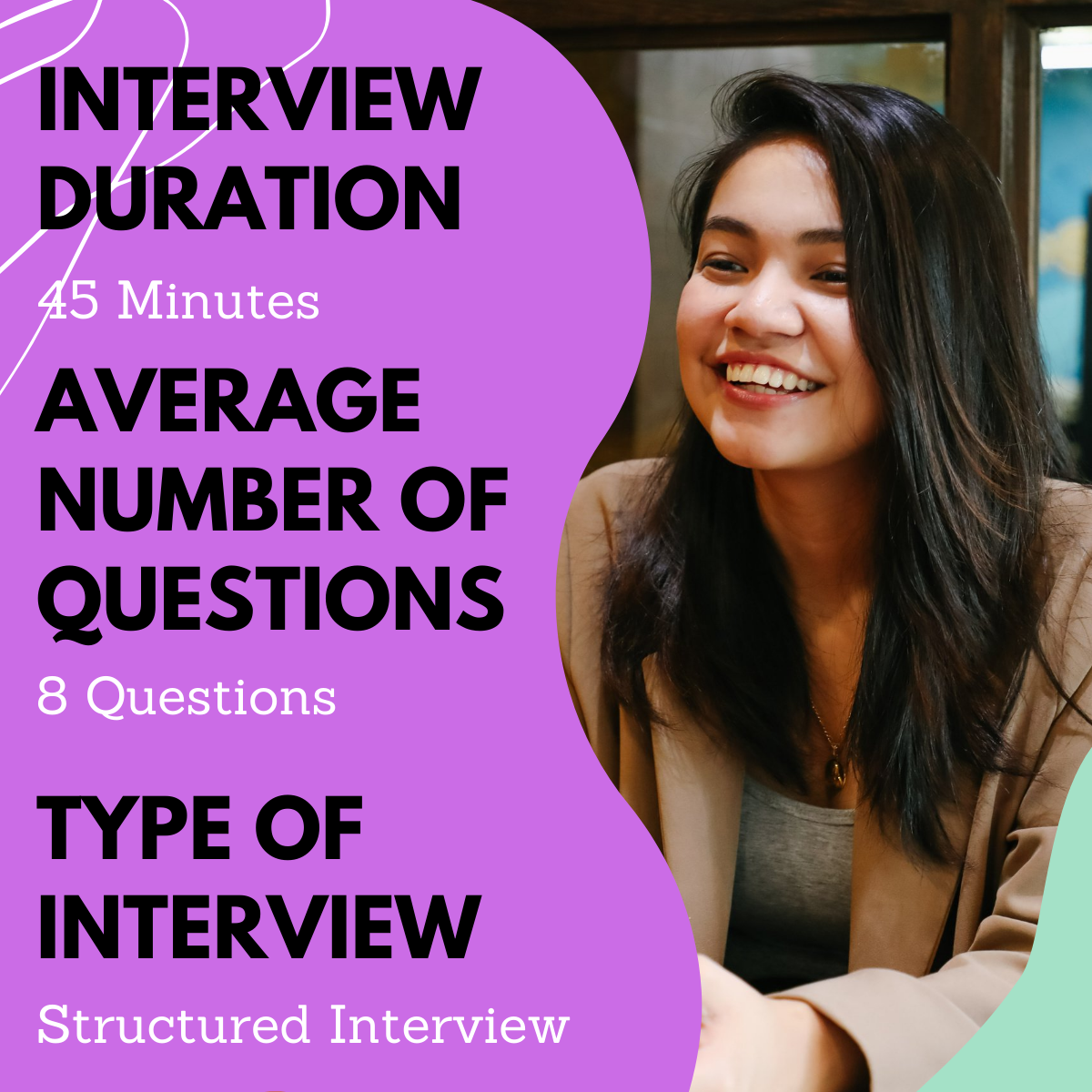
Employers, in the main, use a structured job interview process when interviewing candidates. A structured job interview is where the interviewer uses a standardised set of questions, asked in a consistent order, and evaluates candidates using predefined scoring criteria of 1 = weak answer, and 4 = strong answer.
To choose the correct score for each answer, the interview panel cross-references the applicant’s answer against the criteria written under each interview question. As an example;
Question: “Tell me about a time you had to meet a tight deadline. What was the outcome?”
Scoring:
1 = No clear example
2 = Completed task with difficulty, vague outcome
3 = Clear example, proactive planning, positive measurable result
4 = Theory relating to subject, real life work example, proactive planning, explains options, pros, and cons. Reason for choosing action, data, outcome/impact, and lessons learnt.
The best job interview answers are strategic, specific, and tailored to the job and company.
1. Directly Answers the Question
Stay on-topic.
Avoid going off on tangents or giving generic answers.
Use clear, concise language.
2. Uses the STAR Method for Behavioral Questions
Situation ? Task ? Action ? Result This format helps structure your response clearly:
Situation: What was the context?
Task: What was your responsibility?
Action: What did you do?
Result: What was the outcome? Quantify it if possible.
3. Tailored to the Role and Company
Use keywords from the job description.
Align your skills and experiences with what they need.
Show you understand their values, mission, and goals.
4. Showcases Impact and Results
Focus on what you achieved, not just what you did.
Use numbers, metrics, or brief anecdotes to prove your success.
“Increased sales by 25% in six months…”
“Reduced support ticket resolution time by 40%…”
5. Highlights Soft Skills and Cultural Fit
Show emotional intelligence, teamwork, adaptability, leadership, etc.
Employers want people who work well with others and fit the culture.
6. Authentic and Confident (but not arrogant)
Be honest and self-aware.
Own your accomplishments, but don’t exaggerate.
Be enthusiastic about the role.
7. Practice, But Don’t Memorize
Prepared answers sound polished.
Over-rehearsed answers sound robotic or inauthentic.
A good interview answer isn’t good enough
As a general rule of thumb, is that all interviewees, and on average 8 applicants attend each face-to-face interview (to note many global brands now use an AI video interview to conduct an initial screening interview as they often receive 1000s of suitable applicants for a role). Each of the 8 career professionals will have a very similar background, qualifications, and experiences, which results in their interview answers being similar, therefore being scored the same.
This is why a ‘good’ interview answer (being scored a 3) isn’t good enough because most interviewees will receive the same grade.
Example: “Tell me about a time you handled a conflict at work.”
Grade 1 answer: “I just try to stay calm and talk it out with the person.”
Grade 2 answer using the STAR method “At my last job, a coworker and I disagreed about how to approach a client’s project (Situation). We were both passionate, but it was affecting team morale (Task). I scheduled a one-on-one with them to understand their point of view and shared mine calmly (Action). We found common ground and even improved the original proposal. Our manager appreciated the collaboration, and the client was very satisfied (Result).”
Grade 3 answer
“Disagreements between colleagues can easily get out of control, causing long-term damage to collaboration and teamwork unless they are handled professionally. As an example, in a previous position, a coworker and I had different viewpoints on how we should approach a client’s project. We were both passionate about our opinions and were both keen to have a positive outcome for the client, with this in mind, I knew we needed to work together to resolve how we could best work together.
I suggested we meet to review each other’s suggestions and to look at how they met the client’s brief and expectations. Even though I suggested and led the meeting I was mindful not to be forceful with my ideas and to listen to my colleagues’ reasons for his opinion. My cross-referencing the two ideas against the client’s brief, we were able to move forward by taking the best of both suggestions to create an improved project plan.
Once the plan was in place, the work moved forward quickly as the project team had a clear direction, instructions, and communication which resulted in the project being achieved on time, and on budget, and with the client being very satisfied.”
Grade 4 answer
“Conflicts between colleagues, if not managed professionally, can escalate and negatively impact collaboration and team dynamics. Generally speaking there are 5 approaches to conflict management as Thomas-Kilmann conflict management research found: they are competing, collaborating, compromising, avoiding, and accommodating. Each situation requires a different approach, but in the main, with colleagues collaborating is a useful approach.
In a previous role, a colleague and I had differing views on how to approach a client’s project. We were both passionate about our ideas and committed to delivering the best outcome for the client. Recognising the importance of teamwork, I took the initiative to suggest a meeting where we could review each other’s proposals in detail and assess how well they aligned with the client’s brief and expectations. Commonly when two people have a conflict, they become defensive which rarely produces a positive result. With this in mind, I ensured I was respectful and open minded, I used active listening skills throughout, and focused the meeting on the shared goal of meeting the project brief.
During the meeting, I made a conscious effort to create a balanced and respectful environment—leading the discussion without dominating it, and actively listening to my colleague’s perspective. By cross-referencing both approaches against the client’s requirements, we identified complementary elements in each and merged them into a stronger, more refined project plan.
This collaborative solution gave the project team clear direction and improved communication, which helped us deliver the project on time, within budget, and to the client’s satisfaction. In fact I remember the client gave us additional business in the values of around £300,000 due to the quality and outcome of the project.
The experience reinforced for me how constructive dialogue and mutual respect can turn conflict into a catalyst for better outcomes.”
In summary, the more detail that is given in a job interview answer, as long as the detail is relevant to the advertised job role, and is delivered in a confident and engaging manner, will result in a higher-scoring interview answer. Employers score answers high if they include the theory of the subject, a real-life example, and any positive outcomes, especially when they relate to the employer’s business.
It’s that time of year when students receive their A-Level results and make the big education decisions about their future – should I go to university?
Traditionally, a university is the choice for a student who wants a high-paying, successful career, with the belief that a degree will open the door to career opportunities.
Recently, numerous online articles have claimed that one does not need a university degree to earn a substantial income. The articles, which often present a one-sided view, explain how gaining a degree also comes with a student load debt that needs paying off (alternatively, a degree apprenticeship is fully funded).
Let me make it easier for you to decide whether or not to apply for a traditional university course or a degree apprenticeship?
We will also look at earnings for a graduate vs non graduate and the cost of repaying a student load, depending on future income (salaries affect the cost of a monthly repayment – not all graduates with the same student loan cost make the same repayments)
Higher Education Options – Food for Thought
You can apply for a degree course and student finance at any age – you don’t need to attend higher education straight after A-Levels or B-Tec results.
It has been estimated that between 183,000 to 232,000 18-24-year-olds in the UK took a gap year in 2023. Additionally, around 29,920 students defer their university course each year to take a gap year.
***Deferring university means delaying the start of your studies for a year after you’ve been accepted. You apply for the course and then request to defer your start date, typically to the following academic year.
You can attend university and then apply for a degree apprenticeship or vice versa
A degree apprenticeship is funded by the employer and does not require a second student loan. In fact, as an apprentice, you will be paid a salary when recruited as a degree apprenticeship. And some salaries are very competitive.
For some careers, it is a legal requirement to have a particular degree – as an example in Medicine
The number of degree apprenticeship opportunities is rising but this depends on the job sector – competition is high
Data highlights that graduates earn more than non-graduates
Different universities offer different courses, and entry requirements vary per university – not all universities are the same. Also, colleges (further education) can offer higher educational courses (normally at a cheaper rate)
A degree apprenticeship is full-time, with one day a week on average spent in education. Apprentices are paid a full-time salary and do not have to pay any tuition fees.
A clear comparison between UK degree apprenticeships and traditional university places:
Degree Apprenticeships in the UK (2022/23, England)
In the 2024–25 academic year, degree apprenticeship starts rose by 12.5% to 36,570.(The Guardian)
University Entrants/Places in the UK
In the 2022–23 academic year, UK higher education institutions had a total of 2,937,155 students enrolled, with 2,053,520 undergraduates and 883,635 postgraduates.(Universities UK)
Through the UCAS system in 2023, 554,465 applicants were accepted onto undergraduate courses.(Universities UK)
Another estimate suggests around 565,000 undergraduate acceptances in the 2023 cycle.(House of Commons Library)
For 2023/24, the total student population at UK HE institutions stood at around 2.90 million.(House of Commons Library)
Apprenticeships and traditional university: Summary
Degree apprenticeships are growing—but still remain a small slice of overall higher education provision.
In 2022/23, there were about 46.8k starts in England.
Meanwhile, over half a million students were accepted into traditional undergraduate degrees across the UK in 2023.
In terms of scale, university places vastly outnumber degree apprenticeship starts by roughly a 10-to-1 margin or more.
The cost of going to university
The cost of going to university in the UK depends on several factors, including whether you’re a home (UK) student or international, the location, and your lifestyle choices.
Tuition Fees – this can change year on year.
UK/Home Students (England, Wales, NI)
Up to £9,250 per year for most undergraduate courses.
Total for a 3-year course: £27,750 (not including living costs).
Tuition is free for Scottish students studying in Scotland (covered by SAAS).
Students from other UK nations studying in Scotland pay up to £9,250.
International Students
Tuition fees typically range from:
£10,000–£25,000/year for undergraduate courses.
Up to £30,000+ per year for top universities (e.g., Oxford, Cambridge, medicine, engineering).
The total 3-year cost can exceed £75,000+, excluding living costs.
2. Living Costs
Living costs vary widely depending on where you study. Below is an average annual estimate:
Location
Estimated Cost per Year (Living Only)
London
£12,000–£15,000
Other UK Cities
£9,000–£12,000
Staying at home
£4,000–£6,000
These include:
Rent: £400–£800/month (more in London)
Food: ~£150–£250/month
Transport: ~£30–£100/month
Books/supplies, clothes, social, etc.
3. Total Estimated Cost (UK Student)
Item
3-Year Estimate
Tuition
£27,750
Living (avg)
£27,000–£36,000
Total
~£55,000–£65,000
But remember: UK students don’t pay upfront. Most students will borrow their tuition fees and maintenance loans from the government (student finance England or SAAS)
The big question on most people’s lips is how much do I have to repay back? This is where the article writers question the cost of university rather than starting a degree apprenticeship. Let’s first look at the student loan repayment system for the UK and then look at the pros and cons of choosing a traditional degree or an apprenticeship.
4. Student Loan Repayments (UK)
You repay only if you earn over £25,000/year (Plan 5, England).
Repayment = 9% of income over the threshold.
Loans are wiped after 40 years (Plan 5).
Interest is based on RPI (Retail Price Index).
Example:
If you earn £30,000, you repay 9% of £5,000 = £450/year or ~£37/month.
5. Other Costs
Laptop, books, software: £300–£800 total
Travel (trains, flights home): varies
Societies, gym, leisure: ~£300–£500/year
Summary Table
Type
Cost per Year
3-Year Total
Tuition (UK student)
£9,250
£27,750
Living (outside London)
~£9,000–£12,000
~£27,000–£36,000
Total (UK student)
£18k–£21k/year
£55k–£65k+
Degree Apprenticeships in the UK
In the UK, degree apprenticeships are available across a growing range of job sectors, especially those with skills shortages.
Here’s a breakdown of the main job sectors currently offering degree apprenticeships:
1. Engineering & Manufacturing
Civil Engineer
Mechanical Engineer
Aerospace Engineer
Nuclear Technician/Engineer
Product Design & Development Engineer
Manufacturing Manager
Employers: BAE Systems, Rolls-Royce, Jaguar Land Rover, Network Rail
Employers often prefer candidates with a university degree for several reasons, though this is changing with the rise of apprenticeships and skills-based hiring.
Here’s a breakdown of the traditional logic behind their choice:
Why Employers Prefer University Degrees
1. Signal of Capability and Commitment
A degree signals that a person can:
Handle complex tasks and deadlines.
Work independently for several years.
Commit to long-term goals.
It acts as a “filter” for maturity, reliability, and work ethic.
2. Subject Knowledge / Theoretical Understanding
Degrees provide in-depth knowledge of a field.
E.g., physics for engineering; law for solicitors.
This helps employees understand the “why” behind their work—not just the “how”.
3. Soft Skills Development
University can develop:
Critical thinking
Problem-solving
Research skills
Communication and teamwork
These are harder to measure but highly valued in professional roles.
4. Professional Requirements
Some careers legally require a degree (or equivalent), such as:
Doctors, lawyers, architects, teachers, nurses.
Many professions require accreditation, which is built into certain degree programs.
5. Universality and Recognition
Degrees are globally understood and standardized.
This helps HR teams quickly compare candidates.
Especially useful for graduate schemes or large companies processing thousands of applications.
6. Traditional Hiring Models
Many industries have legacy systems built around graduate recruitment.
Employers partner with universities.
Structured graduate schemes require a 2:1 or similar.
But This Is Changing…
In recent years, many employers are re-evaluating this bias due to:
Factor
Impact
Skills shortages
More focus on on-the-job learning
Cost of university
Employers value practical experience
Diverse talent needs
More companies now hire based on skills
Rise of apprenticeships
Companies can train & retain earlier
Some top firms (e.g. PwC, EY, Google, IBM) no longer require a degree for many roles.
Average Salaries for Graduates
One of the biggest motivators for deciding between attending university or applying for work is the potential salary post-graduation vs the cost of attending university.
Below is a breakdown of the average salaries for graduates versus non-graduates in the UK, using the most recent official data:
Real terms gap: Graduates £26.5k vs Non-graduates £19.5k (??£7k advantage)
What This Means in Practice
Graduates earn significantly more—both annually and over a lifetime—even after accounting for loan repayment.
Subject and sector make a big difference:
Graduates in high-paying fields like law or finance earn substantially more.
Those in lower-paying sectors like charity or public services may see a smaller gap.
Regional disparities also affect starting salaries, with London and the Southeast typically offering more—but often at a higher cost of living. (Colleges in the UK, ISE Knowledge Hub)
How to decide if you need to attend University
Does your future job require a certain University degree?
Are you looking for a career in a job sector that doesn’t offer a degree apprenticeship?
Do you need an income now? Apprentices are paid, whereas a student isn’t (but they can apply for a part-time job)
Are you looking for the ‘university experience’?
Do you have the correct entry requirements for a degree?
Are you happy with the student loan repayment system?
We all know that job interviews can be intimidating, but with the right preparation and mindset, they can be an opportunity to showcase your potential and stand out from the crowd.
Whether you’re new to the job market or a seasoned professional looking for your next opportunity, these ten detailed interview tips will help you leave a lasting impression and increase your chances of landing the job, gaining salary increases, and progressing your career.
1. Do Your Homework: Research the Company Thoroughly
One of the biggest mistakes candidates make is walking into an interview without understanding the company.
Even though the interview question ‘what do you know about the organisation?’ is losing traction in the modern job interview, applicants need to understand the company, its values, mission, and working style.
Understanding the working of a business is also key in terms of a career professional deciding if they would accept a job offer.
Take the time to research:
The company’s mission and values – Align your answers with what matters to them.
Recent news, product launches, or initiatives – Referencing these can demonstrate genuine interest.
Technology – understanding how technology is being/going to be used in the business (as an example, Amazon is looking to increase robots over human workers)
Their culture and work environment – Use sites like Glassdoor or LinkedIn for insights.
Key competitors – Understanding the industry landscape shows strategic thinking.
Doing your homework allows you to speak intelligently and tailor your answers to show you’re a great fit for their team.
2. Understand the Role Inside and Out
Beyond just reading the job description, break it down and match it to your own skills and experience. Ask yourself:
What are your main responsibilities?
What problems is this role trying to solve?
Which of your achievements directly connect to the role’s key requirements?
Anticipate what challenges the role may come with and be prepared to discuss how you can solve them. This will show initiative and depth of thought, at its best, highlighting your industry expertise.
3. Practice Common Interview Questions
Interviews almost always include a mix of behavioral, situational, and classic questions.
Prepare answers to questions such as:
“Tell me about yourself.”
“Why do you want to work here?”
“What are your strengths and weaknesses?”
“Describe a time when you overcame a challenge at work.”
These questions may be asked in various ways (as an example, the question ‘what are your strengths? ‘ can be reworded as ‘ what can you bring to the team?’ or ‘tell me something you are most proud of in work?’, but the underlying question is always the same.
The STAR method to structure your interview answers is an easy-to-digest formula that will help you answer commonly asked interview questions.
Situation – What was happening?
Task – What was your role?
Action – What did you do?
Result – What was the outcome?
Practicing answering interview answers out loud helps you sound more confident and natural during the interview. Take this one step further and book a job interview coaching session.
4. Prepare Smart, Insightful Questions
An interview is a two-way street. You’re evaluating them as much as they’re evaluating you. Remember, the job you choose, the organisation you decide to work for, is key in terms of your career success and work happiness.
For every job interview, prepare thoughtful questions to ask the hiring manager, such as:
“Can you describe the team I’ll be working with?”
“What does success look like in this role?”
“How does the company support professional development?”
“Why do you like working for the organisation?”
“What are the biggest challenges currently facing the team?”
“How will you go about achieving next year’s strategic goals?”
Avoid asking questions you could easily find online (as everyone will ask the same questions) — focus on what shows critical thinking and engagement.
5. Dress for Success (and Appropriateness)
Your appearance sets the first impression, even before you speak. Much research shows how the first impression is linked to people’s unconscious biases. How you decide to dress should be influenced by the company’s job sector.
Match your attire to the company’s culture:
Corporate/Finance/Legal: Business formal – suit and tie or equivalent.
Startups/Creative roles: Business casual is usually safe.
Remote interviews: Still dress professionally (at least from the waist up).
Always aim to look polished and intentional — being slightly overdressed is better than underdressed.
6. Be Punctual and Technically Prepared
Showing up late is one of the easiest ways to lose credibility before the interview even starts. This is true even when the reason for lateness is beyond your control IE a traffic accident.
Aim to arrive:
10–15 minutes early for in-person interviews.
At least 5–10 minutes early for video interviews, giving time to check your connection, camera, lighting, and background.
Check before you leave. Google Maps will tell you about any traffic incidents, giving you a quicker alternative route
Research car parking, as the walk from a car park to the interview can be long
Make sure your phone is silenced and you’re free from distractions.
7. Show Confidence and Positive Body Language
First impressions go beyond words. Here’s how to project confidence:
Maintain good posture — sit upright but relaxed.
Make eye contact (or camera contact for virtual interviews).
Smile when appropriate and show enthusiasm.
Avoid filler words like “um,” “like,” or “you know.”
Confidence without arrogance shows that you believe in your abilities while staying grounded and approachable.
8. Focus on Achievements, Not Just Responsibilities
Give detailed job interview answers. Much online advice says to give ‘short interview answers.’ This is incorrect; in a structured job interview, details matter.
Anyone can list what their job was — what sets you apart is what you accomplished. Instead of saying:
“I was responsible for managing social media accounts,”
Say:
“I grew our Instagram following by 50% in six months and increased engagement by creating targeted campaigns.”
Use numbers, percentages, or examples to demonstrate your value. Metrics make your impact tangible.
9. Follow Up With a Professional Thank-You
After the interview, send a thank-you email within 24 hours. A good thank-you message should:
Thank the interviewer for their time.
Reaffirm your interest in the role and the company.
Briefly mention one or two points you enjoyed discussing.
Include any follow-up materials (e.g., work samples, references).
It’s a small gesture that reinforces professionalism and keeps you top of mind.
10. Be Authentic – Be Yourself
It’s easy to fall into the trap of trying to give the “perfect” answer. But interviews are as much about chemistry as they are about credentials.
Be honest about your experiences — even the messy or imperfect ones.
Share what excites you about the work.
Let your personality shine through. People hire people, not resumes.
Authenticity builds trust, and trust can often be the deciding factor between two qualified candidates.
If you feel stressed, nervous or anxious about an upcoming job interview, book a virtual job interview coaching session to improve your interview confidence.
Job Interview
Interviews don’t have to be stressful if you come prepared. Think of them as a conversation — a chance to explore a mutual fit.
With research, preparation, and a little self-confidence, you can turn any interview into an opportunity to showcase your value and make a memorable impression.
Winning job interviews comes from showing confidence (positive body language, fewer filler words, eye contact, smiles) and industry expertise (longer interview answers, detailed descriptions, real examples, use of data)
The UK labour market for care assistants is an important and growing sector due to the increasing demand for elderly care – people are living for longer so they require more care workers, and support for people with disabilities or long-term health conditions.
Demand for Care Assistants
The demand for care assistants has been consistently rising, particularly due to the aging population and the government’s focus on social care.
The UK has a large number of elderly people, with many needing assistance for daily activities, such as personal care, mobility support, and companionship. This is expected to increase as life expectancy rises.
Care assistants are employed in various settings, including residential care homes, nursing homes, domiciliary care (home care), hospitals, and supported living environments.
Entry Requirements – Skills and Qualifications
Basic qualifications: While no formal qualification is required for entry-level roles, employers often expect candidates to have GCSEs in English and Maths.
NVQs and Diplomas: Many care assistants complete vocational qualifications and/or apprenticeships, such as the Level 2 or 3 Diploma in Health and Social Care, which help increase employability.
Experience: Previous experience in a care role or similar settings can be very beneficial. Some people start as home care workers or volunteers before becoming full-time care assistants.
Specialised skills: There is a demand for care assistants with experience in dementia care, palliative care, or working with individuals with learning disabilities or mental health challenges. These specialised roles often come with a higher salary
How competitive is a Care Assistant job interview?
Job Opportunities and Job Outlook
The care assistant job market remains strong, with regular vacancies across the UK, particularly in the Midlands, North East, and North West regions.
The sector is expected to grow steadily, especially as the NHS faces pressure, and the demand for home care increases.
Many care providers offer career progression opportunities for staff, such as training to become senior care assistants or supervisors.
Job growth is driven by the need to support older adults and people with long-term conditions, and it’s also influenced by government funding for social care.
Location Trends
Larger urban areas, like London, Manchester, Birmingham, and Edinburgh, generally have more care assistant job openings due to the larger population sizes.
Rural and remote areas may have fewer job openings, but there can be a higher demand in certain specialized care sectors, such as elderly care in smaller communities.
Challenges in the Sector
Workforce shortages: The social care sector is facing a significant shortage of workers, partly due to low wages compared to other industries, and the demanding nature of the work.
Retention: High turnover rates are common, as the work can be physically and emotionally demanding.
Training and support: There is an emphasis on improving staff training and retention through ongoing professional development opportunities.
Employment Types
Many care assistants work full-time, but part-time and zero-hour contracts are also common in the sector.
Shift work: The nature of care work often requires evening, night, and weekend shifts, which is something to consider when looking for a job.
Where are the care assistant jobs in the UK?
1. Regional Job Opportunities
London and South East
Demand: High demand due to the large, diverse population and the aging demographic. There is also a greater number of private care agencies and care homes.
Salary: Typically on the higher end of the scale. Starting salaries can range from £10 to £12 per hour, with more experienced roles or specialized care positions going up to £25,000 or more annually.
Types of Jobs: Many care assistants work in residential care homes, while domiciliary care (home care) is also growing, especially for elderly clients who prefer to stay at home.
Opportunities: Look for local job boards or agency listings (e.g., Reed, Indeed, or local council websites).
North West
Demand: Growing demand, particularly in areas like Manchester, Liverpool, and other urban centers. The region has a mix of public, private, and charity-based care providers.
Salary: Average salaries range from £9 to £11 per hour, with slightly higher wages in urban areas and for specialized roles like dementia or palliative care.
Types of Jobs: Residential care, dementia care, and home care services are all in demand.
Opportunities: Many opportunities through NHS jobs, recruitment agencies, and local council postings.
Midlands
Demand: The demand for care assistants is strong in both rural and urban areas, with an emphasis on elderly care and care for individuals with learning disabilities.
Salary: Pay tends to be slightly lower compared to London but still competitive. Expect around £9 to £10.50 per hour.
Opportunities: Care assistants are needed in nursing homes, care homes, and home care. Look out for opportunities through both private providers and the NHS.
North East
Demand: High demand, especially in rural areas where care needs are more specialized and personalized.
Salary: Pay ranges from £8.50 to £10.50 per hour, with opportunities for progression into senior care assistant roles or management in care homes.
Opportunities: Plenty of openings in smaller, more specialized facilities or independent care providers.
Wales and Scotland
Demand: Both countries see a growing demand for care assistants, especially in rural areas where the elderly population is higher.
Salary: Similar to other regions but can vary slightly depending on location. Expect around £9 per hour in general.
Opportunities: Scotland, in particular, has seen initiatives aimed at improving care staff wages and conditions. Opportunities often available through local government or private care providers.
Tips for Entering the Care Sector
A. Qualification and Training
Entry-level: You don’t necessarily need formal qualifications to start, but having a good level of English and maths (GCSE or equivalent) is helpful. Employers often provide on-the-job training, including courses in manual handling, health and safety, and safeguarding.
Vocational qualifications: The Level 2 or 3 Diploma in Health and Social Care is highly valued and can help you progress into more senior roles.
Additional Certifications: For specialized care roles (e.g., dementia care), consider additional training or certifications like Dementia Care Matters or End of Life Care training. This can make you more competitive, especially if you want to work in more complex care settings.
B. Volunteering or Work Experience
Gaining experience through volunteering in a care home or with a home care service can give you an edge. It allows you to understand the work environment and gain firsthand experience, which is highly valued by employers.
Many charities and non-profit organizations offer opportunities for volunteers to work alongside professional care assistants, and these experiences can lead to paid positions.
C. Register with Recruitment Agencies
There are many agencies that specialize in placing care assistants, particularly in areas of high demand. Examples include Hays Social Care, Recruitment Panda, and Bluebird Care.
These agencies can help you find temporary or permanent positions and may also offer additional training.
D. Apply Directly
Larger care providers, such as Care UK, Barchester Healthcare, and HC-One, often post job vacancies directly on their websites.
The NHS Jobs site also lists roles in the public sector, and local councils regularly post care assistant roles.
E. Be Prepared for Shift Work
Many care assistant roles, particularly in care homes or hospitals, require night, weekend, or holiday shifts. Ensure you’re comfortable with irregular hours before applying.
Some care providers offer more flexible working hours or part-time roles, so it’s worth asking during the application process.
F. Consider Career Progression
Many care assistants progress into roles such as Senior Care Assistant, Care Supervisor, or Registered Manager. With further qualifications (e.g., NVQ Level 5 in Leadership and Management in Care), it’s possible to move into management positions.
The sector offers varied career paths, so keep an eye out for opportunities to take on more responsibility.
Job interview questions will vary depending on the job role’s specialty, with employers asking for examples and looking for high levels of knowledge around the specialism.
Interview Specifics:
Can you demonstrate the relevant knowledge and experience to pass a Care Assistant job interview?
sensitivity and understanding
a desire to help people
teamwork
patience and remaining calm in stressful situations
an attention to detail (especially when working with medicine)
emotional intelligence
strong communication and listening skills
Salary and Pay Rates
Care assistant salaries in the UK vary depending on location, the level of responsibility, and the type of care provided.
National average: The salary for a full-time care assistant is around £18,000 to £22,000 per year.
Hourly rate: Care assistants earn approximately £9 to £12 per hour, though this can be higher in some areas or for specialized roles.
London and the South East: Wages are generally higher due to the higher cost of living. Salaries in these areas can reach £25,000 or more.
Overtime and bonuses: Some care assistants may receive extra pay for weekend, night, or bank holiday shifts.
One – identify the skills and experiences of the care assistant role
Two – be a self-promoter by your personal qualities and experiences by using real examples throughout the job interview
Three – communicate confidently. Explain in detail your work experience and how it meets the job criteria
Get Interview Ready
To pass a job interview, it is important to predict the interview questions and practice delivering the interview answers confidently.
Mock interviews help to practice an interview in full
Re-writing interview answers helps with memory
Talking at a slower pace (as interviewees then speed up due to nervousness) helps the employer to record your experiences and skills
Why do you want to work as a care assistant?
Answer Example: “I’ve always had a strong desire to help people, particularly those who are vulnerable or need support in their daily lives. In my previous role as a care assistant, I found it incredibly fulfilling to make a positive difference in someone’s day, whether it was helping with personal care or just providing companionship. I believe everyone deserves dignity and respect, and I find great satisfaction in being able to offer that support.”
Can you tell us about your previous experience in care?
Answer Example: “I have worked as a care assistant for three years, mainly in a residential care home. My responsibilities included assisting with daily activities, administering medication under supervision, supporting residents with mobility, and maintaining their personal hygiene. I also had experience supporting individuals with dementia, which taught me patience and effective communication strategies. I’m passionate about delivering care that enhances quality of life, and I take pride in ensuring all residents feel valued.”
How would you handle a situation where a resident is refusing to eat or take their medication?
Answer Example: “First, I would try to understand the reason behind their refusal. It might be due to a lack of appetite, discomfort, or fear of medication. I’d approach the situation calmly, offering reassurance and giving them the time they need. I would involve other team members, such as the nurse or dietician, if needed, to explore different ways to address their needs. Sometimes offering smaller, more frequent meals or discussing alternatives for medication could help. Ultimately, my focus would be on listening to their concerns and offering a solution that they are comfortable with.”
How do you ensure the privacy and dignity of the people you care for?
Answer Example: “I always make sure to respect the personal space and privacy of the individuals I care for. This means knocking before entering rooms, covering them properly during personal care, and ensuring that they are comfortable at all times. I also maintain a confidential approach to their personal information and health history. Upholding dignity involves treating everyone with respect, listening to their preferences, and ensuring they are involved in decisions about their care.”
What would you do if you noticed a colleague wasn’t following proper care procedures?
Answer Example: “If I noticed a colleague wasn’t following procedures, I would first consider whether it was due to a lack of training or misunderstanding. I would approach the situation professionally, either offering assistance or gently reminding them of the correct procedures. If the issue persisted, I would raise the concern with the manager to ensure that proper standards are maintained. It’s important to create an environment of mutual respect and ensure the safety and well-being of the residents.”
How do you manage stress in a high-pressure environment?
Answer Example: “Care work can be stressful at times, especially when there are multiple tasks to manage or a resident is in need of urgent support. I find it helps to stay organized, prioritize tasks, and keep a calm, positive attitude. Taking a few moments to breathe and refocus can make a big difference. I also ensure to communicate with my team and ask for help if needed, as care work is often collaborative. Managing stress effectively helps me maintain a high standard of care for the people I look after.”
Can you give an example of when you had to deal with a challenging resident? How did you manage it?
Answer Example: “I worked with a resident who had dementia and would sometimes become agitated during personal care. I learned that their agitation was often triggered by changes in routine or feeling overwhelmed. I responded by speaking to them calmly and using gentle reassurance. I also made sure to establish a routine and give them the time they needed, avoiding rushing or forcing any tasks. Over time, this approach helped build trust and reduce their anxiety, and I was able to provide better care with their cooperation.”
How would you promote independence in a resident who is physically frail but still mentally alert?
Answer Example: “I believe in promoting independence while ensuring safety. For a resident who is physically frail but mentally alert, I would encourage them to do as much as they can themselves, whether it’s dressing, eating, or exercising with assistance. I would set up their environment to be as accessible as possible, making sure mobility aids are available and offering encouragement. I’d always respect their pace and preferences, ensuring they maintain a sense of control over their daily activities.”
What does good teamwork mean to you in a care setting?
Answer Example: “Good teamwork means communication, support, and collaboration. In a care setting, it’s crucial that everyone is on the same page to ensure the best care for the residents. I always strive to communicate effectively with my colleagues, sharing any relevant information about the residents’ needs, and asking for help when necessary. I also believe in supporting my colleagues, whether it’s assisting with a difficult task or providing emotional support. In a team environment, we all have the shared goal of providing compassionate, high-quality care.”
10. How do you ensure that you continue developing your skills as a care assistant?
Answer Example: “I am committed to continuous learning and development. I keep up to date with the latest best practices in care through training courses and reading relevant materials. In my previous roles, I have taken advantage of opportunities for further qualifications, such as the Level 2 Health and Social Care diploma, and I plan to continue developing my skills. I also welcome feedback from colleagues and managers, as it helps me identify areas for improvement and ensures that I am providing the highest level of care.”
Job interviews for mental health counsellors are often behavioral job interviews, where hiring managers ask about previous experiences.
The key to success is gained by the applicant’s ability to demonstrate both their technical expertise and their ability to connect with clients on a deeper level.
Job Outlook for Mental Health Counsellors – Growth Projections
The job outlook for mental health counsellors is generally strong, with demand expected to grow significantly in the coming years. According to the U.S. Bureau of Labor Statistics (BLS), the employment of mental health counsellors is projected to grow by 22% from 2021 to 2031, and it’s a similar picture in the UK and Europe, which is much faster than the average for all occupations.
This growth is primarily driven by:
Increased awareness of mental health: As public awareness of mental health issues continues to rise, more individuals are seeking professional help.
Expanded access to services: Healthcare reforms and insurance coverage expansions have made mental health services more accessible to a broader population.
Challenges related to mental health crises: The increasing prevalence of anxiety, depression, and stress-related disorders (often exacerbated by the COVID-19 pandemic) has created a heightened need for counseling services.
Where are the jobs? Geographic Variation in Demand
The demand for mental health counsellors can vary by geographic region. Some areas may have a higher demand due to:
Urban vs. Rural Locations: Larger cities typically have a greater demand due to population density, but rural areas may also have a shortage of counsellors, making them an attractive option for those willing to work in less populated regions.
State and Local Health Priorities: States or regions that have higher rates of mental health conditions (e.g., addiction, depression, trauma) may have a more significant need for counsellors. Additionally, states with greater public health funding for mental health initiatives may see higher demand.
How competitive is a Mental Health Counsellor job interview?
Specializations within Mental Health Counselling
The field of mental health counselling offers various specialized areas, and the demand for counsellors in certain specialties can influence job opportunities and salary potential:
Addiction Counselling: With the opioid crisis and other substance use disorders at the forefront, addiction counsellors are in high demand.
Trauma and PTSD Counselling: Counsellors specializing in trauma, particularly related to PTSD, are increasingly sought after, especially in regions with higher military or first-responder populations.
Marriage and Family Therapy (MFT): Mental health counsellors who specialize in couples or family therapy may find a niche market in both urban and suburban areas.
School Counselling: There is growing demand for school counsellors at both the elementary and secondary levels, especially in districts with higher student-to-counsellor ratios.
Telehealth Counselling: The rise of telehealth has expanded opportunities for mental health counsellors, particularly for those willing to work remotely and offer virtual sessions.
Job interview questions will vary depending on the job roles speciality, with employers asking for examples and looking for high levels of knowledge around the specialism.
Emerging Trends
The mental health counselling field is evolving, and some key trends to watch include:
Telehealth: Virtual counselling services have become increasingly popular, especially post-pandemic, offering flexibility for clients and counsellors alike.
Integrated care: More counsellors are working in collaboration with other healthcare providers (e.g., doctors, social workers, and psychologists) to provide integrated care for clients.
Focus on preventative care: As mental health becomes a larger part of the public health conversation, more emphasis is being placed on early intervention and prevention of mental health issues, which could increase the demand for counselling services in schools, workplaces, and community settings.
Research prior to the job interview is vital to predict questions (and prepare interview answers) for questions around emerging trends. Tip: check if the organisation advertising the role use or plans to embed AI, robotics, technology, remote counselling, and integrate care in their practice. If so, there is likely to be an interview question relating to this.
Interview Specifics:
Can you demonstrate the relevant knowledge and experience to pass a Mental Health Counsellor job interview?
emotional intelligence and self-awareness, sensitivity, and empathy
keen observation skills
a broad-minded, non-judgemental attitude and a respect for others
be able to think clearly under pressure
listening, verbal and written communication skills
an ability to establish rapport with people from all backgrounds and to gain their trust
multiagency working
an understanding of GDPR
a belief in people’s inherent ability to change and develop
Salary Information
Median annual salary: According to the BLS, the median annual wage for mental health counsellors was around $49,710 (USA) in 2022. However, this number can fluctuate based on location, specialization, and experience level. In the Uk the median salary for a mental health counsellor is £38,000
Salaries for mental health counsellors can vary depending on location, education level, and experience. On average, mental health counsellors earn:
Check the average pay.
Mental health hiring managers will ask a variation of the common questions listed below, but it is important to follow the three rules of a successful job interview:
One – identify the skills and experiences of the counsellor specialism
Two – be a self-promoter by your personal qualities and experiences by using real examples throughout the job interview
Three – communicate confidently. Explain in detail your work experience and how it meets the job criteria
Get Interview Ready
To pass a job interview, it is important to predict the interview questions and practice delivering the interview answers confidently.
Mock interviews help to practice an interview in full
Re-writing interview answers helps with memory
Talking at a slower pace (as interviewees then speed up due to nervousness) helps the employer to record your experiences and skills
10 job interview questions and answers for a mental health counsellor
The template below is designed to be amended by the interviewee who can add more detailed (real) examples to the example answer below. It is important to ensure answers describe how previous roles meet the new job criteria for the advertised job role.
1. Can you describe your counselling approach and how you tailor it to different clients?
Your approach to therapy should be adaptable to meet each client’s unique needs. Interviewers are looking for counsellors who can customize their methods based on the situation at hand.
Example Answer: “My counseling approach combines person-centered therapy and cognitive-behavioral techniques. I create a non-judgmental, empathetic environment where clients feel heard and safe. For clients with anxiety, I may incorporate cognitive restructuring to help challenge unhelpful thought patterns. For trauma survivors, I might integrate mindfulness and grounding techniques to help them stay present and reduce anxiety. By adapting my approach to each client’s unique needs, I ensure that therapy is both effective and empowering.”
2. How do you handle a situation where a client is resistant to treatment?
Resistance can often occur, especially early in therapy. Employers want to know that you’re skilled in overcoming this challenge and building rapport.
Example Answer: “When I encounter resistance, I first aim to understand the root cause. I might explore with the client whether they’re feeling uncertain or fearful about the process. I normalize that resistance is part of therapy, ensuring they feel heard. For example, with one client who was initially skeptical of therapy, I took time to explain the benefits and how it could work for them. Over time, they became more comfortable and opened up, allowing us to make significant progress.”
3. Describe a time when you had to manage a crisis situation. How did you handle it?
Counsellors often need to act quickly in crisis situations. This question assesses your ability to think on your feet and respond effectively.
Example Answer: “In one instance, I worked with a client who had just experienced a traumatic loss and was at risk of self-harm. I stayed calm, practiced grounding techniques, and kept the conversation focused on the present moment to reduce their immediate distress. After assessing the level of risk, I contacted emergency support services and made sure the client had a safety plan in place. After the crisis was averted, we followed up with ongoing therapy to address grief and trauma.”
4. How do you ensure confidentiality in your work with clients?
Confidentiality is a foundational principle in counselling, and interviewers will want to know that you take it seriously.
Example Answer: “I take confidentiality very seriously by storing all records securely, whether digital or paper. I make sure to explain the limits of confidentiality to clients at the start, especially in situations involving harm to self or others. I always obtain written consent if information needs to be shared with other professionals. Additionally, I’m mindful of privacy in conversations—ensuring that no sensitive information is shared inappropriately, even in casual settings.”
5. How do you assess a client’s mental health and develop a treatment plan?
Your ability to assess clients and develop a tailored plan is essential for effective treatment. Employers want to know that you have a structured approach.
Example Answer: “I begin with a thorough intake assessment, which includes standardized assessments and open-ended questions to understand the client’s history and current struggles. For example, when working with a client experiencing depression, I might use a depression-specific screening tool to assess the severity. I then collaborate with the client to develop goals that are achievable and measurable. We regularly revisit the treatment plan to make adjustments as needed based on progress.”
6. How do you approach working with clients from diverse cultural backgrounds?
Cultural competence is a critical skill for counsellors in today’s diverse world. Employers want to know that you can work effectively with clients from all walks of life.
Example Answer: “I believe in a culturally sensitive approach. I always make sure to learn about and respect each client’s cultural values and experiences. For example, when working with a client from a collectivist background, I might explore how family dynamics impact their mental health. I also recognize that some therapeutic practices may not align with a client’s cultural or spiritual beliefs, so I adapt my approach to ensure it feels respectful and appropriate.”
7. What steps do you take to maintain your own mental health and avoid burnout in this profession?
Self-care is essential for maintaining long-term effectiveness as a counselor. Interviewers want to see that you take proactive steps to preserve your well-being.
Example Answer: “I prioritize my own mental health through a combination of supervision, peer support, and personal self-care. I have regular check-ins with a supervisor to debrief challenging cases, and I also participate in support groups with fellow counsellors. Outside of work, I ensure I take time for physical activities like yoga, and I spend time with family and friends to recharge. Setting clear boundaries with clients is also important to avoid burnout.”
8. Can you give an example of a successful therapy outcome you’ve had with a client?
This question allows you to highlight your achievements and demonstrate the positive impact of your work.
Example Answer: “I had a client who struggled with social anxiety and had a deep fear of public speaking. Over several sessions, we worked on gradual exposure techniques and cognitive restructuring. By the end of therapy, the client felt comfortable speaking in front of small groups and even volunteered to lead a presentation at work. It was rewarding to see them gain confidence and take on new challenges.”
9. How do you handle working with clients who have severe mental health disorders, such as schizophrenia or bipolar disorder?
Dealing with severe mental health conditions requires specialized knowledge. Interviewers want to gauge your experience and comfort level in this area.
Example Answer: “I work closely with psychiatrists and other healthcare providers when treating clients with severe conditions like schizophrenia or bipolar disorder. I use evidence-based interventions such as cognitive-behavioral therapy for psychosis (CBTp) and psychoeducation to help clients understand their condition. For example, with a client who had bipolar disorder, I worked on building coping strategies for managing mood swings, and we discussed the importance of medication adherence in managing symptoms.”
10. What do you think are the most important qualities of a good mental health counsellor?
This is a great opportunity to express your values as a counsellor and emphasize the qualities that make you effective in your role.
Example Answer: “I believe the most important qualities in a counsellor are empathy, patience, and strong listening skills. A good counsellor must also be flexible and open-minded, as each client brings their own unique experiences. It’s crucial to build trust and create a non-judgmental space. I also believe in continual professional development—learning new techniques and staying informed about the latest research to provide the best care.”
Preparing for a mental health counsellor interview requires more than just understanding technical knowledge; it’s about demonstrating how you connect with clients and approach complex situations. By practicing responses to these common interview questions, you’ll be ready to show your future employer that you’re not only a skilled clinician, but also someone who deeply cares about supporting others on their mental health journey.
Gaining work after completing a university degree is highly competitive as employers receive applicants from qualified graduates from around the UK.
Another barrier for the graduate job seeker is a lack of confidence in a job interview which results in poor interview answers that don’t often highlight a selling point or experience.
Graduate job market stats:
87.7% of working age (16-64 years old) graduates were in employment in 2023, compared to 89.4% of postgraduates and 69.7% of non-graduates.
67.0% of working age (16-64 years old) graduates were in high-skilled employment in 2023, compared to 78.9% of postgraduates and 23.7% of non-graduates.
£40,000 was the median nominal salary for working age (16-64 years old) graduates in 2023, compared to £45,000 for postgraduates and £29,500 for non-graduates (to the nearest £500).
£26,000 was the median real terms salary for working age (16-64 years old) graduates in 2023 (base year 2007), compared to £29,000 for postgraduates and £19,000 for non-graduates (to the nearest £500).
£6,500 was the graduate premium median real terms salary in 2023 (base year 2007), the difference between working age (16-64 years old) graduates and non-graduates average earnings (to the nearest £500).
£6,000 was the graduate gender gap in median real terms salary in 2023 (base year 2007), the difference between working age (16-64 years old) male and female graduates’ average earnings (to the nearest £500).
One – identify the skills and experiences each employer requires you to possess as these will ultimately become the job interview questions
Two – be a self-promoter by highlighting skills, experiences, knowledge, and qualities the employer requires for the graduate position you are applying for
Three – communicate confidently – speak slowly, give detail, don’t waffle or use filler words. Pause, reiterate, and use public speaking skills to highlight your unique selling point
How to Pass a Job Interview
To pass a job interview, it is important to predict the interview questions and practice delivering the interview answers confidently.
Mock interviews help to practice an interview in full
Re-writing interview answers helps with memory
Talking at a slower pace (as interviewees then speed up due to nervousness) helps the employer to record your experiences and skills
Tell me about yourself.
Answer: “I recently graduated with a degree in [your degree] from [University Name]. Throughout my academic journey, I developed a strong foundation in [key skills related to the job], and I’m particularly passionate about [specific area of interest]. I’ve also had the opportunity to work on projects related to [specific experience], where I enhanced my problem-solving and team collaboration skills. I’m excited to bring my knowledge, skills, and enthusiasm to a professional setting and contribute to [Company Name]’s goals.”
Why did you choose this field of study?
Answer: “I chose [your field of study] because of my passion for [specific aspect of the field]. I have always been fascinated by [related interest], and I wanted to deepen my understanding and gain the skills needed to pursue a career in this area. I enjoy solving complex problems and finding innovative solutions, which is why I felt this field was the perfect fit for me.”
What skills did you gain during your studies that will help you succeed in this role?
Answer: “During my studies, I developed strong analytical, communication, and teamwork skills. I frequently worked on group projects, which helped me learn how to collaborate effectively and manage differing opinions to achieve common goals. I also gained expertise in [specific software or tools] and honed my ability to present ideas clearly, both in writing and verbally.”
Why do you want to work for this company?
Answer: “I’ve done extensive research on your company, and I admire how [Company Name] is known for its [specific aspect of the company, e.g., innovation, commitment to sustainability, work culture]. The values and vision of the company align with my own career goals, and I believe my skills in [mention relevant skills] would be a strong fit for your team. I’m excited about the opportunity to contribute to your mission and learn from the talented professionals here.”
How do you handle stress and pressure?
Answer: “I manage stress by staying organized and breaking down tasks into smaller, manageable steps. During busy periods, I prioritize tasks based on deadlines and importance, which helps me stay focused. I also find that maintaining a positive attitude and seeking support when needed helps me navigate challenges without feeling overwhelmed.”
What are your strengths?
Answer: “One of my key strengths is my ability to quickly adapt to new situations. During my time at university, I worked on various projects where I had to learn new tools or approaches, and I was able to do so successfully. I’m also a strong communicator, which has helped me collaborate effectively with classmates and professors. Finally, I am highly organized, which ensures I can balance multiple tasks efficiently.”
What are your weaknesses, and how do you address them?
Answer: “One area I’m working on is my tendency to be a perfectionist. Sometimes, I can get caught up in the details, but I’ve learned to balance quality with efficiency by setting clear time limits for tasks and asking for feedback when needed. I’ve found that focusing on continuous improvement helps me make more progress without getting stuck in overthinking.”
Tell us about a time when you worked as part of a team.
Answer: “In one of my university projects, I worked on a team that was tasked with [project description]. We had to divide the workload based on individual strengths, and I was responsible for [your role]. I made sure to keep communication open by setting up regular check-ins and encouraging everyone to share their ideas. We were able to complete the project ahead of schedule, and I learned the importance of collaboration and clear communication.”
Where do you see yourself in five years?
Answer: “In five years, I see myself growing within this company, contributing to major projects, and possibly taking on more leadership responsibilities. I’m eager to continue developing my skills and taking on new challenges, and I hope to be part of a team where I can contribute meaningfully to its long-term success while advancing my own career.”
Why should we hire you?
Answer: “You should hire me because I bring a strong educational foundation, a proactive attitude, and a willingness to learn. I’m highly motivated to contribute my skills in [relevant area] and am excited to bring fresh perspectives to your team. I also have a strong work ethic and am committed to achieving results, which I believe will allow me to add value to your organization.”
There is a large need for civil engineers in the UK. As of the second quarter of 2024, approximately 96,600 civil engineers were working in the United Kingdom.
Civil engineer’s job duties include research and design, direct construction, and managing the operation and maintenance of civil and mining engineering structures. Job interview questions, therefore, will focus in on:
How competitive is a Civil Engineer job interview?
Interview Specifics:
Can you demonstrate the relevant knowledge and experience to pass a Civil Engineer job interview?
technical competence
excellent numeracy and IT skills
strong communication and teamwork skills
the ability to supervise and lead others
the capability to work to budgets and deadlines
an understanding of relevant building and health and safety legislation
a creative approach to problem-solving
a flexible approach.
Check the average pay.
All civil engineer hiring managers will ask a variation of the common questions listed below, but it is important to follow the three rules of a successful job interview:
One – identify the skills and experiences each civil engineer employer requires you to possess
Two – be a self-promoter by highlighting design, mathematics and project management skills and experiences
Three – communicate confidently. Explain in detail your work experience and how it meets the job criteria
To pass a job interview, it is important to predict the interview questions and practice delivering the interview answers confidently.
Mock interviews help to practice an interview in full
Re-writing interview answers helps with memory
Talking at a slower pace (as interviewees then speed up due to nervousness) helps the employer to record your experiences and skills
What is the difference between civil engineering and structural engineering?
Answer: In my experience, civil engineering is a broad field that encompasses various types of infrastructure, such as roads, bridges, and water systems. I’ve worked on projects that involved the design of transportation networks and drainage systems. Structural engineering, on the other hand, is a more specialized area that focuses on ensuring buildings, bridges, and other structures can withstand the forces acting on them, like gravity, wind, and seismic forces. When I worked on a bridge project, I collaborated closely with structural engineers to ensure the design could handle heavy traffic loads and extreme weather conditions.
Explain the concept of the “dead load” and “live load” in structural design.
Answer: I’ve worked on multiple projects where understanding dead load and live load was crucial for the structural design. In simple terms, dead load refers to the constant weight of the structure itself—things like beams, floors, and walls. When I worked on a multi-story office building, calculating the dead load was essential to ensure the foundation could support the weight of the entire structure. Live load, on the other hand, refers to temporary loads, such as people, furniture, or equipment. During my time on a hospital construction project, we had to account for live loads like the movement of medical equipment and patients to ensure the floors could handle those fluctuating loads.
What is the importance of soil testing in civil engineering projects?
Answer: I can’t overstate how important soil testing is. On one particular project I worked on, we were building a commercial complex on a site that had a high water table. The results from our soil testing informed us that we needed to design deeper foundations to avoid issues with settlement. In another case, we found that the soil was prone to liquefaction, so we had to take extra precautions when designing the foundation to ensure the structure wouldn’t be at risk during an earthquake. Soil testing has always been a critical part of my planning process to avoid costly mistakes down the line.
Can you explain what “FEMA” stands for and its relevance in civil engineering?
Answer: FEMA, or the Federal Emergency Management Agency, has played a vital role in a number of my projects, especially those in areas prone to natural disasters. For example, I was involved in a project where we had to design a community center in an area vulnerable to flooding. By following FEMA’s guidelines on flood-prone areas, we elevated the building above the base flood elevation to ensure the structure would be safe in the event of a flood. FEMA’s standards for disaster-resilient design are something I always consider when working on projects in at-risk areas.
What is the difference between reinforced concrete and prestressed concrete?
Answer: In my experience, reinforced concrete is the go-to material for many projects because it’s versatile and cost-effective. I worked on a parking garage where reinforced concrete was used to form the slabs and columns. Prestressed concrete, however, is used in situations where higher strength is required, and it’s more efficient at resisting bending and cracking. On a recent highway bridge project, we used prestressed concrete beams because the span was large, and we needed to reduce deflection and improve load distribution.
What are the basic steps involved in a construction project from start to finish?
Answer: From my experience, the steps of a construction project typically start with careful planning and design. For example, during the design phase of a recent residential complex, we worked closely with architects to finalize the blueprints and get the necessary permits. After that, site preparation was key—on one project, we had to deal with a lot of rock on the site, which required extra excavation. During foundation construction, I closely monitored the pouring of concrete to ensure it was done correctly. The next stages involved building the structure, installing utilities, and finishing the interior and exterior. I always ensure that regular safety checks and inspections are part of the process to avoid any delays or issues before handing the project over to the client.
What are the most important factors to consider when designing a bridge?
Answer: In my experience working on bridge projects, I always start by assessing the site conditions, such as soil type, water levels, and potential seismic activity. For instance, when we designed a bridge across a river, we had to account for fluctuating water levels, which influenced the type of foundation we used. Load-bearing capacity is another key factor—on one project, we had to design for heavy vehicular traffic and high pedestrian volumes. Material selection is also important to balance durability, cost, and aesthetic considerations. I remember working with a team to select the right steel for a bridge in a coastal area, which had to resist corrosion from saltwater.
How do you manage project timelines and costs in civil engineering projects?
Answer: Managing timelines and costs is something I’ve always had to stay on top of. For example, on a large infrastructure project I was involved in, I used project management software like Microsoft Project to develop a detailed schedule, breaking down tasks into phases. I worked closely with the procurement team to ensure materials were delivered on time and within budget. One thing I’ve learned over the years is to have contingency plans in place. On one project, unexpected weather delays set us back, so we adjusted the schedule and increased labor during the good weather days to make up for lost time.
What is the purpose of using BIM (Building Information Modeling) in civil engineering?
Answer: I’ve found that BIM has been an absolute game changer in improving project efficiency and collaboration. In one of my recent projects, we used BIM to visualize the entire building before construction started. This allowed us to identify potential clashes between systems, like HVAC ducts and plumbing, early in the design phase. BIM also made it much easier to communicate with the contractor and stakeholders, which streamlined decision-making. By using BIM, we were able to cut down on rework, which saved both time and costs.
How do you ensure safety on a construction site?
Answer: Safety is always a top priority in every project I’ve worked on. In one of the large-scale projects I was involved in, we had weekly safety meetings where the team would review potential hazards and discuss preventive measures. I’ve made it a point to ensure that workers are provided with the appropriate personal protective equipment (PPE), such as helmets, gloves, and safety boots. On-site inspections are part of my routine, and I always ensure that safety barriers are in place around dangerous areas like excavations and high structures. When accidents or near misses have occurred, I’ve made it a priority to address the issue immediately, conduct a root cause analysis, and implement corrective actions to prevent future occurrences.
Job interviews serve as critical gateways to employment opportunities, helping employers assess the skills and qualifications of potential candidates, while at the same time, allowing job applicants to showcase their suitability for the advertised job position.
However, beneath the seemingly objective facade of a fair interview lies the lurking shadow of bias, which can significantly impact hiring decisions.
Unconscious biases, stemming from preconceived notions and stereotypes, may inadvertently influence interviewers’ scores given to each job applicant.
This subconscious manipulation of interview data can often lead to the most suitable interviewee not being offered the role. This is because, the brain, to save time and energy, doesn’t allocate the same level of attention to each decision.
Understanding biases, how there are formed, and the various types of unconscious biases, can help foster a more inclusive and diverse workforce, who possess the required skills, qualities, and experiences required for a competitive organisation.
Understanding Bias in Job Interviews
Much research has shown how a structured job interview, the asking of predetermined interview questions to all candidates, with answers being assessed against a scoring criteria, is the best way to predict the job performance of each job applicant.
The flaw in the system is humans’ natural shortcut to decision-making, using generalisations, stereotypes, and beliefs based on previous experiences, which we call unconscious bias.
Bias refers to the inclination or prejudice towards specific individuals or groups, often stemming from implicit assumptions or stereotypes rather than objective judgment.
In a job interview, biases can arise from a myriad of factors, such as gender, race, ethnicity, age, appearance, and even the candidate’s surname. Other influencers include subtle aspects like accents, mannerisms, the interviewee’s choice of outfit, their perceived attractiveness (what is beautiful is good bias), or their confidence level.
Biases can lead to unfair treatment, discriminatory practices, and the exclusion of qualified candidates from job opportunities. This not only hampers individual career growth but also perpetuates inequalities in the workplace.
The average cost of a bad hire is up to 30% of the employee’s first-year earnings.
The halo effect occurs when one positive attribute or impression about a candidate influences the interviewer’s perception of their other qualities.
Conversely, the horn effect works oppositely, wherein one negative attribute overshadows the candidate’s positive traits.
An example of the halo effect is when a job applicant has recorded the name of a prestigious university they attended on an application form. The interviewers short cut is ‘name of the prestigious university = intelligence’
This bias could be true, the candidate who attended a well-known higher education establishment may well have gained high grades, but without further inquiry, the truth could be much different:
the applicant may have failed the exams
the qualification is in an unrelated industry
the student may have only just passed the qualification
A late interviewee could be affected by the ‘horns effect’. Being late for an interview is seen as a huge negative: ‘if you can’t turn up on time for an interview, then you are likely to be late once employed’.
Is a late applicant always a bad worker? What if the lateness was caused by an unlikely situation, like a crash on the motorway which resulted in the police closing down the motorway, does the ‘lateness equals a poor worker’ still apply?
Similarity Bias
The likability factor of a candidate increases if an interviewer finds a similarity between themselves and the applicant.
Similarity bias is common as humans create ‘in and out’ groups, and those that are in are in because they possess a similarity to the interviewer.
Humans are highly motivated to see themselves and those who are similar in a favorable light.
Interviewers may favor candidates who share similar backgrounds and experiences, inadvertently sidelining candidates from diverse backgrounds.
Similarities can include:
Sense of humor
Similar in appearance
Thought processes/belief systems
Cultural
Hobbies and interest
When it comes to the similar-to-me effect, this prototype is often our perception of ourselves. For example, if you wear glasses and believe that you are intelligent, when you see someone wearing glasses, you will think that they seem intelligent.
Once an opinion has been made, it is hard for that person to change their outlook.
Interviewers with a strong belief ‘this person doesn’t seem suitable for the role’ will, according to confirmation bias, seek information that confirms their preconceived notions about candidates’ abilities, rather than making an objective evaluation from their interview answers.
Confirmation bias in a job interview can be positive or negative, depending on the employer’s initial appraisal of the candidate which includes information from the Halo or Horns effect, similarity bias, and stereotypes.
Philosophers note that people have difficulty processing information in a rational, unbiased manner once they have developed an opinion about an issue
Stereotypes, deeply ingrained in societal norms, can seep into the interviewer’s judgment, affecting the assessment of candidates from different demographic groups.
As an example, careers can be gender biased. The unconscious stereotype is ‘men or women are better suited to a particular job role’.
There is a general consensus in managerial and sociological research that certain occupations are gendered. For example, public relations, nursing, and teaching are considered “female-gendered” occupations, whereas stock trading, engineering, and construction are considered “male-gendered” occupations.
Even when an interviewer doesn’t truly believe the stereotype, the ingrained belief system has a subconscious influence on the employer’s decision-making process.
As mentioned previously, the structured job interview, the set of predetermined interview questions that are scored against set criteria, is easily influenced.
It’s common for the scoring process to be on a scale, let’s say a scale of 1-4, with points being the highest scoring answer, the answer that meets the job criteria in full.
Biases and stereotypes can influence the allocated score. If two applicants, one male, and one female, apply for a perceived masculine or feminine job role, the interviewer is likely to score the same answer one point higher or lower than the applicant with the opposite gender.
As the three highest-scoring interviews only have one or two points between them, being scored higher or lower for even one interview answer can be a deciding factor in who is offered the vacant position.
Mitigating Bias in Job Interviews
Many organisations are working hard to overcome the recruitment bias problem. Initially, human resource teams undertook mandatory unconscious bias training, which didn’t have a positive effect
The evidence against unconscious bias training is mounting. One recent meta-analysis of over 490 studies found that whilst training might raise awareness in a couple of weeks following, it did not lead to long-lasting behavioural change.
Other research shows that voluntary attendance at unconscious bias training had a better outcome.
Instead, employers reflected on their interview processes and found ways to remove potential bais from the recruitment system.
Standardize the Interview Process
As previously discussed, the most common form of the interview process is the structured interview format with a set of predetermined questions, ensuring that all candidates are evaluated based on the same criteria.
Previous to this, and still used in many organizations, is the ‘informal’ job interview. Asking ad-hoc questions to ‘get to know’ the applicant, and their values, behaviors, and temperament.
Much research has concluded that the most accurate way to predict the performance of potential employees is via the structured job interview.
Blind Application
Conduct “blind” interviews by removing identifying information like names, gender, and educational institutions from job application forms.
The ‘blind’ application removes the halo and horns effect that could be created from the name of a university, the applicant’s age, or any commonality with the interviewer.
Having a ‘blind’ application allows the interview panel to focus solely on candidates’ qualifications, experiences, and qualities for the advertised job role.
In some companies, the person interviewing the applicant is different from the staff member who read and approved the job application forms.
Diverse Interview Panels
Form diverse interview panels to bring a range of perspectives and reduce the influence of individual biases.
In large organizations, it’s common to have three or four interview rounds, where similar questions are asked by different interviewers. The interview answers, from all the interview rounds, are then analyzed and reviewed.
Interview Times
The timing of the interview influences the interview outcome. Interviewers are tired at the end of a long day of interviewing or commonly feel more drained after dinner. To overcome the time problem, interviewers can interview just two applicants a day over a 5 day period instead of squeezing 10 interviews into one day of interviewing.
Another helpful solution is interviewing practice. Many interviewers are untrained and nervous. The first interviewee is affected by this, as the interview panel is less familiar with the interview questions at the start of a day of interviewing.
The number of follow-up questions, or their natural process for scoring the applicants, differs from the first to the last interview. Being able to practice asking structured job interview questions helps improve confidence through familiarity.
Periodically review and update interview practices, aligning them with the organization’s diversity and inclusion goals.
Recognizing and confronting bias in job interviews is crucial to building an inclusive and diverse workforce.
By understanding the different forms of bias, implementing strategies to mitigate its influence, and redefining the hiring process, organizations can pave the way for fairer, more equitable hiring practices.
Embracing diversity not only enriches the workplace but also fosters innovation, creativity, and ultimately, success for businesses in the ever-evolving global landscape.
In the rapidly evolving landscape of job interviews, the latest craze in recruitment is asynchronous video interviews (AI bot online interviews).
Asynchronous video interviews (AVIs) have emerged as a popular screening method due to the low cost, compared to human intervention, for choosing suitable applicants from the thousands of job seekers that apply for the advertised job role.
This new recruitment technology allows an interviewee to record a live response to, on average , three behavioral-based job interview questions via a video portal.
For the applicant, the advantage is that they are allowed to record their interview answers at their convenience during a short period of two to three days. One applicant might complete their AVI at 09:00 am and another at 3:00 pm. As there is no human intervention from the employer’s side, interviews no longer need to take place during working hours.
However, navigating asynchronous video interviews requires a strategic approach to leave a lasting impression and increase your chances of landing that dream job. In this comprehensive guide, we will explore the ins and outs of asynchronous video interviews and provide valuable tips to help you shine in your next AI Bot online interview.
Understanding Asynchronous Video Interviews
What are Asynchronous Video Interviews?
Asynchronous video interviews is an online video interview with an AI interface. Candidates will open a recruitment webpage, sign in, and, using their video camera, participate in the interview.
The AI bot will, using text or audio, state a job interview question, before allowing a set duration for the applicant to record their interview answer. The duration is around 60-120 seconds.
Once the duration is up for each individual interview question, the AI bot will then move to the next interview question, even if the interviewee hasn’t finished speaking – so preparing and practicing short and succinct interview answers is a must.
Unlike traditional interviews, there is no real-time interaction with a human interviewer, making it more flexible and convenient for candidates.
It is also useful to understand the company’s values, mission, and recent achievements, as well as the responsibilities and requirements of the position. But, at this stage of the recruitment process, the AVI interview questions are normally based on the job role rather than questions around knowing the organization’s history or business objectives.
The Advantages of Asynchronous Video Interviews
Time Flexibility:
Candidates can choose when to record their responses, accommodating their schedules and allowing them to perform at their best. This can be morning, afternoon, or night. During a working day, bank holiday, or weekend, as long as it is within the time frame the employer sets out.
Location Independence:
Asynchronous video interviews eliminate the need for candidates to travel, enabling them to interview from anywhere with a stable internet connection.
Location independence also allows job hunters to attend the AVI even if they are holidaying abroad.
Preparing for an Asynchronous Video Interview
Research the Company and Job Role
Interview preparation is key when attending an AVI.
Begin your preparation by conducting thorough research on the company and the specific job role you are applying for.
Remember, in the main, an AVI is a screening interview. Successful candidates, once they pass the AVI stage will be asked to attend a structured job interview. You can predict what type of interview stages you will be asked to attend here.
Familiarize Yourself with the Technology
Ensure that you are comfortable with the video interview platform and its features.
Prior to the job interview, it is key to test your microphone, camera, and internet connection to avoid technical glitches during the actual interview.
The most important piece of advice to help prepare for an AVI, is to practice online AI interviews. There are many websites that offer free AI mock interviews that give you instant feedback, including one on Linked-in and Google.
As the saying goes practice makes perfect. For candidates who need more specific advice to pass the job interview, you can book an online (human) interview coach.
Create a Suitable Interview Setting
Choose a quiet and well-lit location for recording your responses.
Ensure that the background is free from distractions and presents a professional image.
Close down any other apps to reduce sound interference. An example of this is the ‘ping’ noise you hear when receiving a new email.
Ensure no one will walk into the room unannounced.
Think about the camera frame, ideally, use a shoulder-to-head frame. For more online interview tips click here.
Dress Professionally
Treat an asynchronous video interview like an in-person meeting and dress appropriately.
Wearing professional attire will help you feel more confident and leave a positive impression. Much research has looked at how dressing smart increases confidence.
Even though the AVI AI bot can be programmed to review eye contact, tonality, and even the candidate’s background, in most cases hiring decisions are based on the interview answer, not appearances.
Read the job profile questions thoroughly and use the essential criteria, and your understanding of the job role, to help predict the potential job interview questions.
By understanding what the employer is looking for, a n interviewee can tailor each response in a self-promoting way.
Use the STAR or SAP Method
For behavioral questions, use the STAR (Situation, Task, Action, Result) or SAP (Situation, Actions, Positive Outcome) method to structure your responses effectively.
These interview answer structures, help applicants to create a concise and compelling story that showcases their abilities and accomplishments.
Having a simple structure during an AVI is important as the interview example is delivered in a logical format, and is easy to prepare and deliver within the set timeframe given for answering each question.
Be Concise and Engaging
As with all communication, be clear and to the point.
Avoid rambling or going off-topic, and reduce the use of filler words, and the number of times you stutter.
Practice diction, to ensure the AVI AI bot can clearly understand the words you are using.
Reviewing and Submitting Your Video Interview
In most cases, the candidate doesn’t have an opportunity to review their answers before submitting them. Some organizations do allow this, if this is the case, carefully review your recorded answers and edit any mistakes or areas for improvement. Ensure that your responses are well-polished and align with the desired message.
When starting the AVI, there is normally a chance for a practice interview question and answer (within the set timeframe) before moving on to the actual interview.
Use the practice session to check the audio, video, and communication issues (filler words etc) and keeping to the interview answer duration.
Follow Submission Guidelines
Adhere to the provided instructions for submitting your video interview. Double-check the deadline and ensure you complete all necessary steps.
Conclusion
By mastering the art of asynchronous video interviews and following the tips outlined in this guide, you can confidently approach your next job interview and increase your chances of landing your dream job.
Embrace the flexibility, leverage your research and preparation, and let your authentic self shine through the lens. Remember the AVI is a screening interview so, in the main, there are no complicated questions.